Forensic & Criminological Matrix
| Parameter | Forensic Detail |
|---|---|
| Forensic Heading / Aliases | N/A |
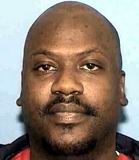
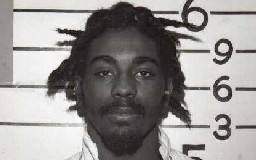
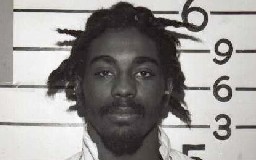
| Legal Identity | Larry Hicks |
| Confirmed Victims | 0 |
| Attributed / Indicted Victims | 2 |
| Active Timeline | 1978 |
| Jurisdiction / Area of Operations | Indiana, United States |
| Criminological Classification | Wrongful conviction |
| Forensic Modus Operandi | N/A (Innocent) |
| Weapon / Mechanism of Death | N/A |
| Motive / Behavioral Dynamics | N/A |
| Judicial Outcome | Acquitted after retrial |
1. Background and Profile
Larry Hicks was a U.S. citizen caught in a catastrophic failure of the Indiana judicial system. Without a history of violent crime, he was targeted in a homicide investigation that resulted in a death sentence, highlighting the dangers of reliance on flawed eyewitness testimony.
2. Crime Spree
In 1978, Hicks was accused of a double murder. The prosecution's case relied heavily on eyewitness accounts. Despite the lack of physical evidence linking him to the crime scene, the judicial process moved forward to a conviction.
3. Investigation and Arrest
While on death row, Hicks was assisted by a volunteer attorney who challenged the integrity of the original trial. The Playboy Foundation provided funding for a reinvestigation. Hicks passed multiple polygraph tests, which provided the impetus for a deeper look into the evidence.
4. Legal Proceedings and Outcome
Convicted in 1978, Hicks faced execution. Two weeks before the scheduled date, a stay was granted. During the retrial, it was proven that the eyewitness testimony used to convict him was perjured. His alibi was verified, and the prosecution's case collapsed.
5. Forensic Conclusion
In 1980, Hicks was acquitted of all charges and released. The case remains a significant study in the American legal system regarding the dangers of wrongful convictions based on unreliable testimony.