



Forensic & Criminological Matrix
| Parameter | Forensic Detail |
|---|---|
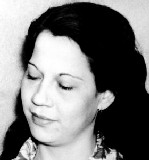
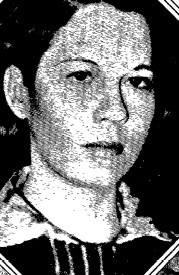
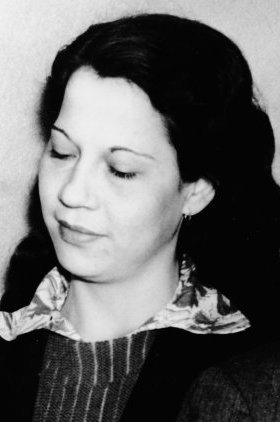
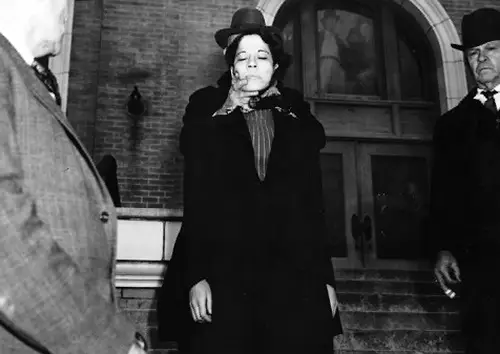
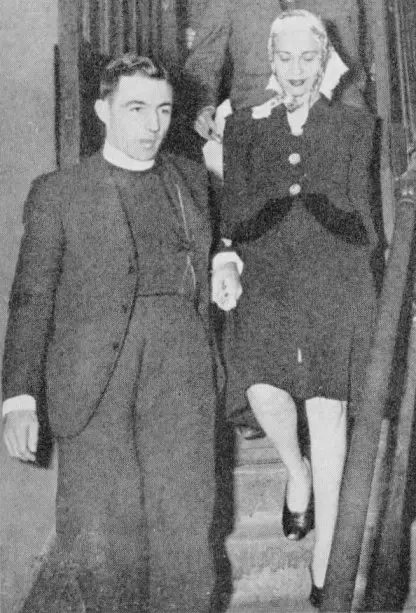
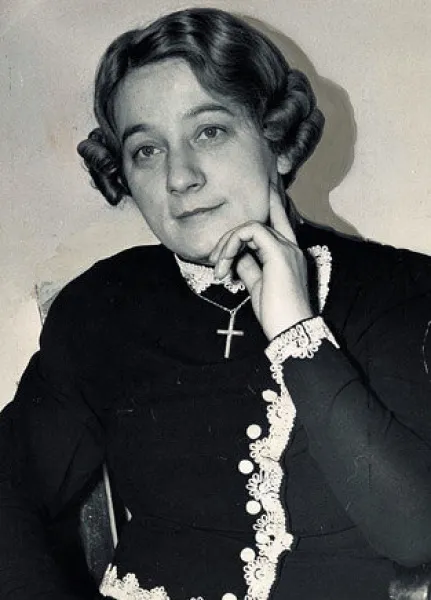
| Forensic Heading / Aliases | Toni Jo Henry, "The Tigress" |
| Legal Identity | Toni Jo Henry |
| Confirmed Victims | 1 (Mr. Joseph Calloway) |
| Active Timeline | 1942 |
| Jurisdiction / Area of Operations | Louisiana, United States |
| Criminological Classification | Passion-motivated offender / Criminal accomplice-driven homicide |
| Forensic Modus Operandi | Deceptive approach of a civilian driver, abduction, and fatal shooting for vehicular hijacking and fugitive escape |
| Weapon / Mechanism of Death | Firearm / Ballistic execution |
| Motive / Behavioral Dynamics | Extreme emotional obsession and total psychological subordination to her criminal partner ("Cowboy" Henry) |
| Judicial Outcome | Sentenced to death; executed via electrocution in 1942 (the only woman ever executed by this method in Louisiana) |
1. Background and Psychopathy
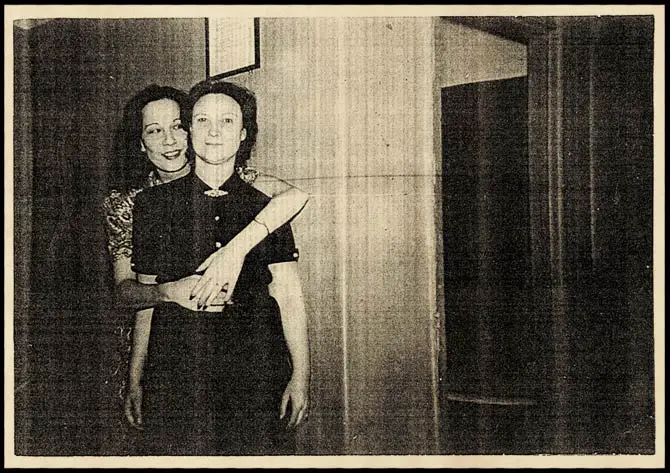
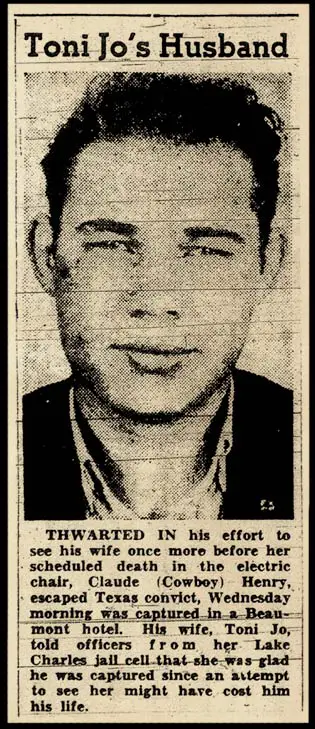
Toni Jo Henry was born in 1916 into an unstable environment characterized by socioeconomic hardship. Her early life fostered a vulnerability to abusive or dominant male attachments. This trajectory culminated in her intense romantic involvement with Claude "Cowboy" Henry, a petty criminal whose incarceration triggered an obsessive campaign by Toni Jo to secure his freedom regardless of the consequences.
2. Crime Spree
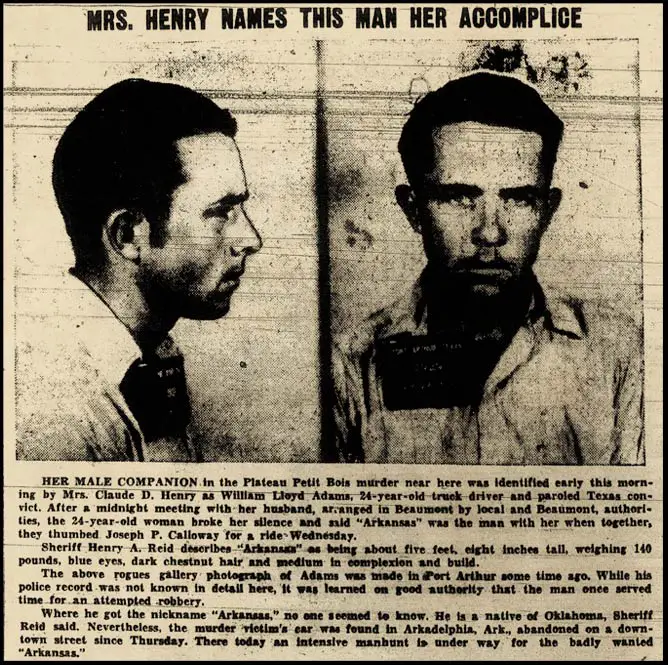
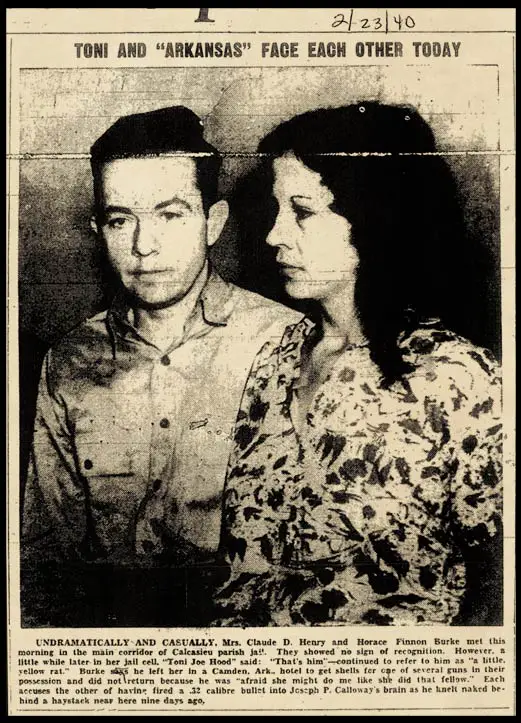
In 1942, driven by the imperative to break her partner out of custody, Toni Jo orchestrated a plan requiring transportation and funds. Alongside an accomplice, she targeted an innocent motorist, Joseph Calloway, under the guise of requesting a ride. Calloway was subsequently driven to a remote location and shot dead. The modus operandi exhibited impulsive planning and a distinct absence of sophisticated evidentiary concealment.
3. Investigation and Forensic Pursuit
The investigation into Calloway's disappearance quickly converged on Toni Jo. Rather than attempting a sophisticated cover-up or disposing of crucial evidence—such as the murder weapon—she exhibited erratic cooperation with law enforcement upon apprehension, readily confessing and aiding authorities in locating the victim's remains.
4. Legal Proceedings and Outcome
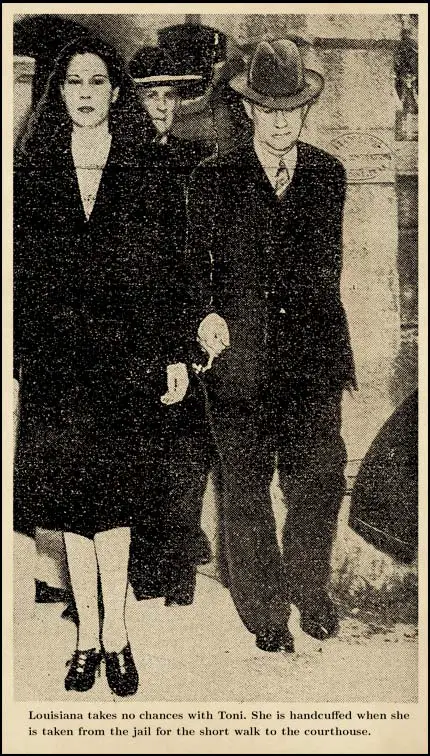
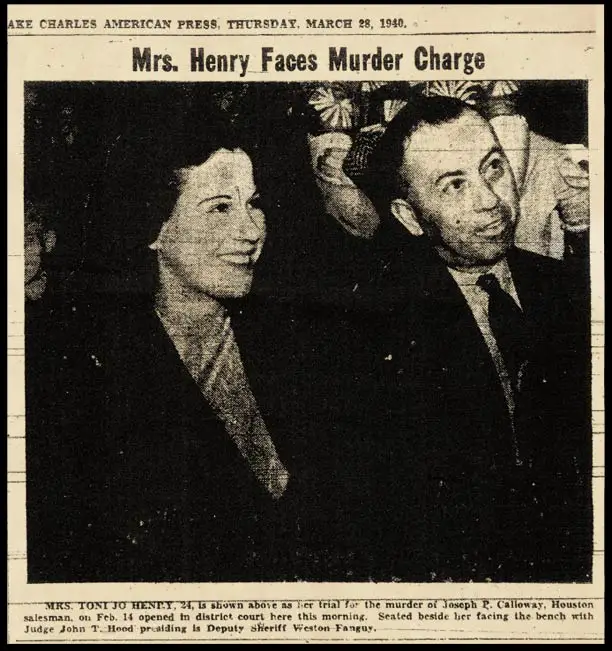
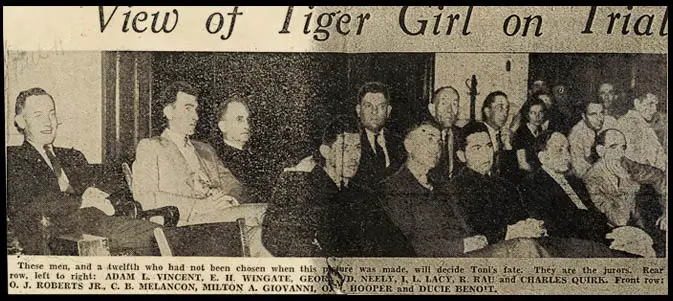
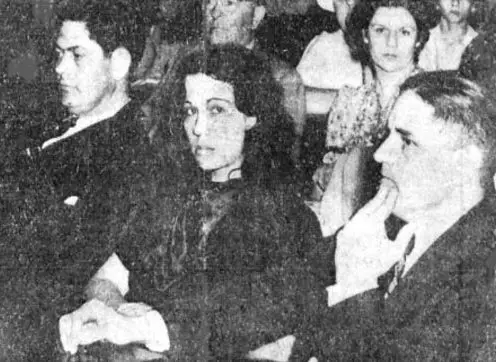
Henry's trial generated widespread public interest, framed by her striking appearance and the singular motive of obsessive devotion. Defense arguments focused on her psychological dependency and emotional manipulation by "Cowboy" Henry. Despite these pleas, the overwhelming physical evidence and the capital nature of the abduction-murder resulted in a guilty verdict and a death sentence.
5. Psychiatric Evaluation and Final Outcome
Forensic evaluations underscored a severe dependent personality disorder characterized by blind loyalty that completely eclipsed self-preservation instincts. Toni Jo Henry secured a unique and grim place in American legal history by becoming the first and only woman executed in the electric chair in the state of Louisiana, on November 28, 1942.