Forensic & Criminological Matrix
| Parameter | Forensic Detail |
|---|---|
| Forensic Heading / Aliases | N/A |
| Legal Identity | John Ruthell Henry |
| Confirmed Victims | 3 |
| Attributed / Indicted Victims | 3 |
| Active Timeline | 1975 - 1985 |
| Jurisdiction / Area of Operations | Florida, United States |
| Criminological Classification | Serial Killer (Domestic/Spousal) |
| Forensic Modus Operandi | Homicide via bladed weapon in domestic settings |
| Weapon / Mechanism of Death | Knife |
| Motive / Behavioral Dynamics | Domestic violence, psychopathy |
| Judicial Outcome | Execution by lethal injection |
1. Background and Profile
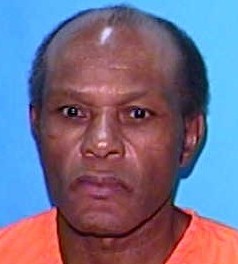
John Ruthell Henry (1951–2014) was an American serial killer whose criminal career was defined by lethal domestic violence. His pattern of behavior demonstrated a clear escalation, moving from the murder of his first wife to the subsequent killing of his second wife and young stepson after his release from prison.
2. Criminal Career and Modus Operandi
Henry's first homicide occurred in 1975. After serving time and being paroled, he committed a double murder in 1985. He killed his second wife, Suzanne Henry, and her 5-year-old son, Eugene Christian. The use of knives in these attacks points to a violent, intimate-partner-focused MO.
3. Investigation and Arrest
Law enforcement agencies in Florida quickly identified Henry as the primary suspect in the 1985 murders. Given his prior conviction for murder, the investigation focused on linking the forensic evidence from the crime scene to his known behavioral patterns.
4. Legal Proceedings and Outcome
Henry faced three separate trials for his crimes. He was sentenced to death in each instance. The legal process involved extensive appeals regarding his mental state and the constitutionality of his death sentence, which were ultimately rejected by the Florida courts.
5. Forensic Psychiatric Evaluation and Final Outcome
John Ruthell Henry was executed by lethal injection at the Florida State Prison on December 11, 2014. Before his death, he expressed remorse, stating, "I can't undo what I've done. If I could, I would."