



Forensic & Criminological Matrix
| Parameter | Forensic Detail |
|---|---|
| Forensic Heading / Aliases | George Jo Hennard |
| Legal Identity | George Pierre Hennard |
| Confirmed Victims | 23 |
| Attributed / Indicted Victims | 23 |
| Active Timeline | October 16, 1991 |
| Jurisdiction / Area of Operations | Killeen, Texas, United States |
| Criminological Classification | Mass Murderer |
| Forensic Modus Operandi | Vehicular incursion followed by indiscriminate shooting |
| Weapon / Mechanism of Death | Glock 17 and Ruger P89 pistols |
| Motive / Behavioral Dynamics | Misogyny, social resentment, and psychotic instability |
| Judicial Outcome | Perpetrator suicide at the crime scene |
1. Background and Profile
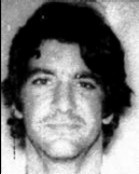
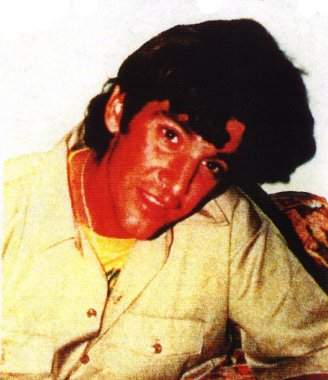
George Pierre Hennard was born in 1956. The son of an army surgeon, his life was characterized by increasing emotional instability. Following his parents' divorce, Hennard developed deep-seated resentment, particularly toward women, whom he blamed for his personal and professional failures. His psychological profile, while not formally diagnosed prior to the crime, exhibited traits of paranoia and extreme misogynistic hostility.
2. Crime Spree
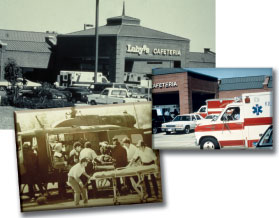
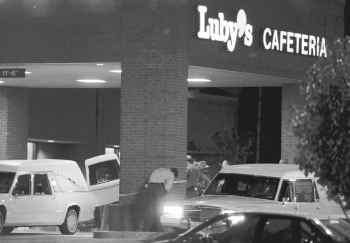
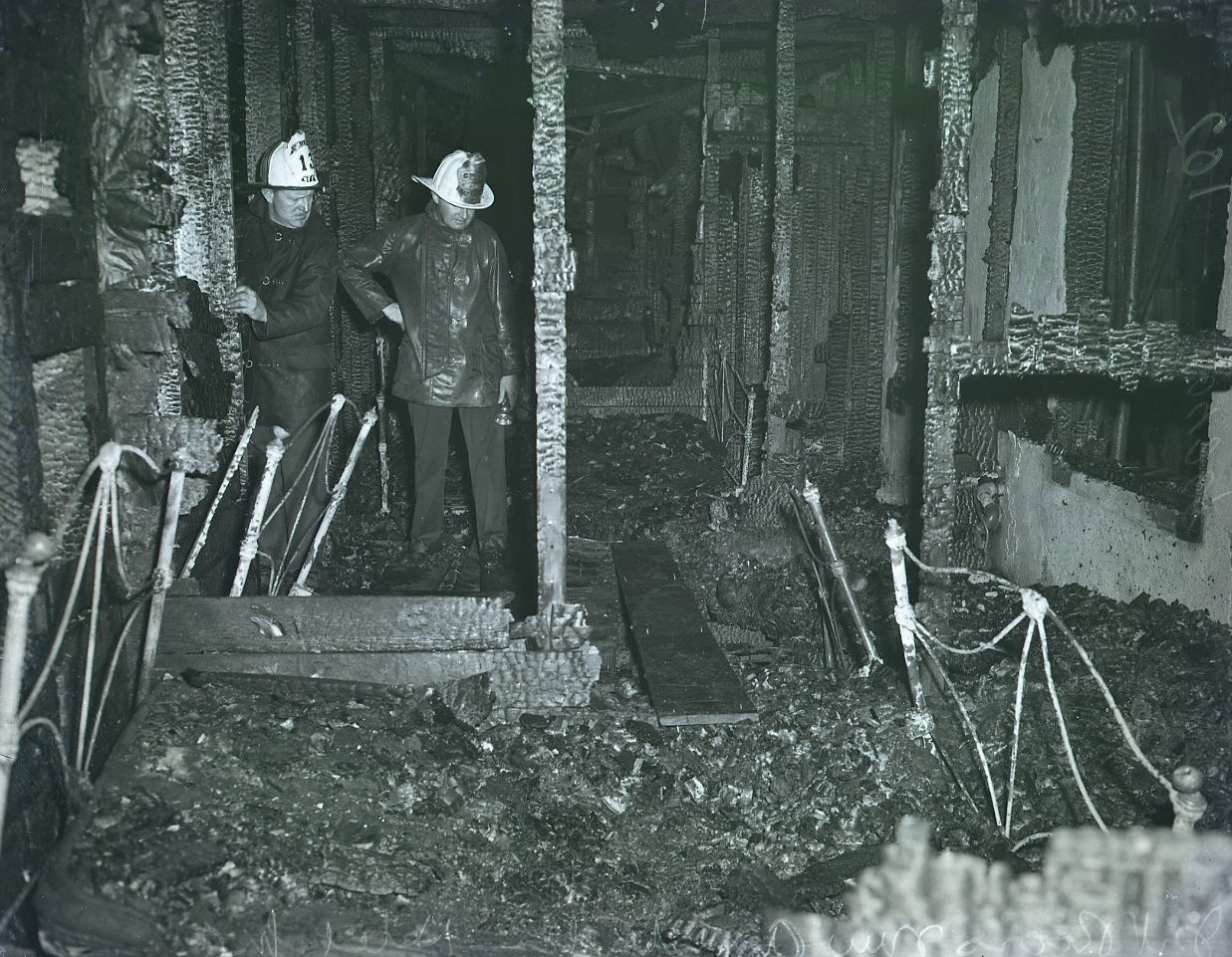
On October 16, 1991, Hennard drove his 1987 Ford Ranger pickup truck through the front window of the Luby's Cafeteria in Killeen, Texas. Upon impact, he exited the vehicle and began systematically firing at patrons and staff with a Glock 17 and a Ruger P89. The attack lasted approximately 15 minutes, resulting in 23 fatalities and 27 injuries.
3. Investigation and Arrest
Police response was immediate. Hennard engaged in a shootout with officers inside the premises. After being wounded, he refused to surrender and committed suicide by shooting himself in the head, ending the deadliest mass shooting in U.S. history until 2007.
4. Legal Proceedings and Outcome
As the perpetrator died at the scene, no criminal trial took place. However, the case triggered historic legislative reform in Texas in 1995, allowing for concealed carry of firearms, championed by survivors such as Suzanna Gratia Hupp.
5. Psychiatric Evaluation and Conclusion
Post-mortem analysis suggests antisocial personality disorder with psychotic components. The Luby's location permanently closed in 2000 due to the community's persistent trauma.