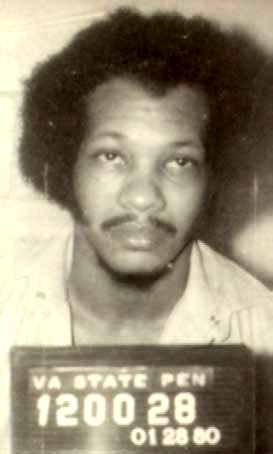
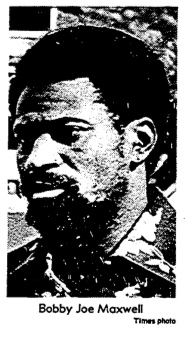
Forensic & Criminological Matrix
| Parameter | Forensic Detail |
|---|---|
| Forensic Heading / Aliases | None |
| Legal Identity | Robert Dale Henderson |
| Confirmed Victims | 12 |
| Attributed / Indicted Victims | 12 |
| Active Timeline | 1982 |
| Jurisdiction / Area of Operations | Florida, United States |
| Criminological Classification | Serial Killer / Spree Killer |
| Forensic Modus Operandi | Concentrated spree of firearm-related homicides |
| Weapon / Mechanism of Death | Firearm |
| Motive / Behavioral Dynamics | Unknown / Antisocial Personality Disorder |
| Judicial Outcome | Executed in 1993 |
1. Background and Profile
Robert Dale Henderson was an American criminal whose spree of violence occurred over a three-week period in 1982. He is classified as a spree killer, defined by a rapid succession of lethal acts without a cooling-off period.
2. Crime Spree
Over the course of three weeks, Henderson murdered 12 individuals. His modus operandi was characterized by impulsive, lethal violence, primarily utilizing firearms to execute his victims across various locations in Florida.
3. Investigation and Arrest
The investigation was significantly aided by Henderson's own admission of involvement after contacting the police. Law enforcement agencies were tasked with linking the multiple crime scenes to a single perpetrator, a process that formed the basis of the state's prosecution.
4. Legal Proceedings and Outcome
The case reached the U.S. Supreme Court (Robert Dale Henderson v. Florida, 1985). The legal proceedings were notable for the defense's argument regarding the violation of the 'bright-line rule' established in Miranda v. Arizona, claiming that police continued questioning after Henderson had requested counsel.
5. Psychiatric Evaluation and Final Disposition
Despite multiple appeals and petitions for extraordinary relief, the courts upheld his conviction. Henderson was executed in 1993, marking the end of a case that remains a significant reference in American constitutional law regarding custodial interrogation rights.