Forensic & Criminological Matrix
| Parameter | Forensic Detail |
|---|---|
| Forensic Heading / Aliases | None |
| Legal Identity | Earl Carl Heiselbetz Jr. |
| Confirmed Victims | 2 |
| Attributed / Indicted Victims | 2 |
| Active Timeline | May 30, 1991 |
| Jurisdiction / Area of Operations | Pineland, Texas, USA |
| Criminological Classification | Violent offender / Loner |
| Forensic Modus Operandi | Strangulation and body concealment |
| Weapon / Mechanism of Death | Manual strangulation |
| Motive / Behavioral Dynamics | Neighborhood dispute / Antisocial behavior |
| Judicial Outcome | Death penalty (Executed) |
1. Background and Profile
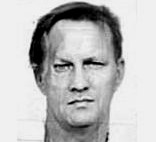
Earl Carl Heiselbetz Jr. was a man with a documented history of violence and antisocial behavior. Living in a secluded area near the Sabine National Forest, he was known for his volatile temper. Court testimonies highlighted his history of threatening others with weapons and committing domestic abuse against his former spouse and children.
2. Criminal Career and Modus Operandi
On May 30, 1991, Heiselbetz murdered his neighbor, Rena Rogers, and her two-year-old daughter, Jacy. He transported their bodies to a barn in Tyler County. Forensic evidence, specifically the 'pink tooth' condition found in the mother's remains, pointed to death by asphyxiation. Heiselbetz's attempt to claim self-defense was refuted by forensic analysis of his clothing and the physical disparity between him and the victim.
3. Investigation and Arrest
The investigation was triggered by the victims' disappearance. Heiselbetz became a primary suspect due to his proximity and inconsistent statements. He eventually confessed to the crimes and assisted police in recovering evidence, including the victim's purse from a pond.
4. Legal Proceedings and Outcome
Heiselbetz was indicted for capital murder. He was found guilty on November 18, 1991. His appeals were exhausted through the Texas Court of Criminal Appeals and the federal court system, which denied all relief.
5. Psychiatric Evaluation and Final Disposition
Psychiatric experts testified that his claims of amnesia due to a 1975 head injury were not credible. Heiselbetz was executed by lethal injection on January 12, 2000, in Huntsville, Texas.