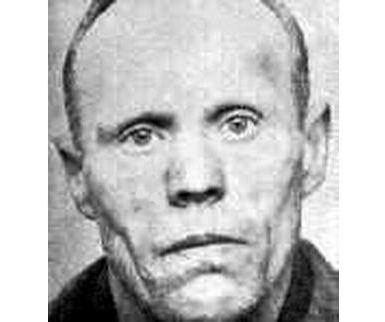
Forensic & Criminological Matrix
| Parameter | Forensic Detail |
|---|---|
| Forensic Heading / Aliases | None |
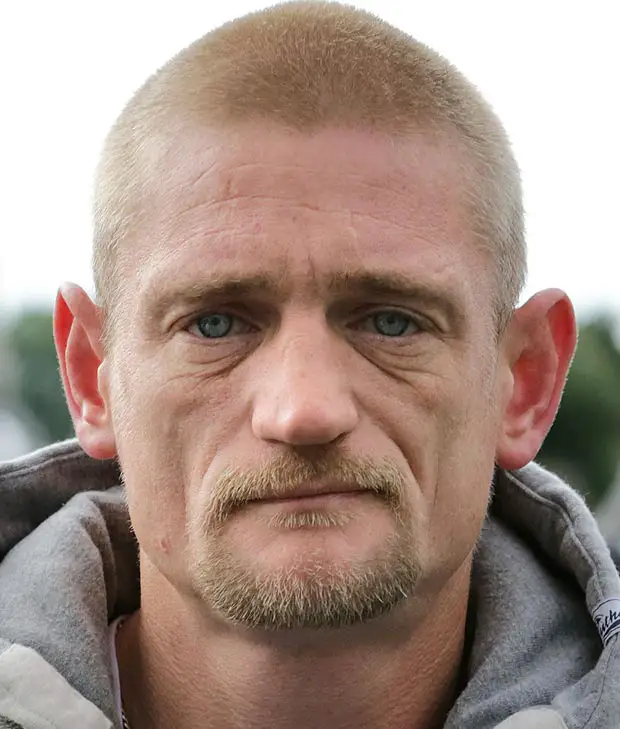
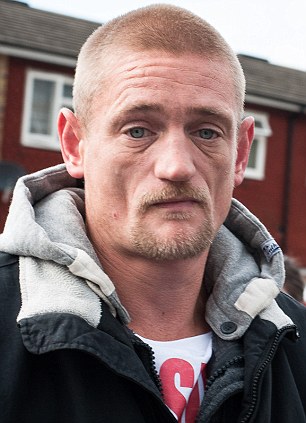
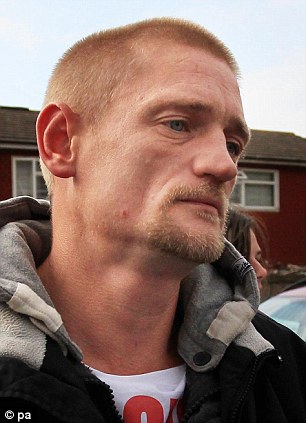
| Legal Identity | Stuart Edward Hazell |
| Confirmed Victims | 1 |
| Attributed / Indicted Victims | 1 |
| Active Timeline | August 2012 |
| Jurisdiction / Area of Operations | New Addington, London, UK |
| Criminological Classification | Domestic Homicide / Sexual Predator |
| Forensic Modus Operandi | Strangulation and body concealment |
| Weapon / Mechanism of Death | Manual strangulation |
| Motive / Behavioral Dynamics | Undetermined / Impulsivity |
| Judicial Outcome | Life imprisonment (38-year minimum) |
1. Background and Profile
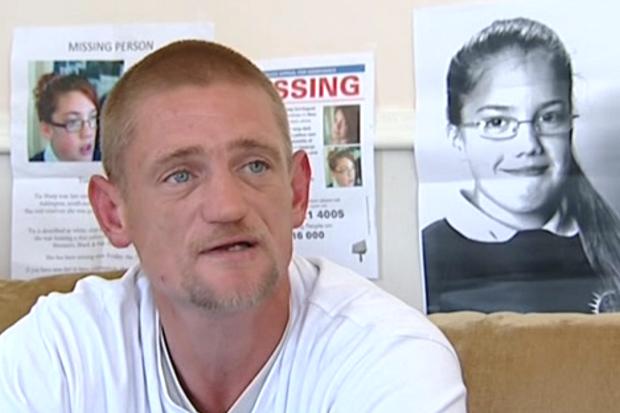
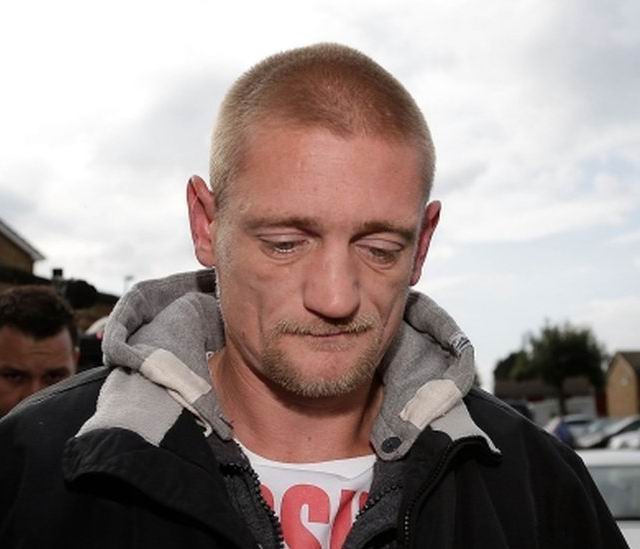
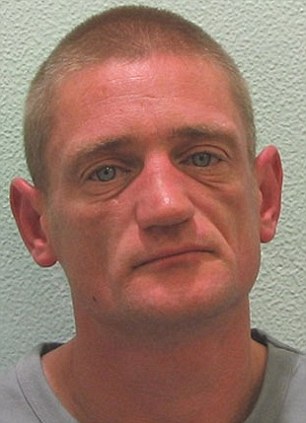
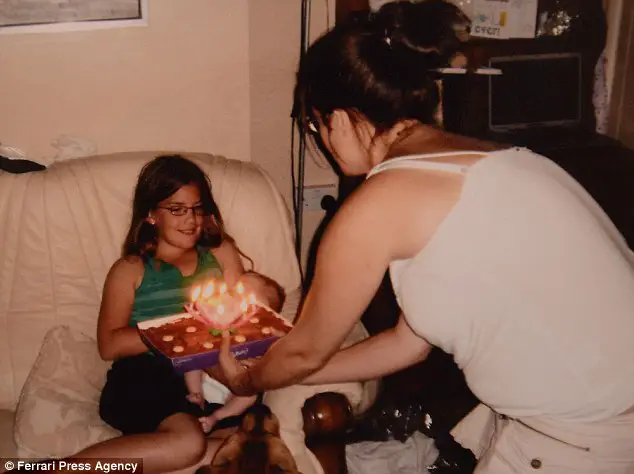
Stuart Edward Hazell (born 1975) was a man with a history of personal instability. At the time of the crime, he was in a relationship with Christine Bicknell, the grandmother of the victim, Tia Sharp. The domestic environment in New Addington became the site of a high-profile murder that shocked the United Kingdom due to the betrayal of trust involved.
2. Crime Spree
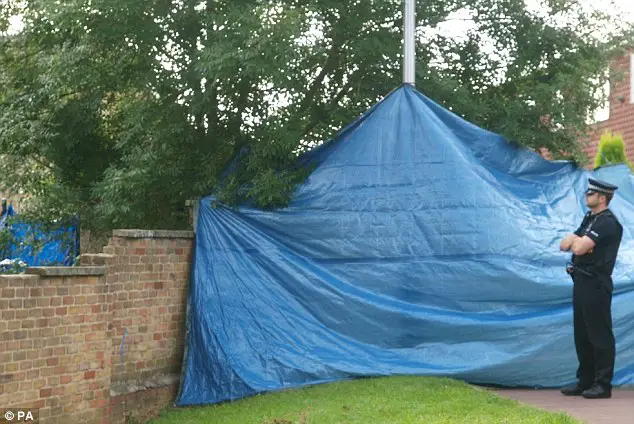
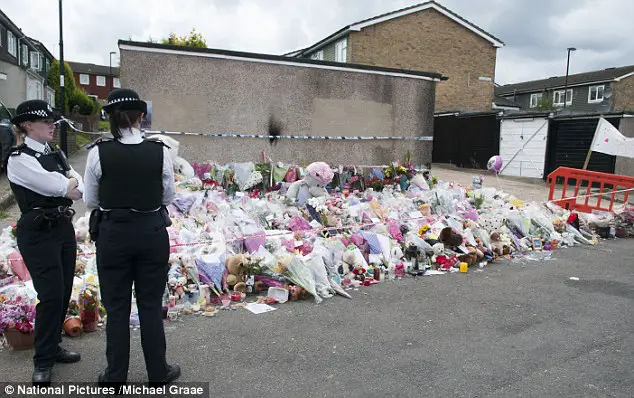
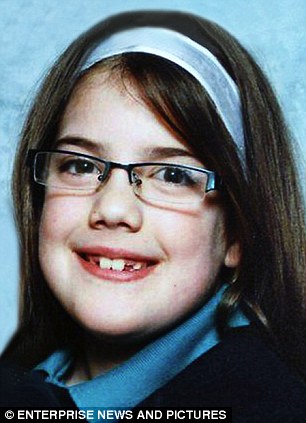
In August 2012, 12-year-old Tia Sharp went missing from her grandmother's home. Following a massive police search, her body was discovered in the attic of the house. Forensic evidence confirmed that Hazell had strangled the girl and concealed her body in the attic, remaining in the house for several days while participating in the search efforts.
3. Investigation and Arrest
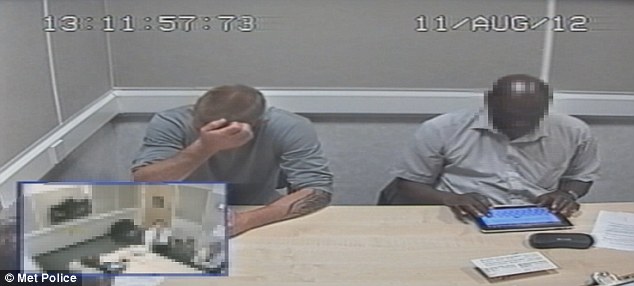
The Metropolitan Police launched an extensive search operation. Discrepancies in Hazell's statements and forensic evidence found in the attic led to his arrest. His behavior during the investigation was characterized by a lack of remorse and manipulative tactics.
4. Legal Proceedings and Outcome
Hazell was charged on August 12, 2012. He was found guilty of the murder of Tia Sharp and sentenced to life imprisonment with a minimum term of 38 years. The court emphasized the heinous nature of the crime committed against a minor who was under his care.
5. Psychiatric Evaluation and Conclusion
While specific psychiatric reports were not disclosed, Hazell's conduct throughout the trial—including his initial denial and eventual confession—points to a personality profile marked by manipulation and a profound lack of empathy. He remains incarcerated in a high-security facility.