Forensic & Criminological Matrix
| Parameter | Forensic Detail |
|---|---|
| Forensic Heading / Aliases | None |
| Legal Identity | Herbert Hiram Hayden |
| Confirmed Victims | 1 |
| Attributed / Indicted Victims | 1 |
| Active Timeline | 1878 |
| Jurisdiction / Area of Operations | Madison, Connecticut, USA |
| Criminological Classification | Homicide for concealment |
| Forensic Modus Operandi | Abuse of religious authority for deception and lethal violence |
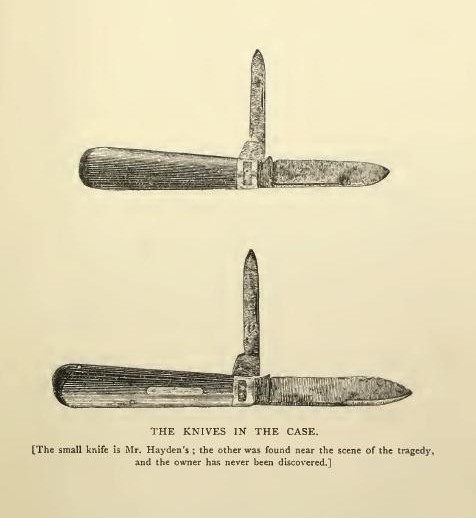
| Weapon / Mechanism of Death | Sharp force / Blunt force |
| Motive / Behavioral Dynamics | Preservation of social reputation |
| Judicial Outcome | Convicted of murder |
1. Background and Profile
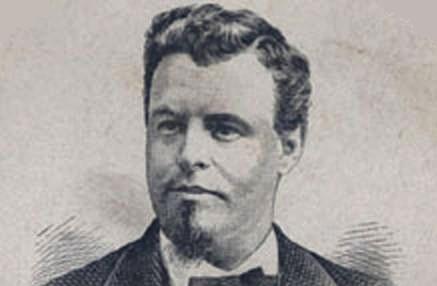
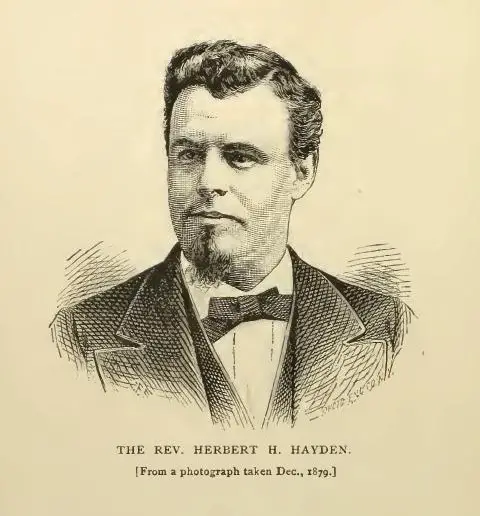
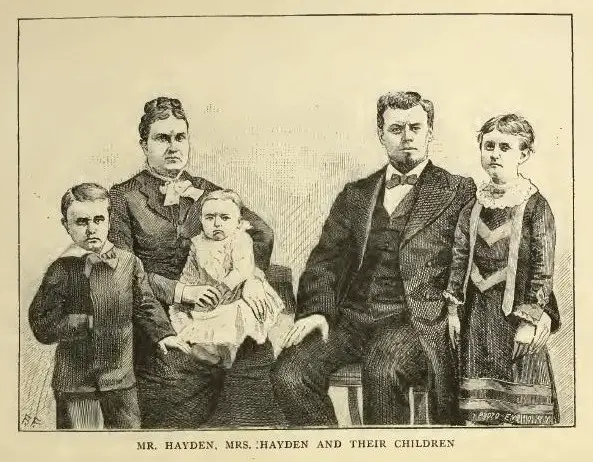
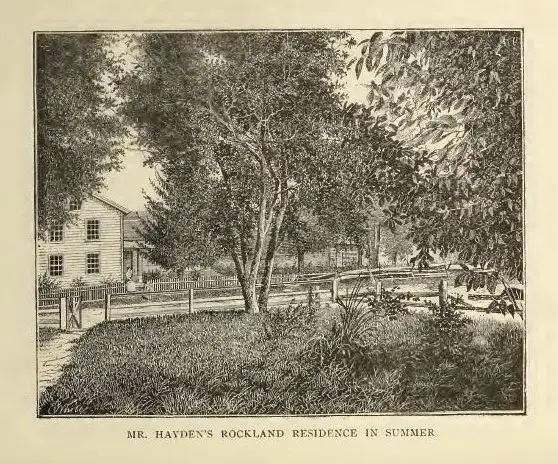
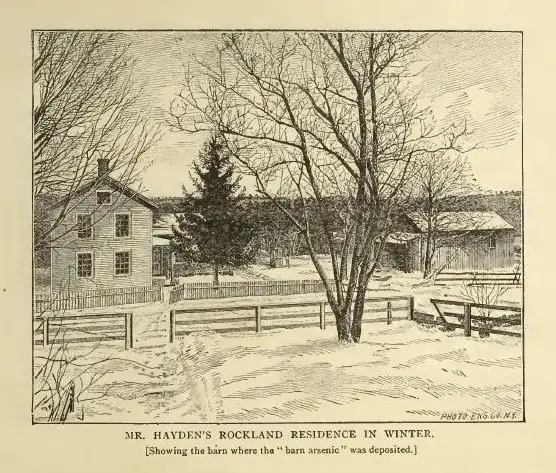
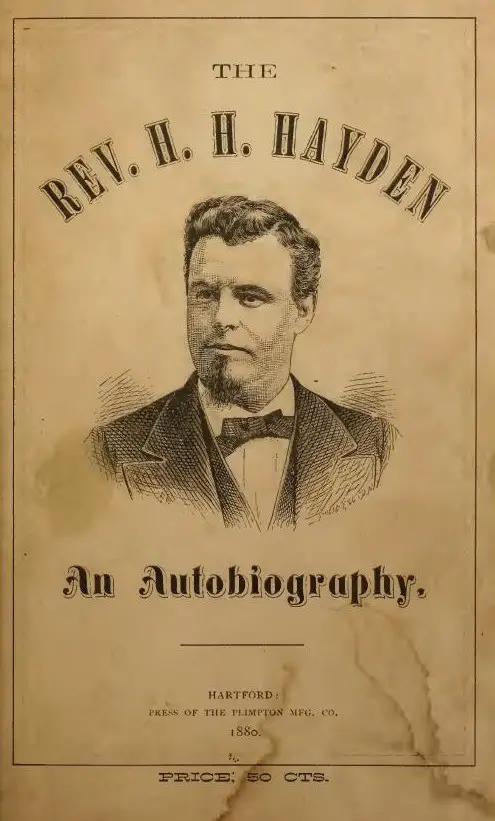
Reverend Herbert Hiram Hayden was a respected Methodist minister in Madison, Connecticut. His position provided him with significant community influence, which he used to maintain a facade of moral righteousness while concealing personal conflicts that threatened his standing.
2. Crime Spree
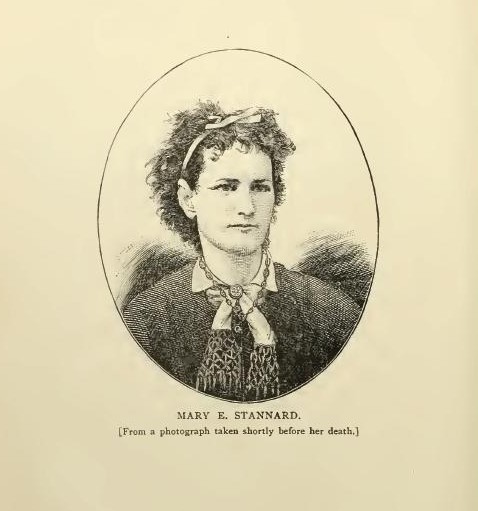
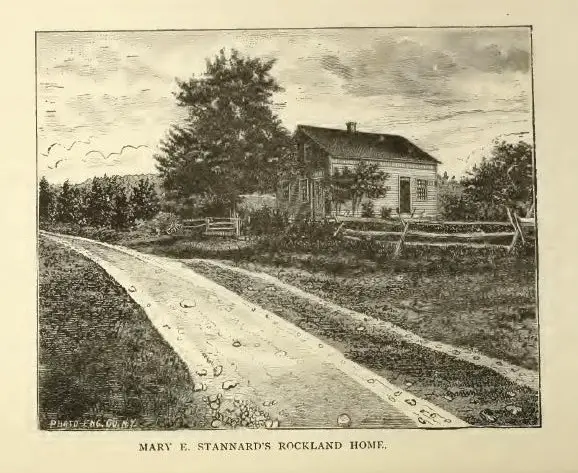
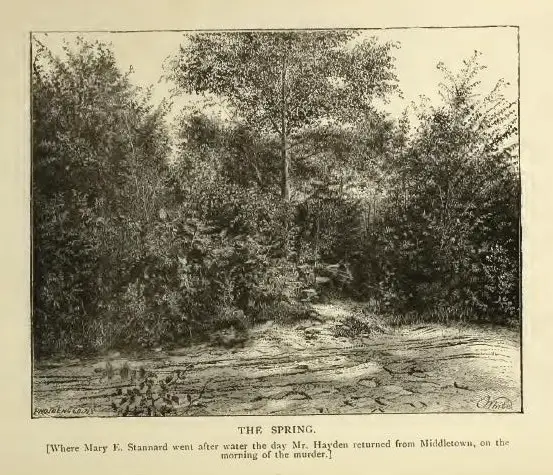
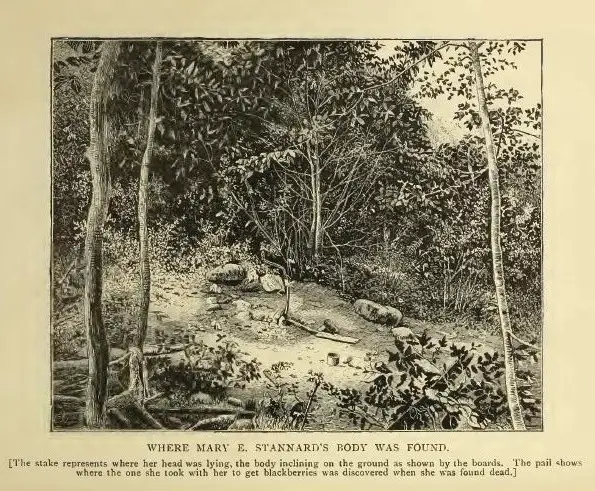
In 1878, Hayden became embroiled in a scandal involving Mary Stannard. To prevent public exposure, the reverend orchestrated a meeting with the young woman. The crime was executed with cold calculation, utilizing his position of trust to lure the victim to a secluded location where she was murdered.
3. Investigation and Arrest
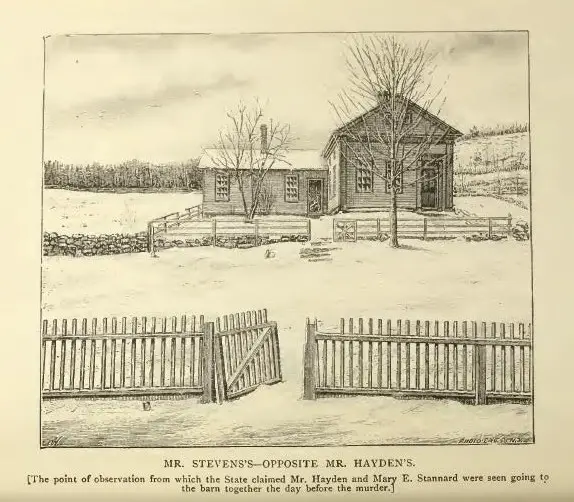
The disappearance and subsequent discovery of Mary Stannard's body triggered an extensive investigation. Circumstantial evidence and testimonies regarding the relationship between the reverend and the victim were instrumental in focusing suspicion on Hayden.
4. Legal Proceedings and Outcome
The case garnered massive media attention at the time. Hayden underwent a rigorous trial where documentary and testimonial evidence were presented, contradicting his alibi. Despite his defense efforts, he was found guilty.
5. Psychiatric Assessment and Aftermath
The Hayden case serves as a study on the dissonance between public image and private conduct. The reverend passed away in 1907, leaving behind a legacy of controversy regarding the integrity of authority figures in 19th-century society.