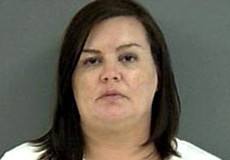





Forensic & Criminological Matrix
| Parameter | Forensic Detail |
|---|---|
| Forensic Heading / Aliases | Melissa Haskell |
| Legal Identity | Melissa Haskell |
| Confirmed Victims | 1 (Ryan Baurley, 5 months old) |
| Active Timeline | August 1992 |
| Jurisdiction / Area of Operations | King of Prussia / Pottstown, Pennsylvania, USA |
| Criminological Classification | Child caregiver homicide / Filicide-surrogate offender |
| Forensic Modus Operandi | Application of blunt force trauma or asphyxiation upon an infant under direct custody, resulting in fatal internal injuries. |
| Weapon / Mechanism of Death | Direct physical force / Blunt trauma / Suffocation |
| Motive / Behavioral Dynamics | Loss of impulse control or caregiver stress response |
| Judicial Outcome | Convicted of third-degree murder in October 2012; sentenced to 10 to 20 years in state prison. |
1. Background and Psychopathy
Melissa Haskell operated as a suburban nanny in the greater Philadelphia area during the early 1990s. Prior to the incident, her profile lacked any formal indicators of violent criminal behavior, presenting as a standard young caregiver within the community.
2. Crime Spree
In August 1992, Haskell was babysitting 5-month-old Ryan Baurley at a residential home in King of Prussia, Pennsylvania. During this period, the infant sustained severe, fatal injuries. The forensic analysis indicated that excessive, targeted physical force was applied to a completely vulnerable subject, destroying the infant's vital functions.
3. Investigation and Forensic Pursuit
Despite initial medical suspicions surrounding the infant's death, the case languished for nearly twenty years. Through cold-case reviews and refined forensic pathology evaluations, Montgomery County investigators revived the inquiry, successfully gathering the necessary evidence to bring formal charges against Haskell two decades after the event.
4. Legal Proceedings and Outcome
In June 2012, a Montgomery County jury found Haskell guilty of third-degree murder. Throughout the trial, she contested the charges and famously refused lesser manslaughter considerations. On October 24, 2012, she was sentenced in Norristown, Pennsylvania, to a term of 10 to 20 years in state prison, visibly maintaining her denial.
5. Psychiatric Assessment and Conclusion
Haskell's defense relied on steadfast denials and assertions of affection toward the child. However, the weight of the forensic evidence and the jury's verdict prevailed. Her incarceration in late 2012 finalized a long-standing cold case, ensuring accountability for crimes committed within domestic care settings.