Forensic & Criminological Matrix
| Parameter | Forensic Detail |
|---|---|
| Forensic Heading / Aliases | None |
| Legal Identity | Gerald Francis Harvey |
| Confirmed Victims | 1 |
| Attributed / Indicted Victims | 1 |
| Active Timeline | 1988 |
| Jurisdiction / Area of Operations | Los Angeles, California |
| Criminological Classification | Murder-suicide (Intimate partner homicide) |
| Forensic Modus Operandi | Firearm usage in a domestic setting |
| Weapon / Mechanism of Death | Pistol |
| Motive / Behavioral Dynamics | Emotional crisis and history of family trauma |
| Judicial Outcome | Case closed due to perpetrator's death |
1. Background and Profile
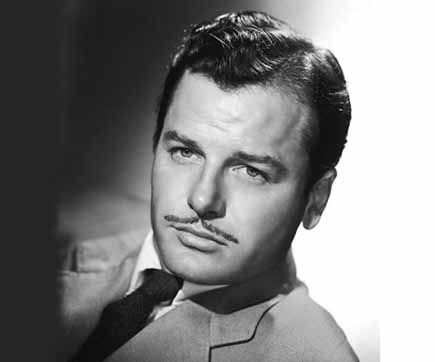
Gerald Francis Harvey (1949–1988) was a highly influential figure in the Los Angeles film community, best known for his work as the programming director for Z Channel. A UCLA graduate, he was instrumental in popularizing the "director's cut" format. Despite his professional success, Harvey suffered from significant personal trauma, specifically the suicides of his two sisters, Mary and Ann, in 1975 and 1978. These losses deeply affected his mental health and personal relationships.
2. Crime Spree
On April 9, 1988, the cycle of tragedy culminated when Harvey shot and killed his wife, Deri Rudulph, with a pistol. Immediately following the act, Harvey committed suicide at the scene.
3. Investigation and Arrest
Law enforcement responded to the scene of the domestic homicide. Forensic evidence confirmed that Harvey was the sole perpetrator of the murder and that he subsequently took his own life, precluding any criminal trial.
4. Legal Proceedings and Outcome
Due to the death of the perpetrator, no criminal prosecution took place. The case was officially closed by California authorities following the completion of the forensic investigation.
5. Psychiatric Assessment and Conclusion
Harvey's actions are viewed through the lens of severe psychological distress, likely linked to the traumatic history of his family. His professional contributions to cinema remain documented, while his personal life serves as a tragic case study in untreated emotional trauma.