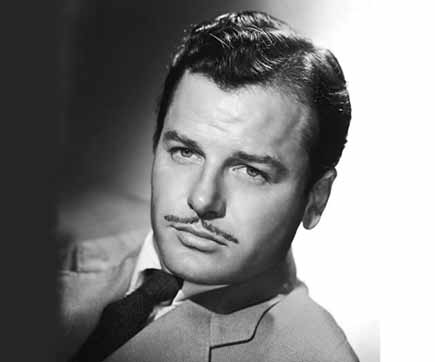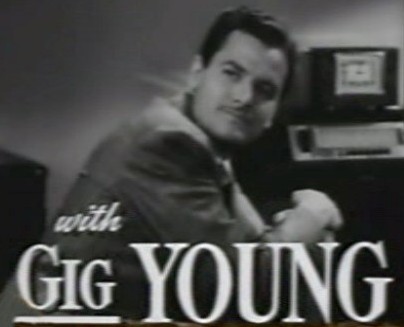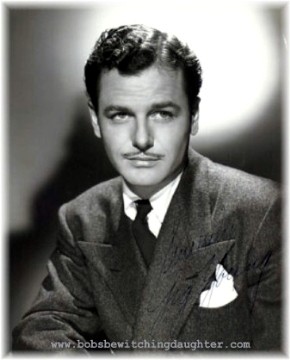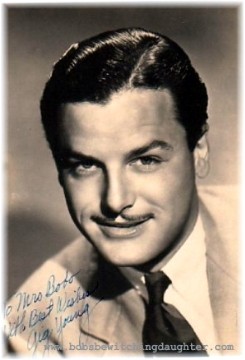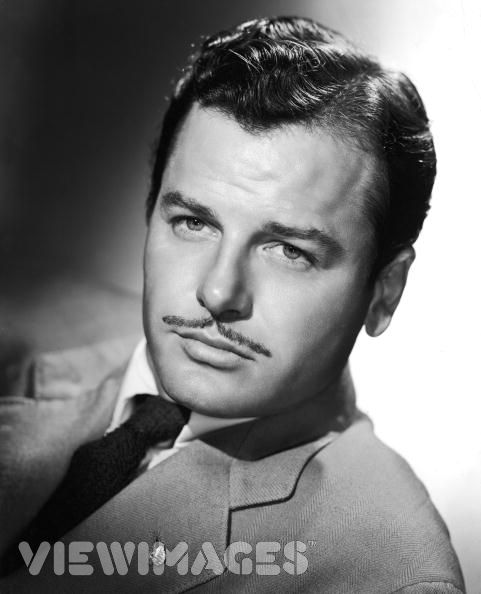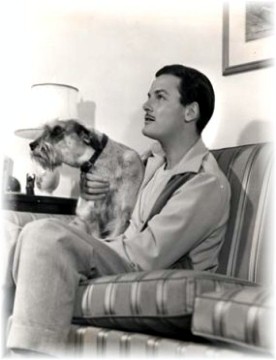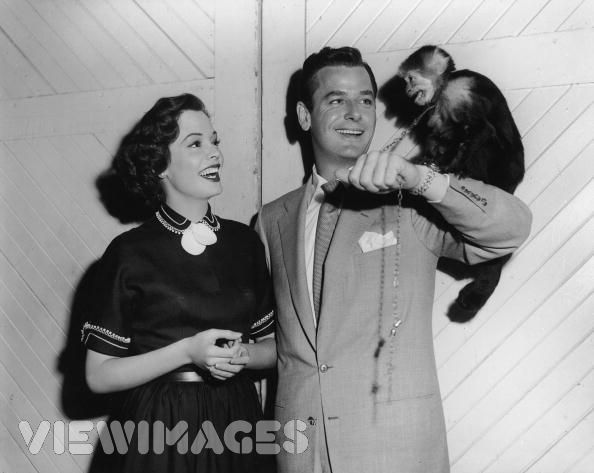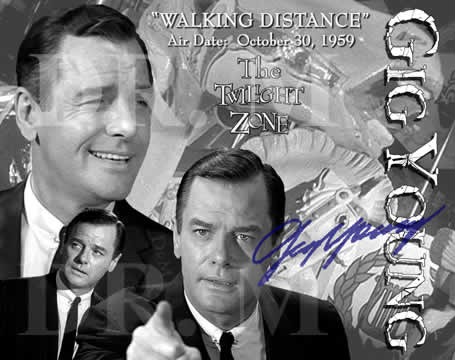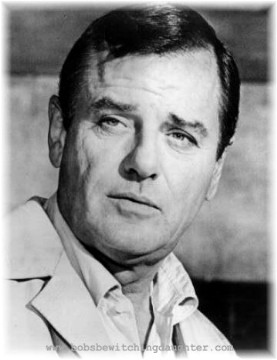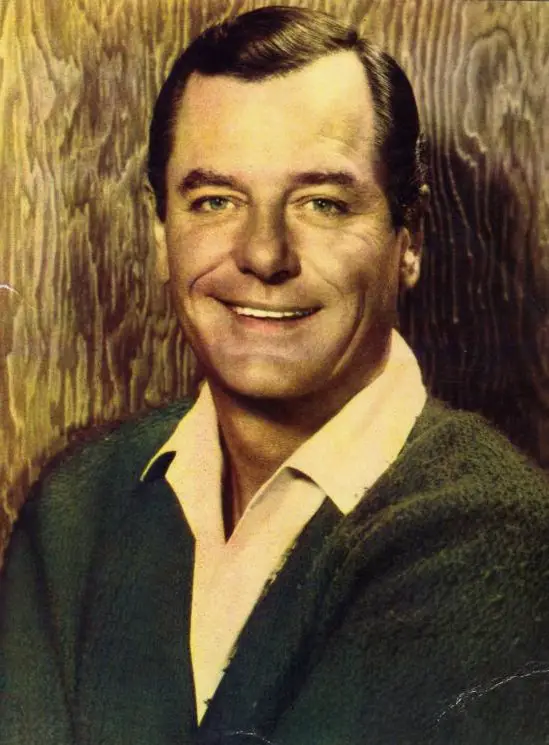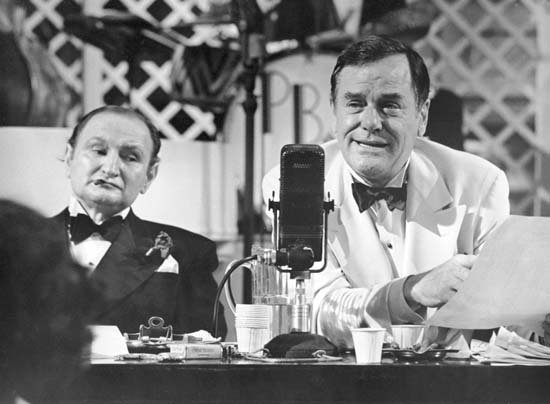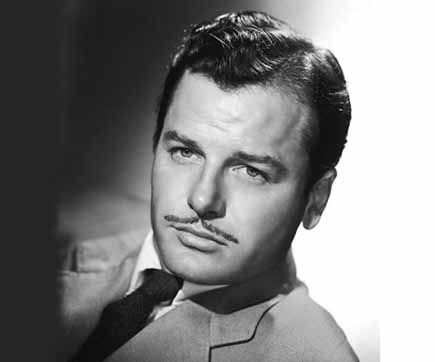





Forensic Profile Datasheet: Gig Young ("The Osborne Murder-Suicide")
| Forensic Parameter | Evaluation Details |
|---|---|
| Full Legal Name | Byron Elsworth Barr (professionally known as Gig Young) |
| Academy Award Standing | Winner of the Academy Award for Best Supporting Actor (1969 for They Shoot Horses, Don't They?) |
| Date & Place of Birth | November 4, 1913 — St. Cloud, Minnesota, United States |
| Date & Place of Death | October 19, 1978 (aged 64) — The Osborne Apartments, Manhattan, New York City |
| Manner of Death | Suicide via self-inflicted gunshot wound to the cranium |
| Criminological Classification | Spousal uxoricide followed by immediate suicide (Murder-Suicide) |
| Fatal Victim | Kim Schmidt (aged 31; German art editor and fifth wife, wed three weeks prior) |
| Date of the Crime | Afternoon of October 19, 1978 |
| Scene of the Crime | Apartment 1-A, The Osborne luxury landmark building, 205 West 57th Street, Manhattan |
| Weapon Deployed | Charter Arms .38 Special five-shot revolver |
| Psychiatric Contributors | Terminal decompensated alcoholism, alcoholic hallucinosis/dementia, and psychotic depression |
Hollywood Stardom and the Downward Spiral
Byron Elsworth Barr, adopting the stage name Gig Young from an early dramatic role, forged a distinguished Hollywood career as a charismatic, witty co-star during the studio era. Elegant and charming on screen, he earned three Academy Award nominations, culminating in his 1969 Oscar win for Best Supporting Actor as the cynical, hollow marathon dance promoter Rocky in Sydney Pollack's They Shoot Horses, Don't They?.
Behind the camera, however, Young was consumed by chronic, severe alcohol addiction. Over three decades, substance abuse destroyed his organ health, depleted his finances, and shattered four prior marriages (including a seven-year union with actress Elizabeth Montgomery).
By the 1970s, his tremors and alcohol-induced memory blackouts made him unemployable: director Mel Brooks had to fire him on the first day of filming Blazing Saddles after Young collapsed in acute alcohol withdrawal on set.
The Marriage to Kim Schmidt (1978)
In early 1978, while filming sequences for Bruce Lee's posthumous Game of Death in Hong Kong, Young met Kim Schmidt, a 31-year-old German art gallery magazine editor thirty-three years his junior.
Drawn to the fading film legend, Schmidt attempted to oversee his sobriety. On September 27, 1978, the couple were married in a quiet civil ceremony in Manhattan, taking up residence in Apartment 1-A of the storied luxury co-op The Osborne, directly across from Carnegie Hall on West 57th Street.
However, domestic tranquility unraveled within days. Young suffered severe alcoholic relapses, entering paranoid jealous rages fueled by terror that his young bride would abandon him once the depth of his physical infirmities and insolvency became apparent.
The Slaying in The Osborne (October 19, 1978)
On the afternoon of October 19, 1978—barely three weeks after the wedding—the building superintendent at The Osborne entered the apartment after neighbors reported smelling gunpowder.
New York City police officers discovered both bodies on the bedroom carpet.
Kim Schmidt lay face down in a pool of blood, dead from a point-blank gunshot wound to the back of her head, showing no signs of defensive struggle.
Gig Young lay nearby, a Charter Arms .38 Special revolver clutched in his right hand, dead from a contact gunshot wound to his right temple. Forensic pathologists certified the deaths as an immediate murder-suicide executed during an acute alcohol-induced psychotic state.
Young's shocking act stunned Hollywood, concluding the tragic decline of one of cinema's celebrated character actors in domestic violence and despair.