



Forensic & Criminological Matrix
| Parameter | Forensic Detail |
|---|---|
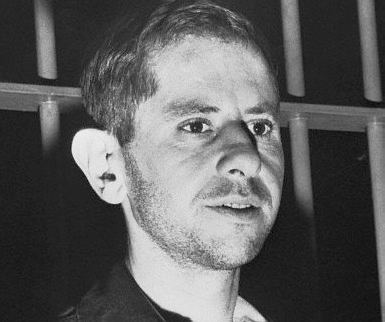
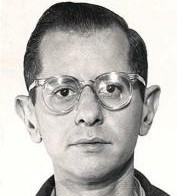
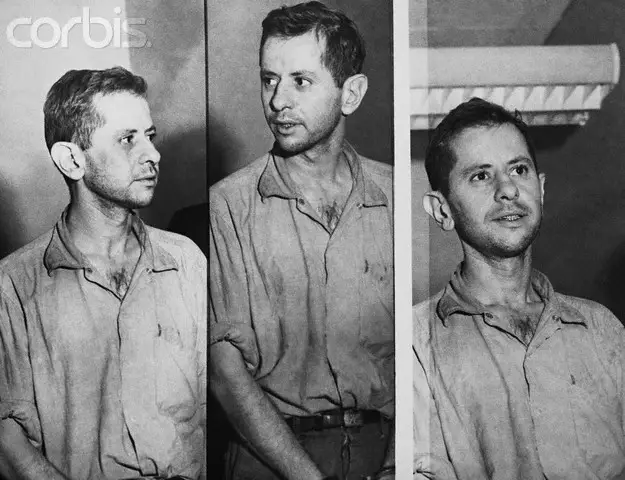
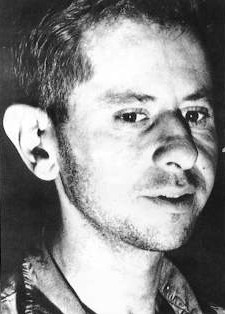
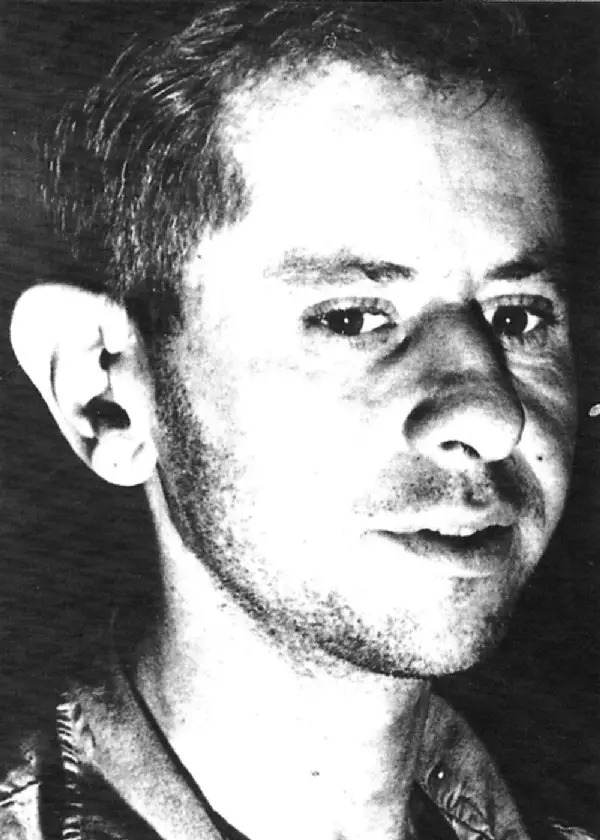
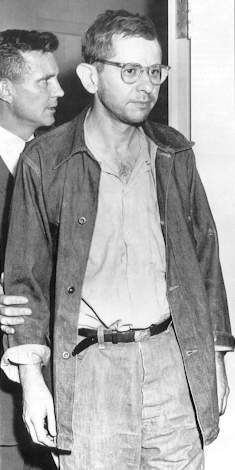
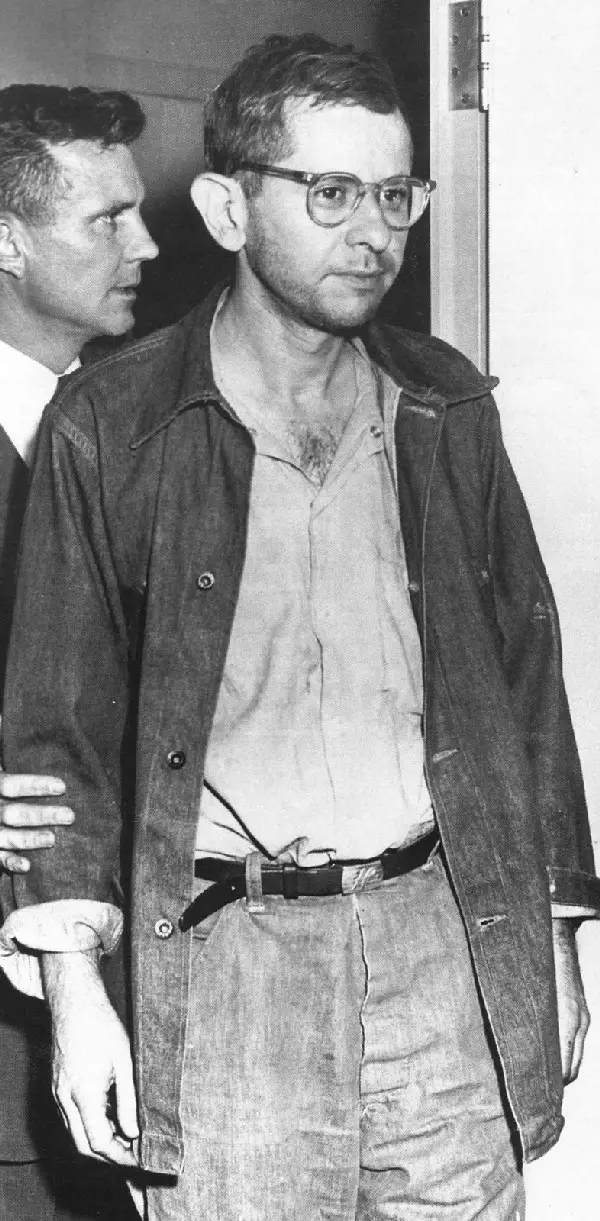
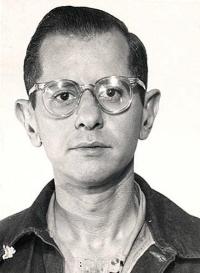
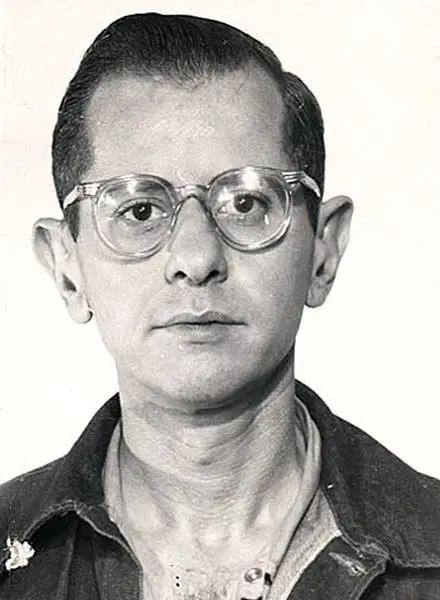
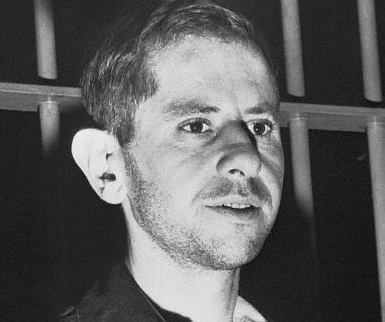
| Full Legal Name | Harvey Murray Glatman |
| Criminal Monikers | The Glamour Girl Slayer, The Lonely Hearts Killer |
| Born | December 10, 1927, The Bronx, New York, United States |
| Died | September 18, 1959 (aged 31), San Quentin State Prison, California, USA |
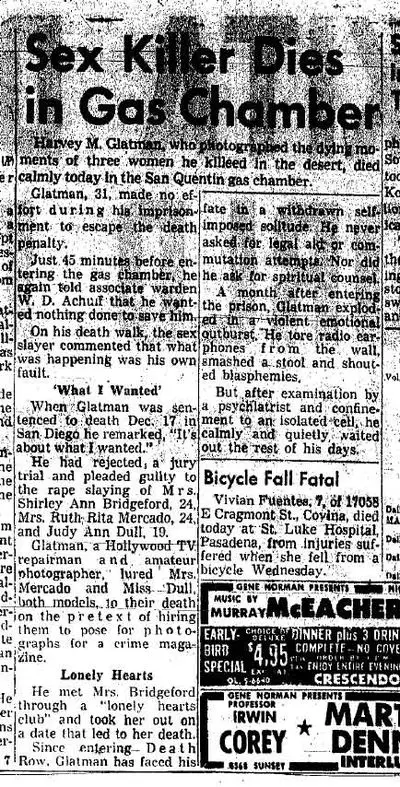
| Manner of Death | Judicial execution by hydrogen cyanide gas asphyxiation |
| Criminological Classification | Organized sexual serial killer, predatory photographer, bondage sadist |
| Active Criminal Period | August 1957 – October 1958 |
| Geographical Range | Los Angeles, Orange County, San Diego County, and Coachella Valley desert, California |
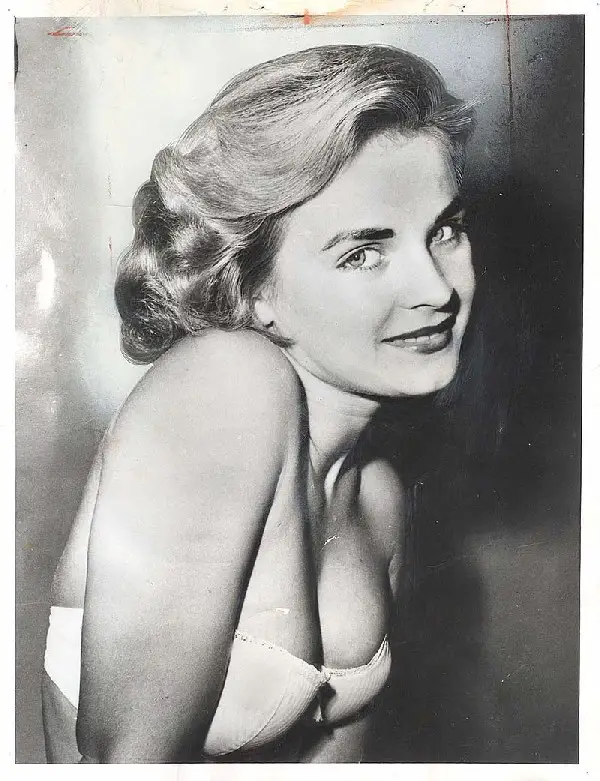
| Confirmed Murder Victims | 3 young women (Judith Ann Dull, 19, August 1957; Shirley Ann Bridgeford, 24, March 1958; Ruth Mercado, 23, July 1958) |
| Surviving Victim | Lorraine Vigil (28-year-old model who wrestled away his firearm on October 27, 1958) |
| Modus Operandi | Impersonating a commercial photojournalist working for detective pulp magazines; hiring aspiring models or contacting lonely-hearts clubs, luring victims to remote desert areas or domestic apartments, binding them in rope, photographing their genuine terror, subjecting them to sexual torture, and strangling them with cords to silence all witnesses |
| Signature Instrumentality | Professional cameras, drapery twine, venetian blind cords, and .32 caliber revolver |
| Forensic Significance | Documented his crimes on camera; rolls of undeveloped film discovered in his toolbox provided definitive forensic proof of premeditated abduction and homicide |
| Legal Sentence | Pleaded guilty to capital murder; executed in the San Quentin gas chamber in September 1959 |
EXECUTIVE SUMMARY & CRIMINOLOGICAL NOTORIETY
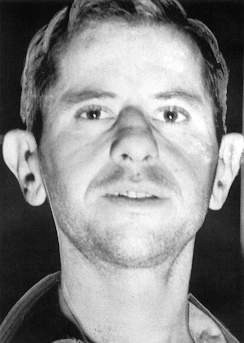
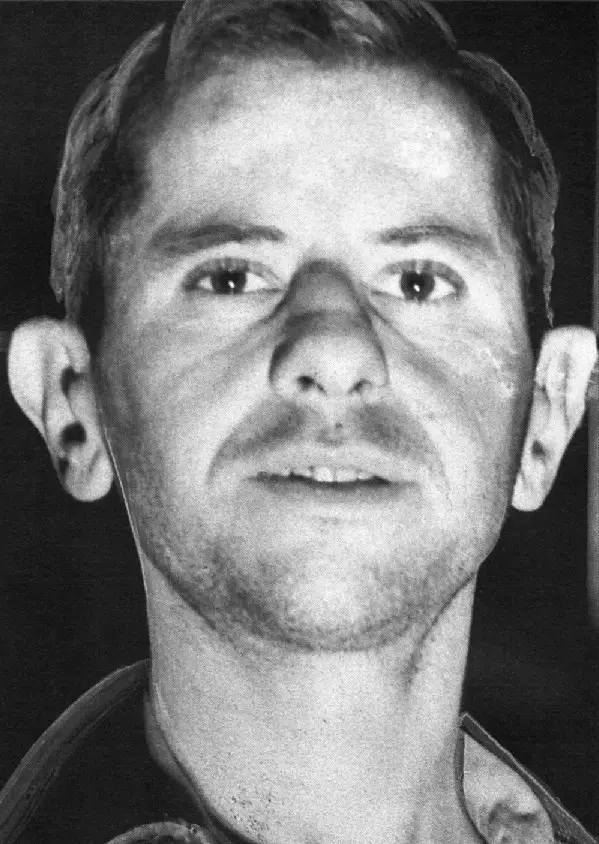
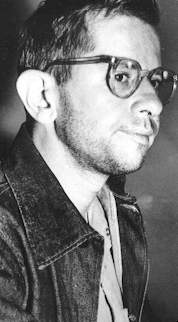
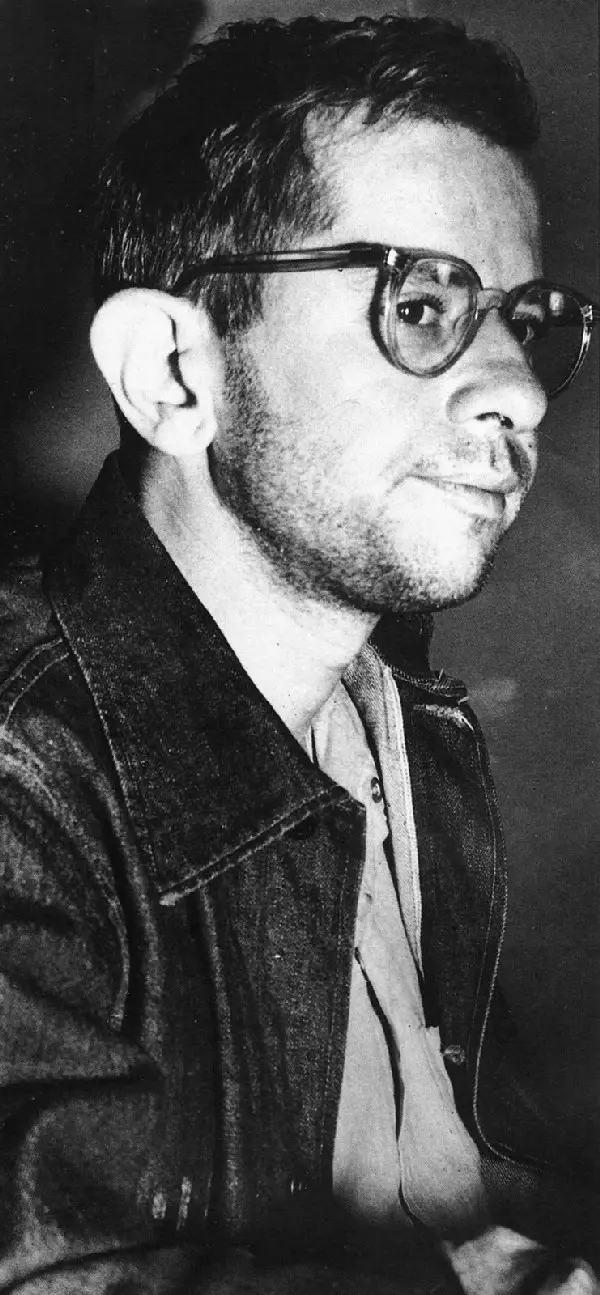
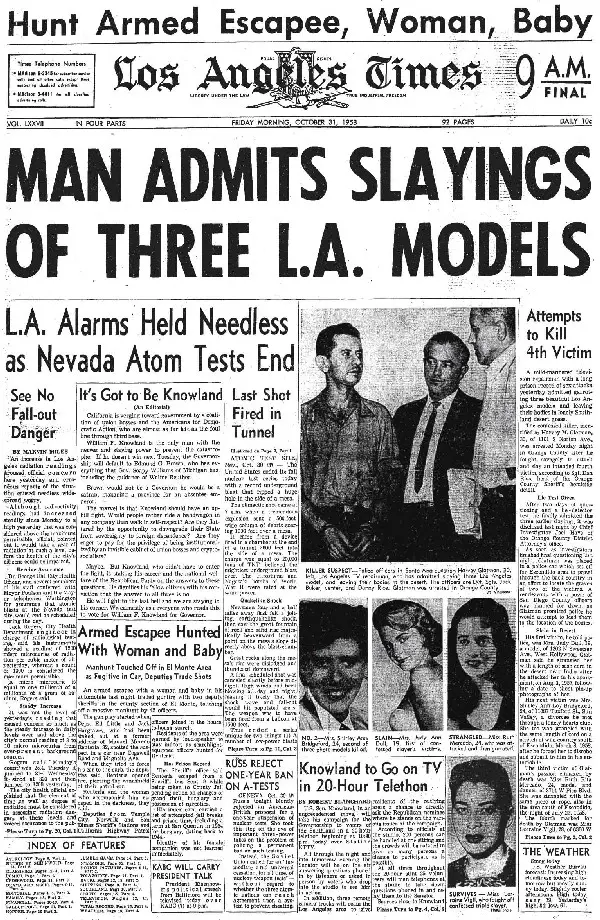
Harvey Murray Glatman is remembered in forensic psychiatry as the quintessential predatory bondage serial killer of mid-twentieth-century America. Operating across Southern California during the late 1950s, Glatman exploited post-war pulp magazine culture and the vulnerable dreams of aspiring Hollywood models.
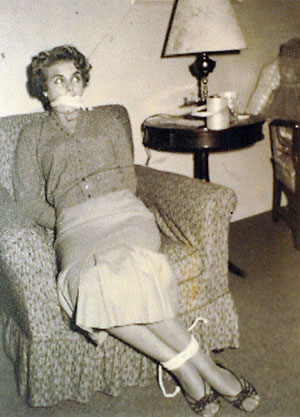
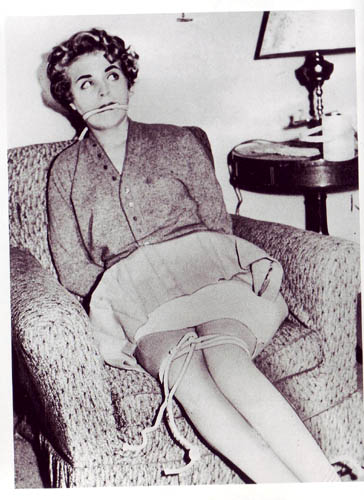
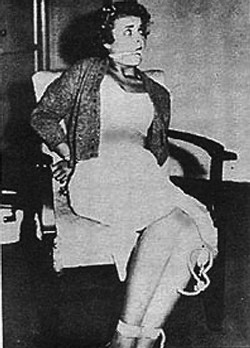
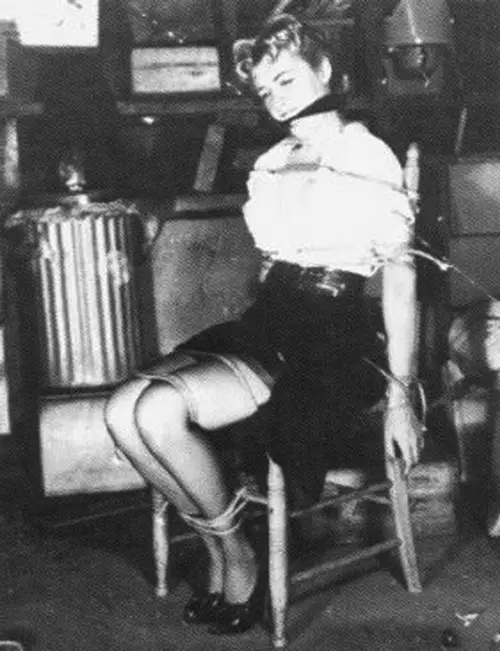
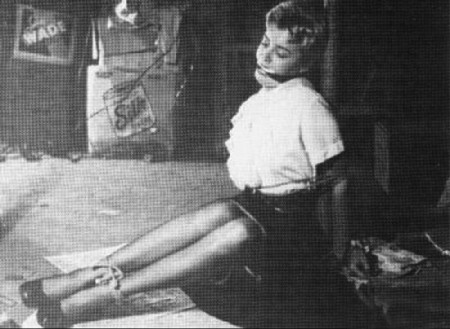
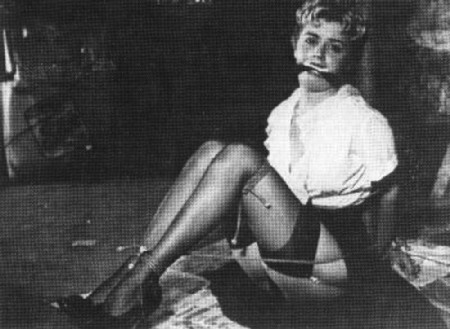
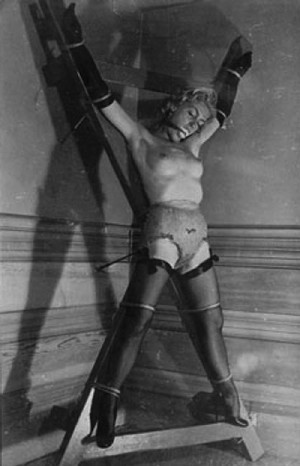
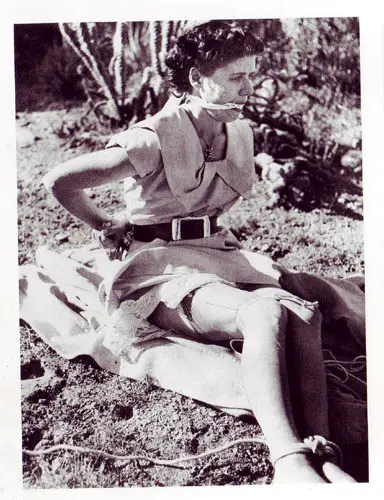
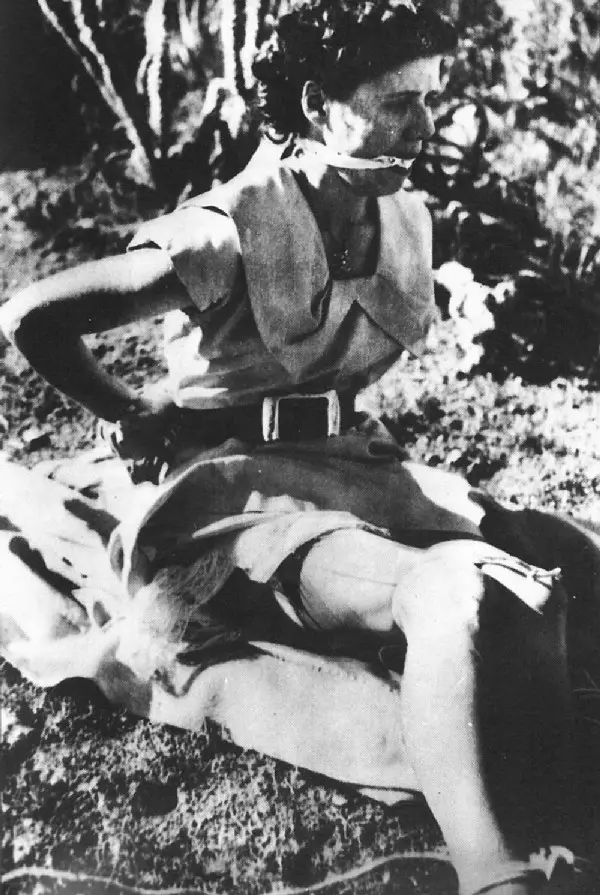
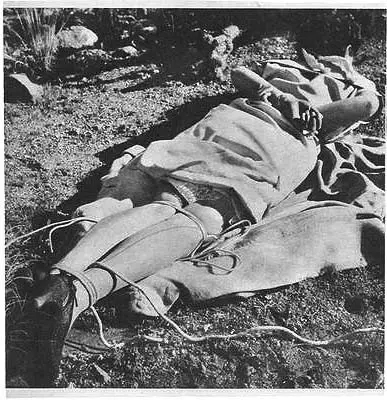
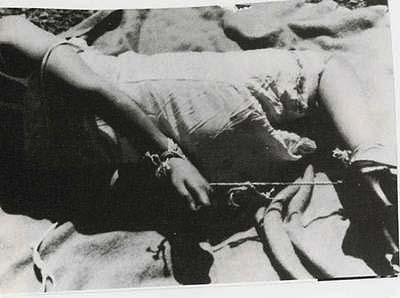
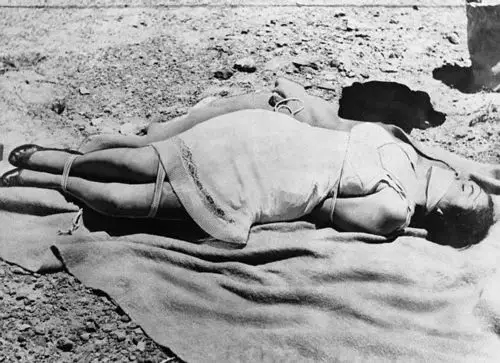
What established Glatman's dark infamy was his photographic fetish: he systematically photographed his victims bound, gagged, and weeping in the hours preceding their executions. The surviving photographic negatives—seized by police upon his arrest—provided an unprecedented visual record of genuine psychological terror and formed the bedrock of his immediate capital conviction.
EARLY TROUBLES, FETISH DEVELOPMENT, AND SING SING
Born in the Bronx in 1927, Glatman exhibited severe psychosexual aberrations in childhood, including bedwetting, chronic social withdrawal, and masturbatory rituals revolving around bondage. Relocating to Denver, Colorado, he broke into residences during high school to bind and gag women while stealing intimate souvenirs.
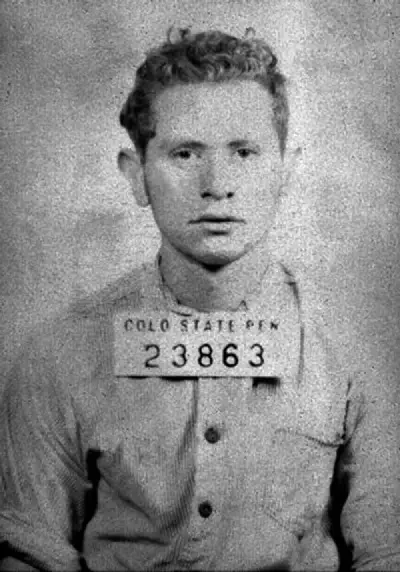
Arrested in 1945, he was committed to the Colorado Psychopathic Hospital for insulin shock treatment. In 1947, while living in Albany, New York, he was convicted of armed robbery and sexual assault, serving nine years in Sing Sing Correctional Facility. State prison psychologists diagnosed him as a remorseless psychopath with violent sadomasochistic deviations. Nevertheless, he was paroled in 1956.
THE PULP MAGAZINE RUSE
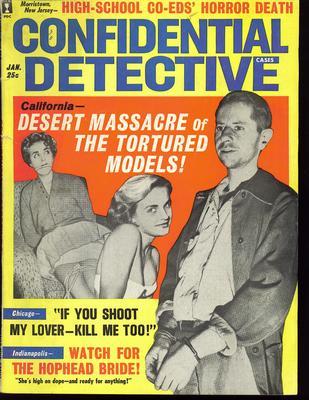
In 1957, Glatman relocated to Los Angeles and opened a television repair shop. Harboring obsessive bondage fantasies, he purchased professional camera gear and began placing calls to local modeling agencies under the alias "Frank Johnson."
His methodology was calculated and persuasive:
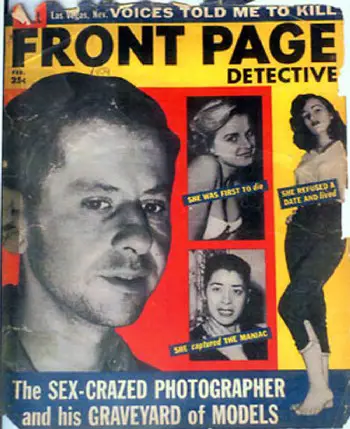
- Posing as a freelance photographer on assignment for true-crime pulp magazines like True Detective, he offered models lucrative hourly wages.
- He explained that the pictorial required them to portray an abducted heroine tied up by villains, persuading them to let him bind their wrists and ankles with clothesline ropes.
- Once incapacitated, Glatman brandished a .32 caliber revolver, informed the victims that the assignment was a fabrication, and threatened immediate death if they resisted.
DESERT KILLINGS (1957–1958)
Glatman drove his bound victims into desolate desert badlands:
- Judith Ann Dull (19 years old): Lured on August 1, 1957. Glatman tied her in his Los Angeles apartment, photographed her, and drove her to the Coachella Valley desert near Indio. After raping her in his vehicle, he strangled her with cord and buried her in a dry wash.
- Shirley Ann Bridgeford (24 years old): A mother of two whom Glatman contacted through a commercial lonely-hearts agency in March 1958. Drove her to a desert clearing near San Diego, tied her to the ground, photographed her tears, raped her, and choked her to death.
- Ruth Mercado (23 years old): Model hired in July 1958. Transported to Escondido, held captive overnight, photographed repeatedly, sexually assaulted, and strangled.
CAPTURE BY LORRAINE VIGIL
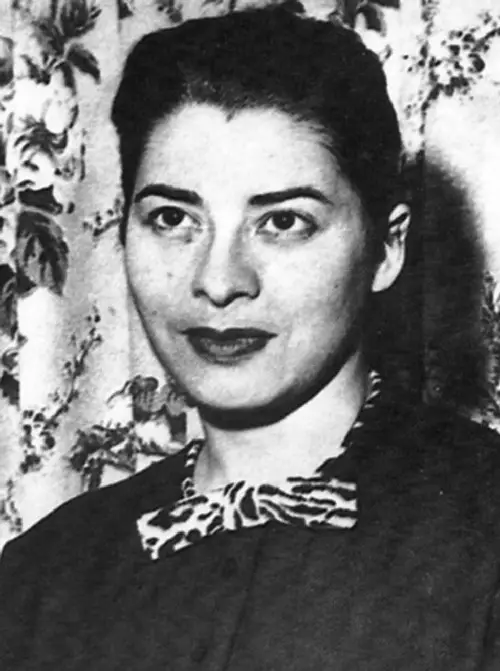
On October 27, 1958, Glatman offered a modeling shoot to 28-year-old Lorraine Vigil. While driving along the Santa Ana Freeway, Glatman steered into an isolated service road, produced his revolver, and ordered Vigil to allow herself to be tied.
Realizing she faced death, Vigil launched herself across the seat and grabbed the barrel of the revolver. During a desperate struggle inside the vehicle, the gun discharged, shooting Glatman in the thigh.
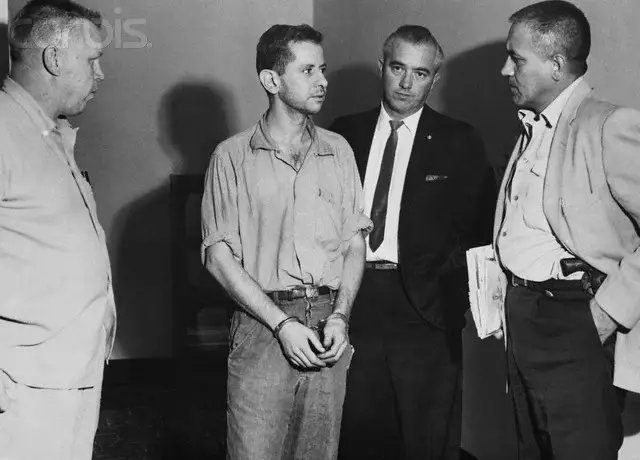
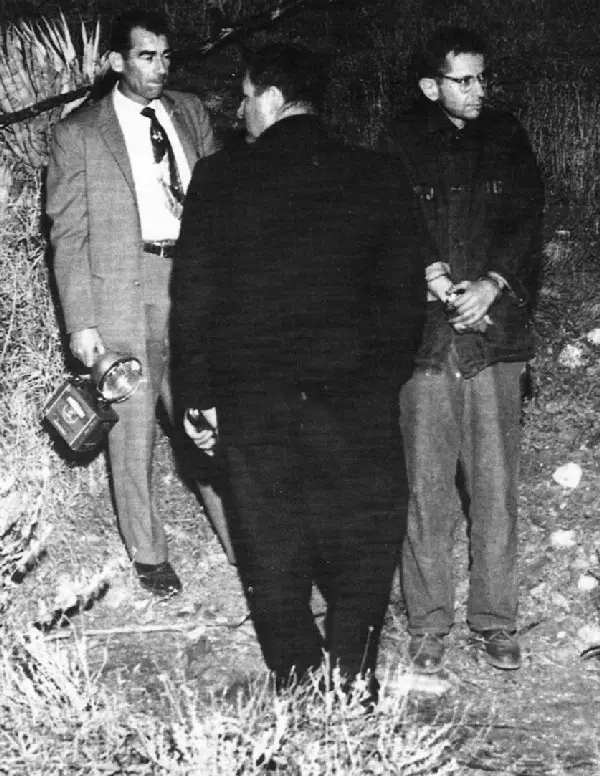
Vigil successfully wrestled the gun from his grip, jumped onto the highway, and kept Glatman covered at gunpoint until an alert California Highway Patrol officer arrived on scene.
EVIDENCE, CONFESSION, AND GAS CHAMBER EXECUTION
A search of Glatman's toolbox uncovered rolls of film, lengths of venetian blind cord, and newspaper clippings of missing models. When developed, the film revealed unmistakable photographs of Dull, Bridgeford, and Mercado bound and terrified in the desert sand.
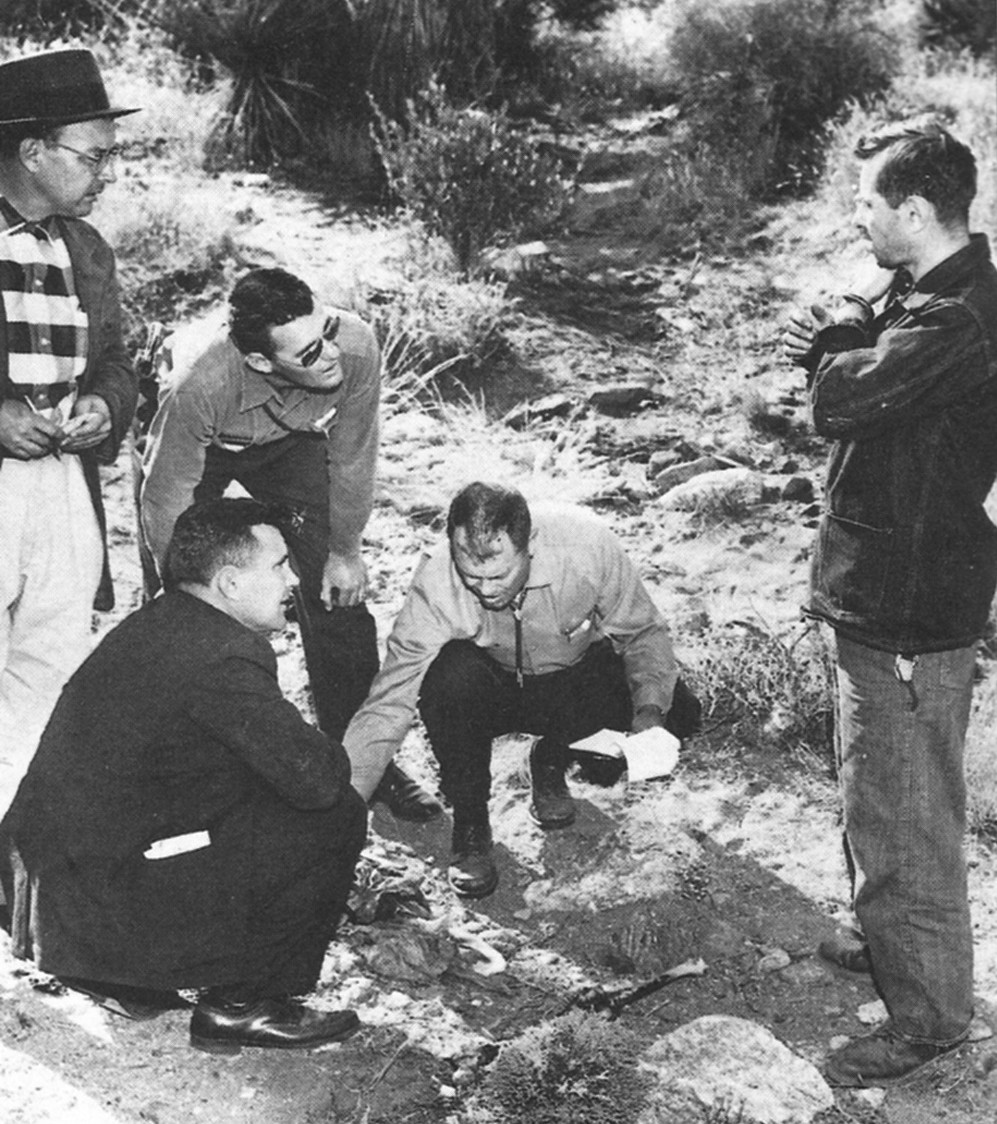
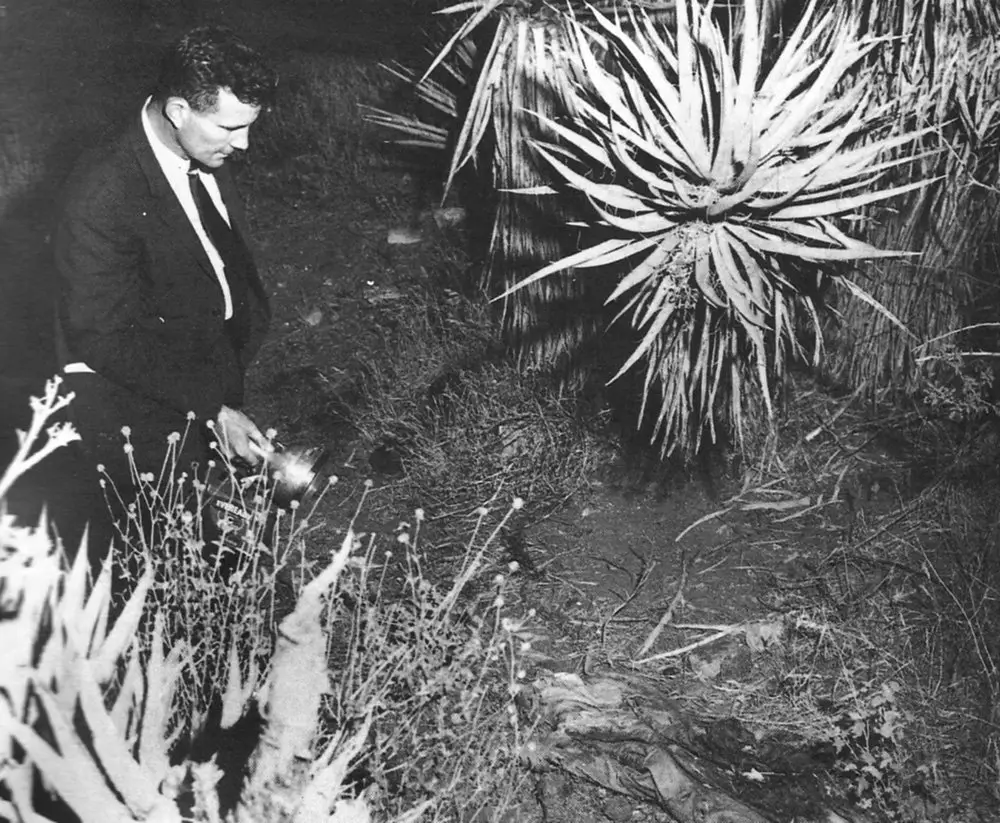
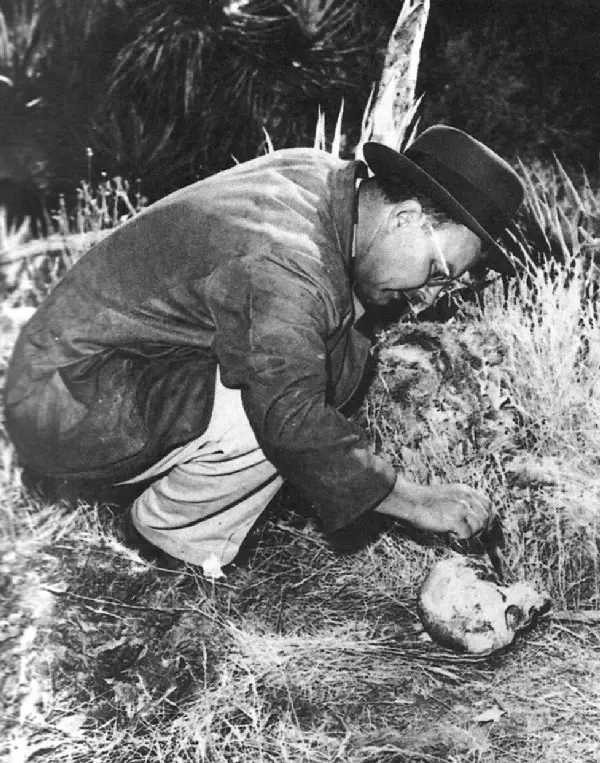
Confronted with undeniable physical proof, Glatman confessed in detail, leading officers to the desert burial sites. He stated plainly: "The only way I could get satisfaction was to tie them up... I had to kill them because they would go to the police."
Glatman pleaded guilty in San Diego Superior Court, waiving appeals and requesting the death penalty. Transferred to San Quentin Death Row, he was executed in the prison's cyanide gas chamber on September 18, 1959, pronounced dead at 10:12 a.m.