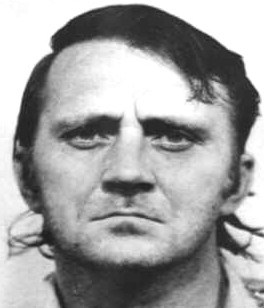
Forensic & Criminological Matrix
| Parameter | Forensic Detail |
|---|---|
| Forensic Heading / Aliases | None |
| Legal Identity | Carlyle W. Harris |
| Confirmed Victims | 1 |
| Attributed / Indicted Victims | 1 |
| Active Timeline | 1891 |
| Jurisdiction / Area of Operations | New York, USA |
| Criminological Classification | Spousal murderer / Poisoner |
| Forensic Modus Operandi | Administration of morphine via manipulated medical prescription |
| Weapon / Mechanism of Death | Morphine (Poisoning) |
| Motive / Behavioral Dynamics | Elimination of spouse to avoid social commitment |
| Judicial Outcome | Death sentence by electric chair (Executed 1893) |
1. Background and Profile
Carlyle W. Harris was a medical student with a promising academic career in New York. Despite his appearance as a respectable young man, he harbored a calculating personality, which allowed him to manipulate his social and personal environment to satisfy his selfish interests.
2. Criminal Career and Modus Operandi
In 1891, Harris secretly married Helen Potts. Facing the pressure of the marriage being exposed and potentially affecting his medical career, Harris decided to eliminate his wife. Using his medical knowledge, he administered a lethal dose of morphine, attempting to frame the death as a suicide or an accidental overdose.
3. Investigation and Arrest
The investigation focused on the origin of the medical prescription. Authorities discovered that Harris had forged documents to obtain the substance. Forensic analysis of the time, although nascent, successfully linked the prescription and Harris's conduct to the victim's death, dismantling his alibi.
4. Legal Proceedings and Outcome
After his arrest, Harris underwent a high-profile trial. Despite his constant denials and claims of absolute innocence, the forensic evidence presented by the prosecution was decisive for the jury.
5. Psychiatric Evaluation and Final Outcome
Carlyle Harris was sentenced to death. He was executed in the electric chair in 1893. Until the moment of his death, he maintained a stance of denial, insisting on his innocence despite the forensic evidence that directly incriminated him.