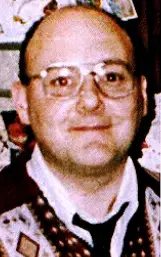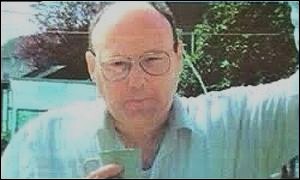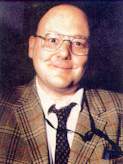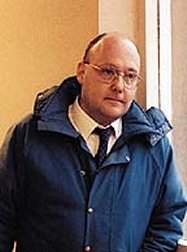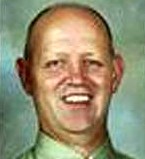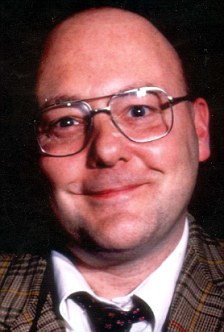




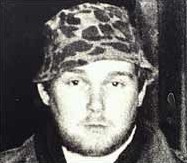
Forensic & Criminological Matrix
| Parameter | Forensic Detail |
|---|---|
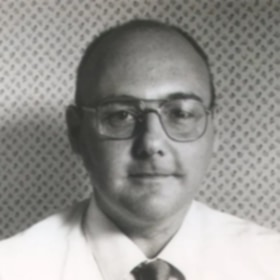
| Forensic Heading / Aliases | Thomas Watt Hamilton |
| Legal Identity | Thomas Watt Hamilton |
| Confirmed Victims | 17 |
| Attributed / Indicted Victims | 17 |
| Active Timeline | March 13, 1996 |
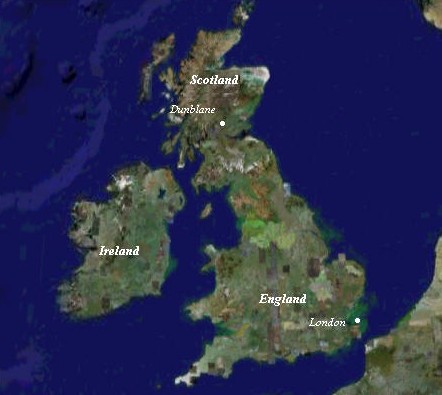
| Jurisdiction / Area of Operations | Dunblane, Scotland |
| Criminological Classification | Mass Murderer (School Shooter) |
| Forensic Modus Operandi | Armed intrusion into an educational facility |
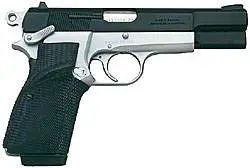
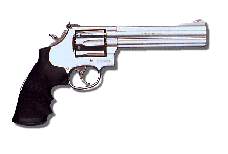
| Weapon / Mechanism of Death | Browning Hi-Power and Smith & Wesson 9mm pistols |
| Motive / Behavioral Dynamics | Narcissistic personality, social resentment, and paranoia |
| Judicial Outcome | Suicide of the perpetrator |
1. Background and Profile
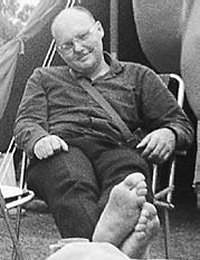
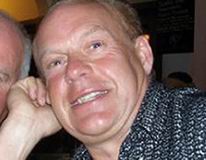
Thomas Watt Hamilton was born on May 10, 1952, in Glasgow, Scotland. He was a man with a long history of erratic and obsessive behavior that escalated over decades. In July 1973, at age 21, he became an assistant leader with the 4th/6th Stirling troop of the Scout Association. Later that year, he was appointed leader of the 24th Stirlingshire troop. However, his tenure was marked by multiple complaints regarding his conduct; witnesses reported that he forced scouts to sleep in close proximity to him inside his van during outings. By May 1974, the County Commissioner withdrew his Scout Warrant due to doubts about his moral intentions toward the boys, leading to his permanent blacklisting from the organization.
Hamilton developed a paranoid fixation against local institutions and police, feeling persecuted after his business failures in 1993 and the community's rejection of his independent youth clubs. In the months leading up to the massacre, he wrote letters to Queen Elizabeth II and local MPs, claiming he was being victimized by rumors that ruined his reputation.
2. Crime Spree
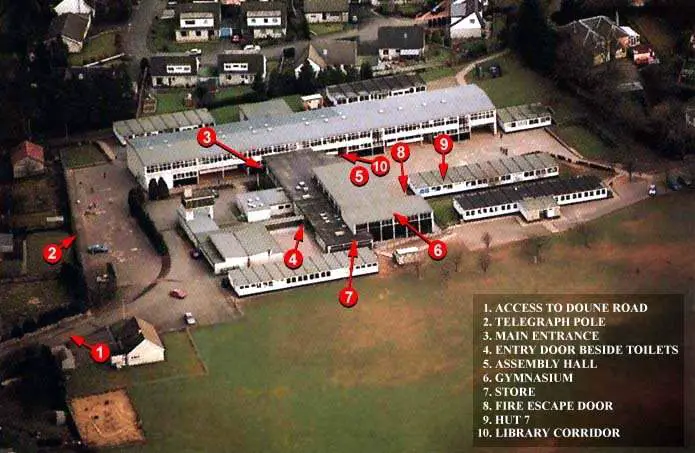
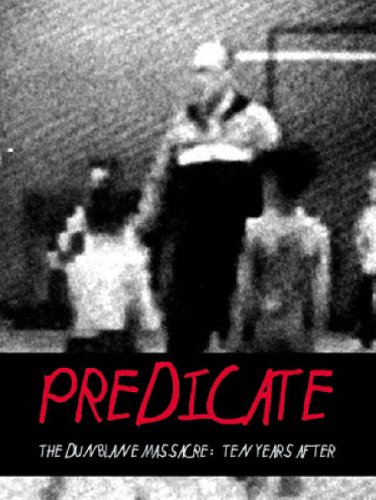
On the morning of March 13, 1996, Hamilton initiated a calculated attack. At 08:15, he prepared his van in Stirling and drove to Dunblane Primary School. Arriving at 09:30, he cut the telephone cables at a nearby pole to disrupt emergency communications. Armed with four handguns—two 9mm Browning HP pistols and two Smith & Wesson M19 .357 Magnum revolvers—and carrying 743 rounds of ammunition, he entered the school through a northwest door.
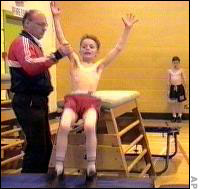
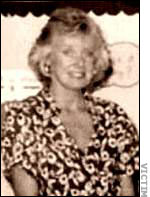
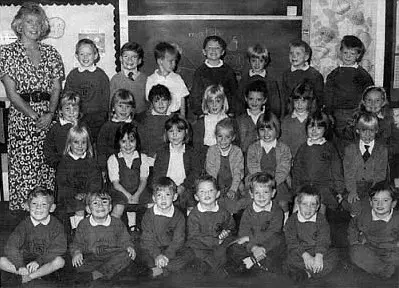
He entered the gymnasium where a class of 28 Primary 1 pupils was attending a physical education lesson. Hamilton opened fire indiscriminately, discharging a total of 106 rounds. He killed 16 children, aged five and six, and their teacher, Gwen Mayor. During the rampage, he wounded two other staff members, Eileen Harrild and Mary Blake, who managed to shield several children in a store cupboard. After firing at children who were already down, Hamilton turned one of the revolvers on himself and committed suicide.
3. Investigation and Arrest
Police were notified at 09:41, and the first ambulance arrived at 09:57. The subsequent investigation revealed that Hamilton held legal firearm certificates for all four weapons despite numerous prior warnings regarding his mental instability and predatory behavior. Criminologists noted the high volume of fire (106 shots) in a very short duration. The tragedy led to the Cullen Inquiry and a total ban on private handgun ownership in the United Kingdom, following a massive public campaign by the victims' families.
4. Legal Proceedings and Outcome
No criminal trial took place as the perpetrator committed suicide at the scene. The Cullen Inquiry, led by Lord Cullen, focused on systemic failures in gun licensing and school security. The inquiry's findings were instrumental in changing British law, highlighting how Hamilton's history of inappropriate behavior should have disqualified him from firearm ownership.
5. Psychiatric Assessment and Conclusion
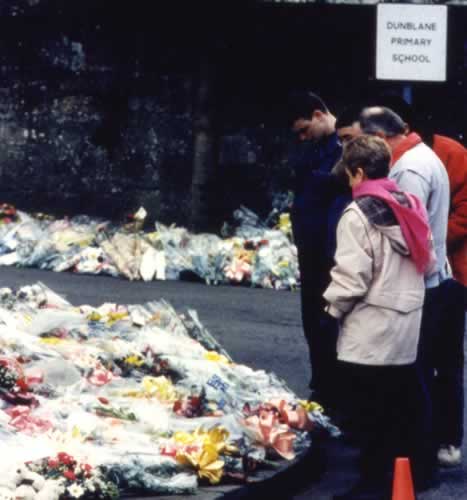
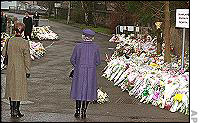
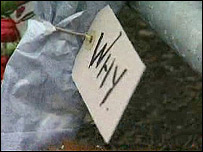
While no formal post-mortem clinical diagnosis was issued, criminological profiles indicate a narcissistic personality disorder with paranoid traits and deep-seated social maladjustment. Hamilton's actions were driven by a lethal combination of perceived social rejection and a desire for ultimate control. The 17 victims are remembered in a memorial garden at Dunblane Cemetery, and the event remains the deadliest mass shooting in British history.