Forensic & Criminological Matrix
| Parameter | Forensic Detail |
|---|---|
| Forensic Heading / Aliases | Richard Eugene Hamilton |
| Legal Identity | Richard Eugene Hamilton |
| Confirmed Victims | 1 |
| Attributed / Indicted Victims | 1 |
| Active Timeline | 1994 |
| Jurisdiction / Area of Operations | Lake City and Hamilton County, Florida |
| Criminological Classification | Sexual murderer / Fugitive |
| Forensic Modus Operandi | Abduction, sexual assault, and homicide |
| Weapon / Mechanism of Death | Physical violence and asphyxiation |
| Motive / Behavioral Dynamics | Opportunistic crime following prison escape |
| Judicial Outcome | Death sentence (affirmed by the Florida Supreme Court) |
1. Background and Profile
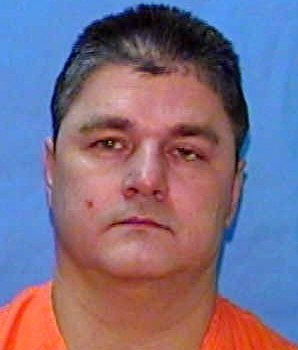
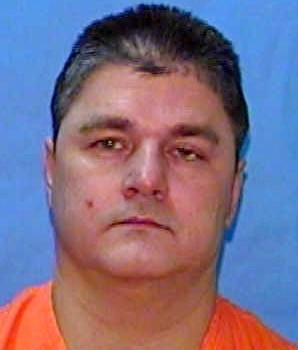
Richard Eugene Hamilton (1963–2023) was an American criminal whose activities culminated in a brutal homicide following his escape from a North Carolina correctional facility. He operated in conjunction with Anthony Wainwright, targeting victims while in a fugitive status.
2. Criminal Career and Modus Operandi
On April 27, 1994, 23-year-old Carmen Gabriella Gayheart, a nursing student and mother of two, was abducted in Lake City, Florida. Hamilton and Wainwright, having fled prison just days earlier, subjected the victim to sexual assault and murder in Hamilton County. The crime was characterized by the high-risk nature of their fugitive status.
3. Investigation and Arrest
Law enforcement agencies tracked the movements of the two fugitives across state lines. Forensic evidence gathered at the scene, combined with witness testimony, solidified the case against Hamilton and his accomplice, leading to their apprehension and subsequent prosecution.
4. Legal Proceedings and Outcome
Hamilton's legal journey was extensive. On July 10, 1995, he filed a direct appeal to the Florida Supreme Court, citing nine specific errors, including the admission of testimony regarding the victim's children and constitutional challenges to jury instructions. The Florida Supreme Court affirmed his conviction and sentence on October 23, 1997. Subsequent motions for post-conviction relief, including claims of ineffective assistance of counsel, were consistently denied through 2004.