Forensic & Criminological Matrix
| Parameter | Forensic Detail |
|---|---|
| Forensic Heading / Aliases | Big Jim, Red, The Arkansas Butcher |
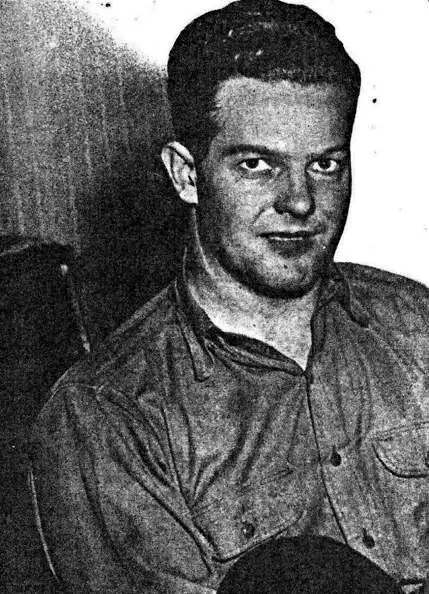
| Legal Identity | James Waybern Hall |
| Confirmed Victims | 4 |
| Attributed / Indicted Victims | 24 |
| Active Timeline | 1944-1945 |
| Jurisdiction / Area of Operations | Arkansas, Kansas, Texas, Arizona |
| Criminological Classification | Serial Killer |
| Forensic Modus Operandi | Hitchhiking, robbery, and firearm execution |
| Weapon / Mechanism of Death | Firearm (handgun) |
| Motive / Behavioral Dynamics | Financial gain and potential traumatic brain injury |
| Judicial Outcome | Death sentence, executed by electrocution |
1. Background and Psychopathy
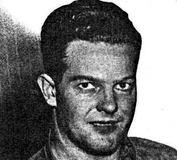
James Waybern Hall was born into a family of ten children, raised by a strict preacher father. Forensic analysis suggests he suffered a severe head injury at age 12, likely from physical abuse, which experts link to his later behavioral decline. He was known for a distinct gait and physical anomalies, including gray hair on one leg, which served as identifying marks.
2. Crime Spree
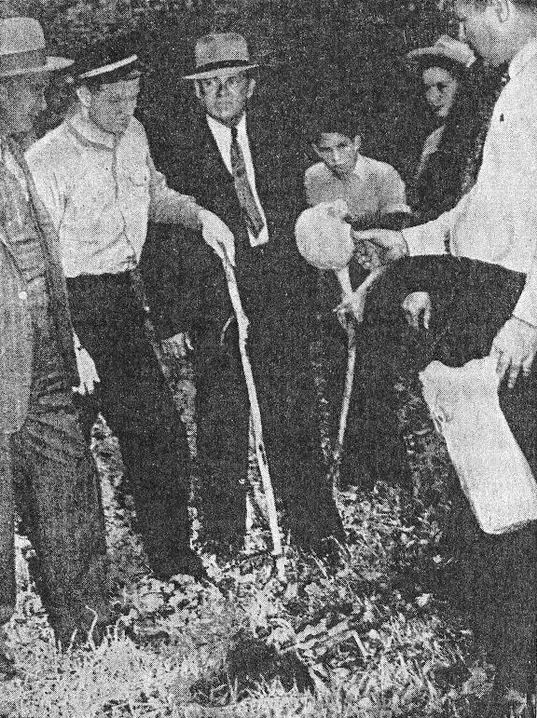
His confirmed spree occurred in Arkansas between 1944 and 1945. On September 14, 1944, he murdered his 19-year-old wife, Fayrene Clemmons. Between January and February 1945, he killed three additional men he encountered while hitchhiking. Hall claimed responsibility for up to 24 murders across several states, including Arizona, Kansas, and Texas, often killing for trivial amounts of money.
3. Investigation and Arrest
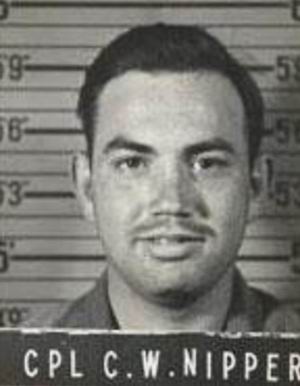
Law enforcement from multiple states, including Kansas, interrogated Hall regarding unsolved homicides, such as the 1944 murder of Cpl. Charles Nipper and Dr. M.E. Lambert. Hall was notoriously open about his crimes, often providing investigators with details of his victims.
4. Legal Proceedings and Outcome
Hall was tried in Arkansas for the murder of his wife and three men. Despite his defense team's attempt to argue mental instability due to his childhood brain injury, he was convicted and sentenced to death.
5. Execution
James Waybern Hall was executed via electric chair on January 4, 1946. He remained defiant until the end, famously telling prison guards, 'Boys, I'm not afraid. I can take it.'