Forensic & Criminological Matrix
| Parameter | Forensic Detail |
|---|---|
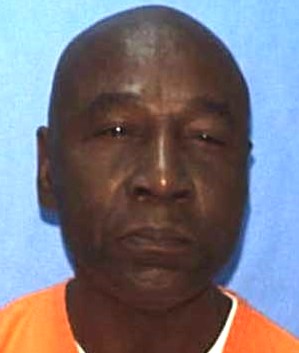
| Forensic Heading / Aliases | Freddie Lee Hall |
| Legal Identity | Freddie Lee Hall |
| Confirmed Victims | 2 |
| Attributed / Indicted Victims | 2 |
| Active Timeline | 1978 |
| Jurisdiction / Area of Operations | Leesburg, Florida, USA |
| Criminological Classification | Multiple murderer |
| Forensic Modus Operandi | Kidnapping, sexual assault, and summary execution |
| Weapon / Mechanism of Death | Firearm |
| Motive / Behavioral Dynamics | Robbery and sexual violence |
| Judicial Outcome | Death sentence (subject to multiple appeals) |
1. Background and Profile
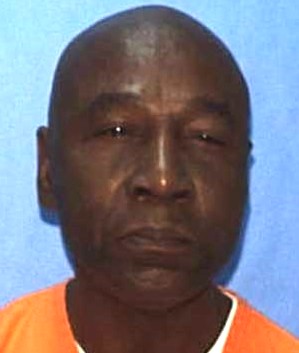
Born in 1945, Freddie Lee Hall became a central figure in Florida's legal history regarding the intersection of intellectual disability and the death penalty. His case has undergone decades of judicial scrutiny.
2. Crime Spree
In 1978, Hall and his accomplice, Mack Ruffin Jr., abducted Karol Hurst from a grocery store parking lot in Leesburg. The victim was taken to a remote area, sexually assaulted, and murdered. Shortly after, the pair encountered and killed police officer Terrence Irwin.
3. Investigation and Arrest
Law enforcement quickly identified Hall and Ruffin as the primary suspects. Forensic evidence, including ballistics and witness statements, solidified the prosecution's case.
4. Legal Proceedings and Outcome
Hall was convicted and sentenced to death. His legal team pursued numerous appeals, specifically challenging the constitutionality of his execution based on his intellectual disability, leading to significant rulings in the Florida Supreme Court and the U.S. Supreme Court.