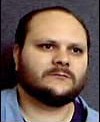
Forensic & Criminological Matrix
| Parameter | Forensic Detail |
|---|---|
| Forensic Heading / Aliases | None |
| Legal Identity | Conan Wayne Hale |
| Confirmed Victims | 3 |
| Attributed / Indicted Victims | 3 |
| Active Timeline | 1995 |
| Jurisdiction / Area of Operations | Springfield, Oregon, USA |
| Criminological Classification | Multiple murderer / Sexual predator |
| Forensic Modus Operandi | Kidnapping, sexual assault, and execution by firearm |
| Weapon / Mechanism of Death | .38 Taurus revolver, machete, and physical force |
| Motive / Behavioral Dynamics | Pathological jealousy and predatory violence |
| Judicial Outcome | Death sentence (subsequently reviewed) |
1. Background and Profile
Born on December 28, 1975, Conan Wayne Hale had a documented history of violence prior to the 1995 murders, including allegations of sexual assault in 1991. His behavioral profile included satanic beliefs and self-inflicted swastika tattoos, indicating a deeply ingrained antisocial personality.
2. Crime Spree
On December 21, 1995, Hale and accomplice Jonathan Wayne Susbauer abducted three teenagers: Kristal Bendele, Brandon Williams, and Patrick Finley. The victims were taken to a logging landing at McGowan Creek. Bendele and Williams were executed via gunshot wounds. Finley was found alive but later succumbed to his injuries. The crime scene was characterized by extreme brutality and sexual violence.
3. Investigation and Arrest
Forensic evidence, specifically DNA found on a stolen .38 Taurus revolver and clothing recovered from the scene, proved instrumental. The case gained national attention due to the illegal recording of a jailhouse confession between Hale and a Catholic priest, which reached the 9th U.S. Circuit Court of Appeals regarding religious freedom.
4. Legal Proceedings and Outcome
In 1998, Hale was convicted on 33 counts, including aggravated murder. The trial featured testimony from Susbauer, who claimed Hale forced him to participate. The judge characterized Hale as a coward and a miserable excuse for a human being during sentencing.
5. Forensic Conclusion
Despite various legal appeals regarding jury instructions and the admissibility of evidence, Hale's convictions for the murders were largely upheld, and he remains incarcerated.