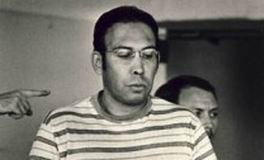
Forensic & Criminological Matrix
| Parameter | Forensic Detail |
|---|---|
| Forensic Heading / Aliases | N/A |
| Legal Identity | Raymond Gunn |
| Confirmed Victims | 1 |
| Attributed / Indicted Victims | 1 |
| Active Timeline | 1931 |
| Jurisdiction / Area of Operations | Maryville, Missouri, USA |
| Criminological Classification | Homicide suspect / Lynching victim |
| Forensic Modus Operandi | Stabbing |
| Weapon / Mechanism of Death | Knife |
| Motive / Behavioral Dynamics | Unknown |
| Judicial Outcome | Extrajudicial execution (lynching) |
1. Background and Profile
Raymond Gunn (1904–1931) was an American man whose life ended abruptly following allegations of a capital crime in Missouri. His case is a historical reflection of the social tensions and extrajudicial violence prevalent in early 20th-century America.
2. Crime Spree
In 1931, Gunn was accused of the murder of Velma Colter, a schoolteacher. The crime, allegedly committed with a knife, caused significant public outcry in Maryville, leading to an immediate and violent reaction from the local population.
3. Investigation and Arrest
Law enforcement efforts to maintain order were overwhelmed by a mob. The investigation was effectively halted when the suspect was forcibly removed from custody, preventing any formal forensic or legal inquiry.
4. Legal Proceedings and Outcome
Raymond Gunn never faced a formal trial. He was subjected to a public lynching. His final plea to the mob was recorded as: "Please let the courts handle me. Please don’t burn me."
5. Forensic Conclusion
The death of Raymond Gunn serves as a grim historical example of mob violence. The lack of a judicial process meant that no formal psychiatric evaluation or legal verdict was ever reached, as the suspect was killed before the state could exercise its authority.