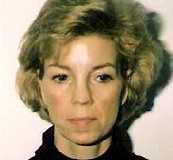





Forensic & Criminological Matrix
| Parameter | Forensic Detail |
|---|---|
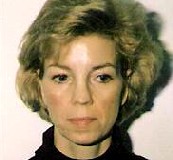
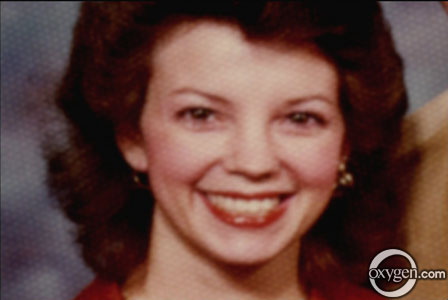
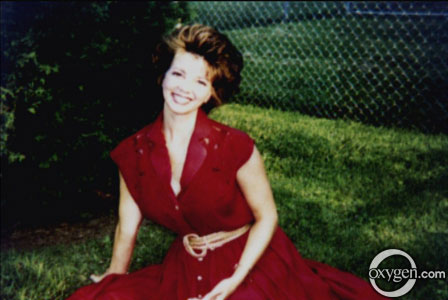
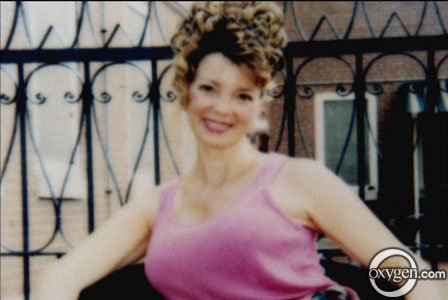
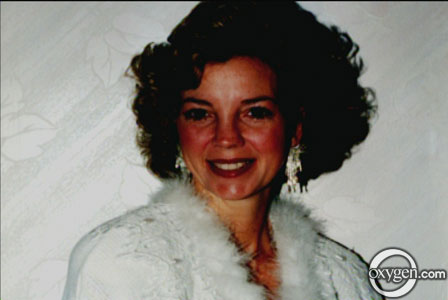
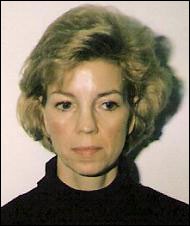
| Forensic Heading / Aliases | Susan Grund (born Sue Ann Sanders) |
| Legal Identity | Sue Ann Sanders |
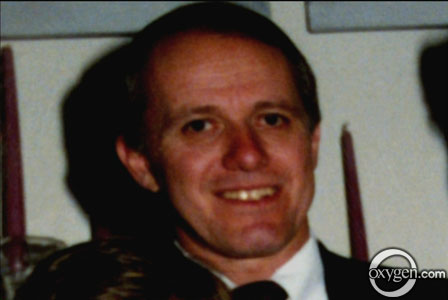
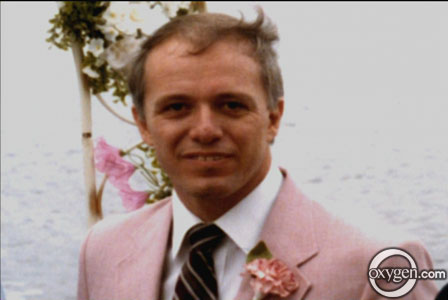
| Confirmed Victims | 1 (James Grund) |
| Active Timeline | August 1992 |
| Jurisdiction / Area of Operations | Peru, Miami County, Indiana (USA) |
| Criminological Classification | Spousal homicide / Covert murder for financial and personal preservation |
| Forensic Modus Operandi | Execution-style close-range gunshot, subsequent staging of a residential burglary to simulate a home invasion, and concealment of the firearm inside a concrete-filled copper kettle |
| Weapon / Mechanism of Death | Handgun (previously reported stolen) |
| Motive / Behavioral Dynamics | Marital breakdown, resistance to divorce, and preservation of socio-economic status |
| Judicial Outcome | Sentenced to 60 years imprisonment on March 16, 1994, by the Miami County Court; subsequent appeals denied |
1. Background and Profile
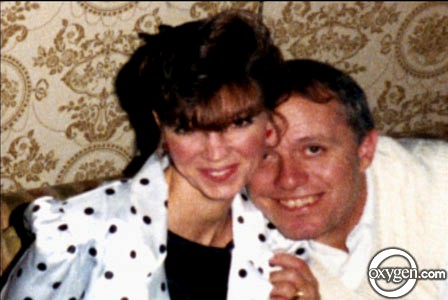
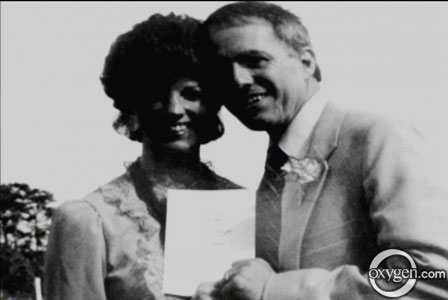
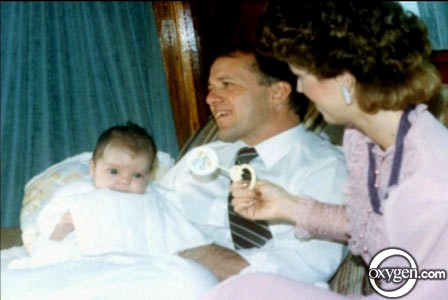
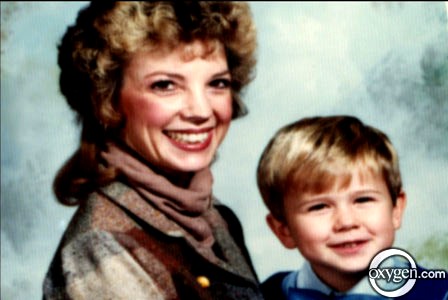
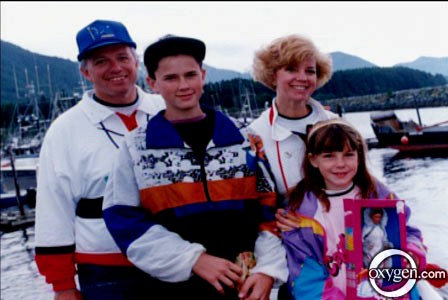
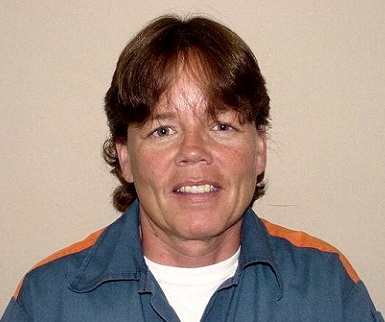
Born Sue Ann Sanders in 1958, Susan Grund grew up in an impoverished and dysfunctional household in Indiana, marked by an alcoholic and physically abusive father who subjected her to childhood sexual trauma. Eager to escape her socioeconomic background, she dropped out of high school at 17 and rebranded herself as Susan. Characterized by early sexual precocity and exhibiting traits consistent with narcissistic personality patterns identified by later criminal profilers, she entered a succession of turbulent marriages: first to rock musician Ronnie Lovell, then to trucker Gary Campbell —whom she attacked on multiple occasions with scissors and knives—, and finally to James "Jimmy" Grund, a prominent local attorney and former county prosecutor.
2. Crime Spree and Modus Operandi
On August 3, 1992, shortly before midnight, Susan Grund placed a 911 call reporting that her husband had been shot inside their spacious country home in Peru, Indiana. James Grund, 47, was found dead on a living room sofa with a single gunshot wound through his left eye while seated in front of work papers and bills. The crime scene displayed contrived elements of disarray—ransacked closets and displaced luggage—designed to mimic a botched burglary. However, forensic technicians from the Indiana State Police quickly noted the implausibility of the scenario, observing that the victim's relaxed posture and untouched surroundings strongly pointed to a staged interior.
3. Investigation and Arrest
The investigation broke open in November 1992 when Susan's sister, Darlene Worden, informed detectives that Susan had confessed to the murder. The physical evidence was secured after family members discovered that a large copper kettle stored in the attic had been filled with solid concrete. Police in Peru seized the object, broke open the encasement, and retrieved the murder weapon, which had been reported stolen a month prior to the crime. Authorities established that the Grunds' marriage was failing and that Susan wished to avoid the repercussions of a divorce.
4. Legal Proceedings and Outcome
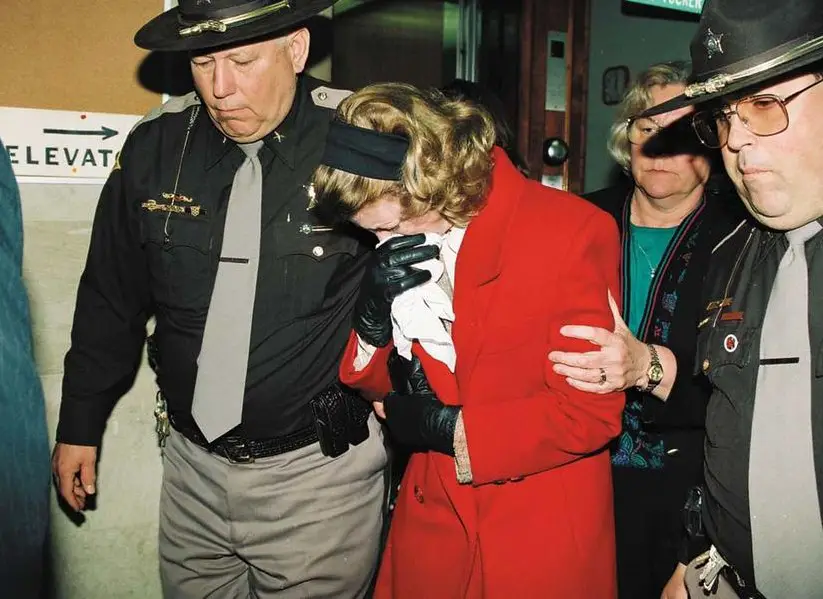
Following her arrest in late 1992, Grund's first trial ended in a mistrial due to a hung jury. A second trial concluded on March 16, 1994, when a jury convicted her of murder. She received a 60-year sentence in the Indiana Department of Correction. Over the subsequent decades, Grund maintained her innocence and pursued multiple appeals, including a televised prison interview in 2010 with former FBI profiler Candice DeLong, who labeled her a delusional narcissist. Her final appeals seeking a reduced sentence were formally rejected by the Indiana Supreme Court in September 2012.