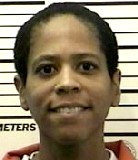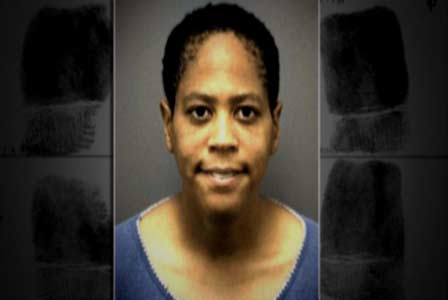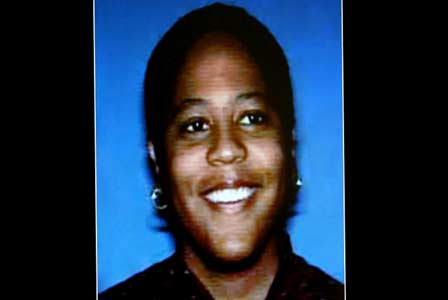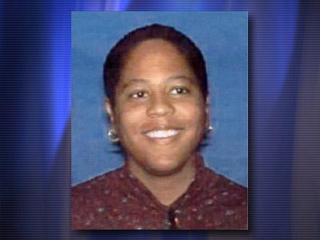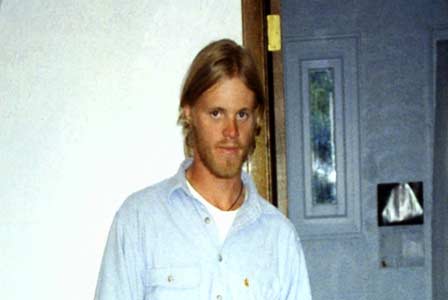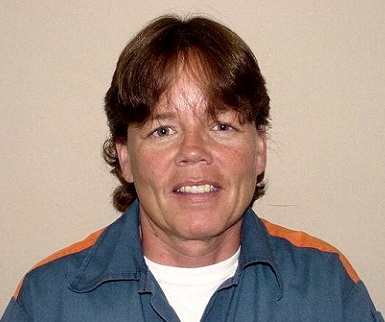






Forensic & Criminological Matrix
| Parameter | Forensic Detail |
|---|---|
| Forensic Heading / Aliases | Malaika Griffin, "Lake Griffin" |
| Legal Identity | Malaika Tamu Griffin |
| Confirmed Victims | 1 (Jason Patrick Horsley) |
| Active Timeline | May 18, 1999 |
| Jurisdiction / Area of Operations | Denver, Colorado, United States |
| Criminological Classification | Ideologically motivated homicide perpetrator with severe behavioral pathology |
| Forensic Modus Operandi | Interpersonal dispute escalation, retrieval of a laser-sighted firearm from domicile, point-blank execution shot to the back, armed carjacking for interstate flight, and long-term identity concealment. |
| Weapon / Mechanism of Death | 9 mm semi-automatic handgun with laser sight / Ballistic trauma to the dorsal region piercing the heart. |
| Motive / Behavioral Dynamics | Extreme racial hatred, social resentment, extremist literature possession, and lethal disproportion in conflict resolution. |
| Judicial Outcome | Convicted in March 2006 of first-degree murder, aggravated robbery, and aggravated motor vehicle theft; sentenced to life imprisonment without the possibility of parole. Appeals denied in 2009. |
1. Background and Profile
Malaika Tamu Griffin was born on May 11, 1971. Demonstrating high academic aptitude, she attended Jackson State University, graduating near the top of her class with a Bachelor of Science degree in chemistry. Following a solo backpacking trip across Europe, she relocated to Denver, Colorado, in 1999, where she found employment at a local pharmacy.
Beneath her professional veneer as a laboratory assistant, law enforcement uncovering her personal quarters discovered a concerning arsenal consisting of an assault rifle, ammunition, hand grenades, and radical terrorist literature, including The Anarchist Cookbook and Home Workshop Silencers. Personal journals recovered from her apartment detailed an intense ideological hatred directed toward white people and documented fantasies of extreme violence.
2. Crime Spree and Modus Operandi
On May 18, 1999, a verbal altercation erupted outside residential homes on Humboldt Street in Denver. Jason Patrick Horsley, a 25-year-old carpenter and next-door neighbor, had placed his work tools on the sidewalk in front of Griffin's residence after finishing his shift, triggering a bitter dispute.
Escalating the conflict, Griffin retreated into her apartment, retrieved a 9 mm handgun equipped with a laser sight, and returned to shoot Horsley point-blank in the back, causing instantaneous death. Immediately following the execution, Griffin carjacked an acquaintance's vehicle at gunpoint, abandoning it later in Iowa City, Iowa, before fleeing to Chicago and disappearing from law enforcement tracking.
3. Investigation and Manhunt
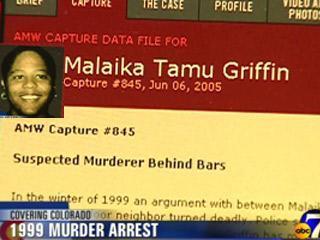
The case remained an unresolved fugitive investigation for over six years. Griffin adopted the alias "Lake Griffin" and relocated to El Cajon, California, securing employment at a biotechnology firm, a fast-food outlet, and a thrift store.
The manhunt reached its turning point following multiple profiles on the television program America's Most Wanted. After her eighth national broadcast profile on June 4, 2005, alert co-workers in El Cajon recognized her appearance and contacted authorities. FBI agents and local police confronted Griffin at her apartment, where she voluntarily admitted her true identity and was taken into custody without incident.
4. Legal Proceedings and Outcome
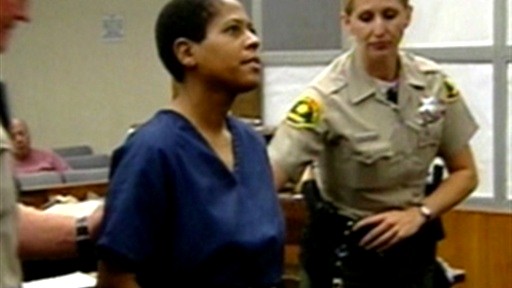
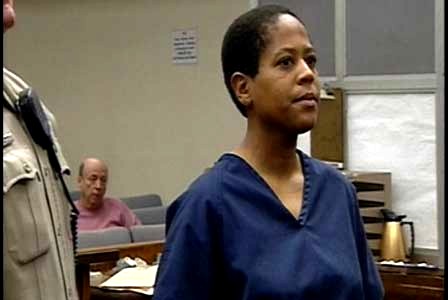
Waiving extradition, Griffin was returned to Colorado to face formal prosecution for first-degree murder, aggravated robbery, and aggravated motor vehicle theft. Her trial commenced on February 27, 2006.
During court proceedings, prosecutors introduced excerpts from her journals detailing her hatred of white individuals and entered the seized weaponry into evidence. Although Griffin testified in her own defense, claiming innocence and asserting that her writings were merely a fictional play, the jury deliberated for seven hours before returning guilty verdicts on all counts on March 6, 2006.
5. Psychiatric Assessment and Aftermath
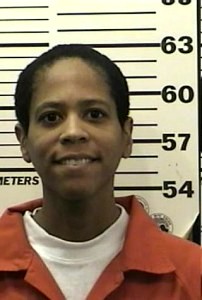
Under Colorado state statutes, the first-degree murder conviction mandated an automatic sentence of life imprisonment without parole. Subsequent appeals filed in 2009 challenging trial counsel representation and evidentiary admissions were fully rejected by the Colorado Court of Appeals, cementing the judicial outcome. The case remains a textbook study of sudden lethal escalation fueled by deep-seated racial animus and clandestine weapon stockpiling.