Forensic & Criminological Matrix
| Parameter | Forensic Detail |
|---|---|
| Forensic Heading / Aliases | Stan |
| Legal Identity | Eric Stanley George Graham |
| Confirmed Victims | 7 |
| Attributed / Indicted Victims | 7 |
| Active Timeline | October 8–20, 1941 |
| Jurisdiction / Area of Operations | Kowhitirangi, New Zealand |
| Criminological Classification | Mass Murderer |
| Forensic Modus Operandi | Long-range firearm usage and rural guerrilla tactics |
| Weapon / Mechanism of Death | Rifles and .32 caliber automatic pistol |
| Motive / Behavioral Dynamics | Paranoia, financial instability, and neighborly conflict |
| Judicial Outcome | Deceased from gunshot wounds during apprehension |
1. Background and Profile
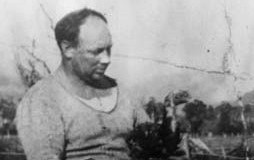
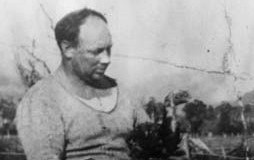
Eric Stanley Graham was a farmer in Kowhitirangi, New Zealand. By 1938, his mental state began to decline, characterized by extreme paranoia regarding his neighbors and local authorities. Financial pressures from his failing dairy farm exacerbated his isolation and hostility.
2. Criminal Career and Modus Operandi
On October 8, 1941, Graham engaged in a lethal confrontation with police officers who arrived to investigate reports of his threatening behavior. He killed Sergeant William Cooper and Constables Frederick Jordan and Percy Tulloch. Constable Edward Best was mortally wounded. Agricultural instructor George Ridley was also shot. On the following day, Graham killed Home Guardsmen Richard Coulson and Gregory Hutchison during a firefight.
3. Investigation and Arrest
A massive 12-day manhunt ensued, involving over 100 personnel. Graham utilized his expert marksmanship and knowledge of the dense bush to evade capture. He was eventually spotted and shot by Constable James Quirke on October 20, 1941.
4. Legal Proceedings and Outcome
Graham died in the hospital the day after his capture. No trial occurred due to his death. The case remains a significant event in New Zealand criminal history, often analyzed through the lens of mental health and social alienation.