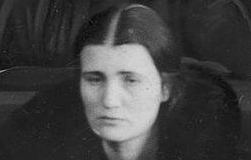





Forensic & Criminological Matrix
| Parameter | Forensic Detail |
|---|---|
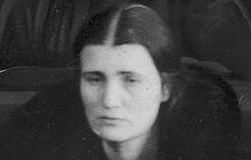
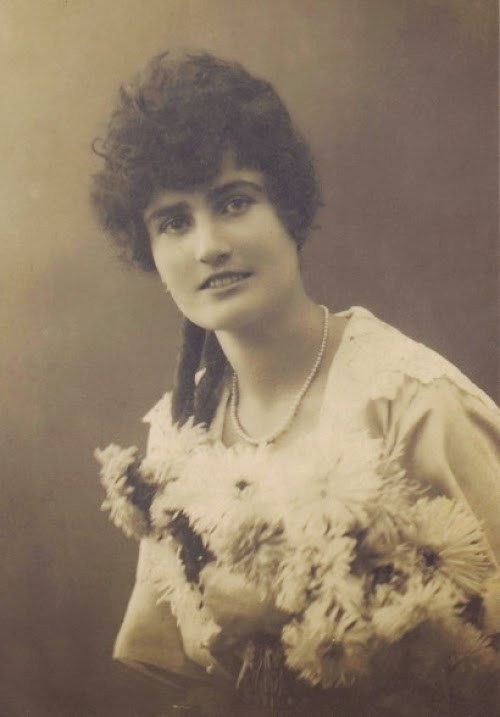
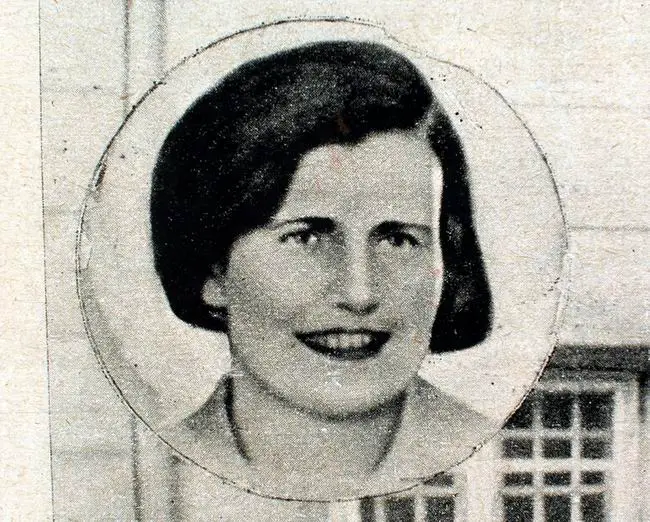
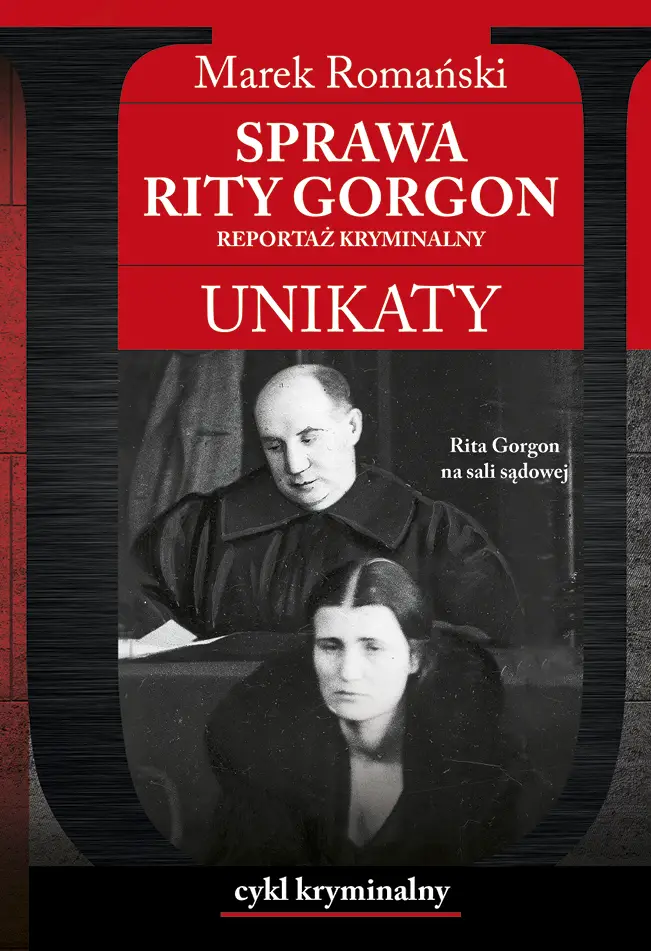
| Forensic Heading / Aliases | Rita Gorgonowa |
| Legal Identity | Emilia Margerita Ilic |
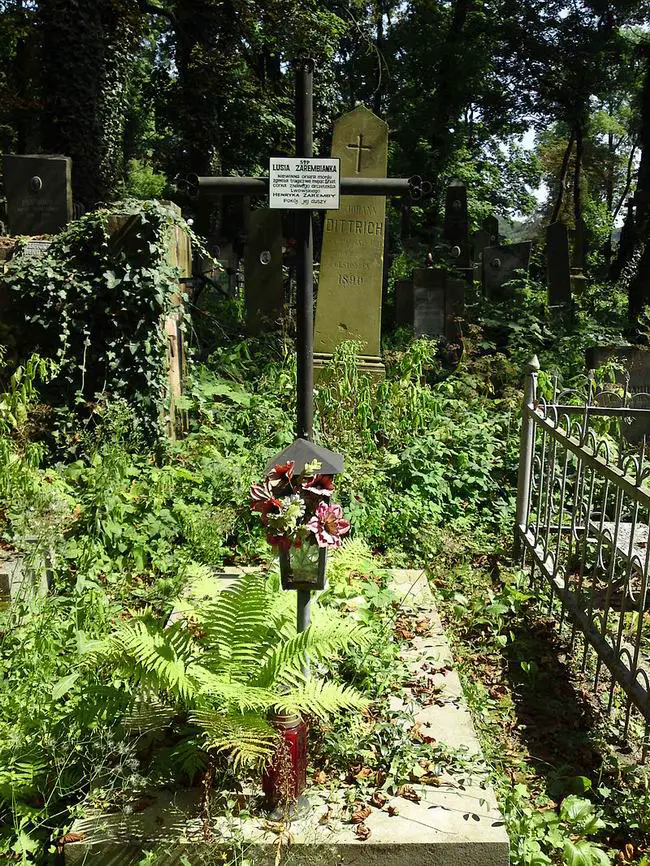
| Confirmed Victims | 1 (Elżbieta 'Lusia' Zaremba) |
| Active Timeline | December 30, 1931 |
| Jurisdiction / Area of Operations | Brzuchowice / Lwów, Second Polish Republic |
| Criminological Classification | Domestic Homicide / Passion Crime |
| Forensic Modus Operandi | Nocturnal intrusion into victim's room, blunt force trauma to the cranium, and staged sexual assault |
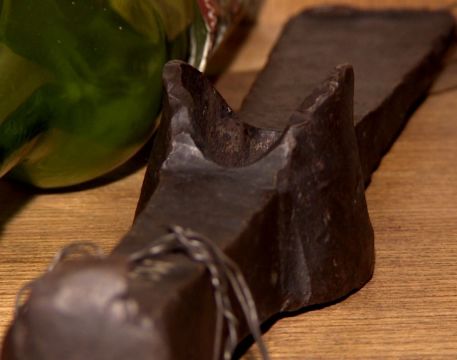
| Weapon / Mechanism of Death | Blunt instrument (alleged ice pick) |
| Motive / Behavioral Dynamics | Household rivalry, domestic friction, and emotional jealousy regarding the father |
| Judicial Outcome | Sentenced to death in 1932 (overturned); resentenced to 8 years in 1933; released during the 1939 German invasion, post-war fate unknown |
1. Background and Profile
Emilia Margerita Ilic was born on March 7, 1901, in Knin, Dalmatia (then part of the Austro-Hungarian Empire). Her father, a physician, died during her early childhood. At age 15, she married an Austro-Hungarian army colonel, Erwin Gorgon, and relocated to Lwów. Following the dissolution of the empire after World War I, her husband emigrated to the United States, leaving her behind. Her in-laws subsequently ostracized and expelled her under unverified claims of moral impropriety.
2. Crime Spree and Modus Operandi
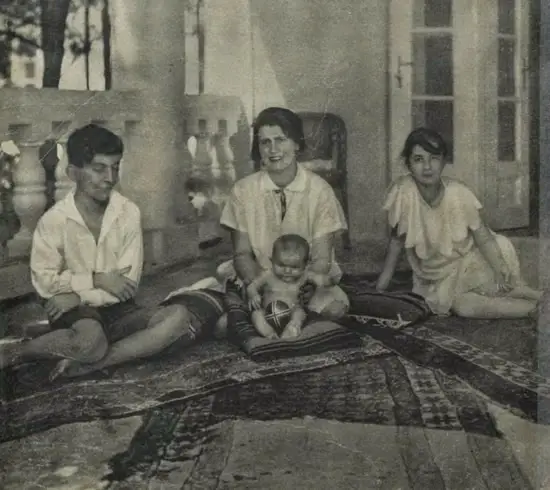
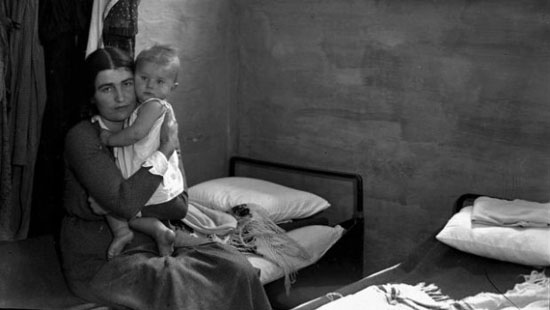
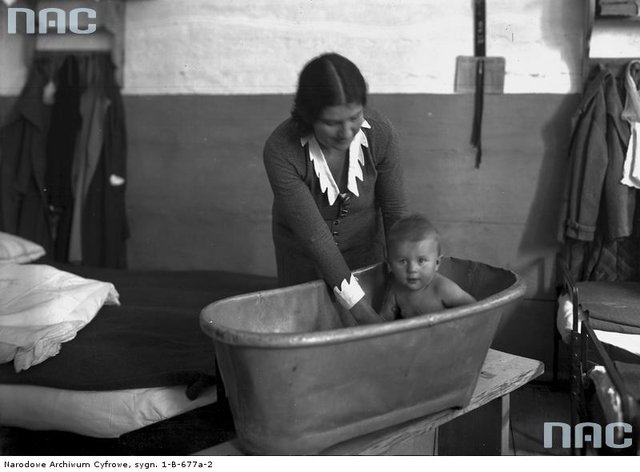
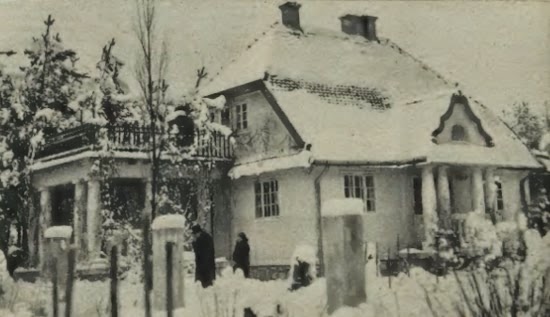
In 1924, Gorgonowa secured employment as a governess and housekeeper for Henryk Zaremba, a prominent architect residing in Brzuchowice near Lwów. She eventually engaged in a romantic affair with Zaremba, bearing him a daughter in 1928. This relationship bred severe animosity with Zaremba's teenage children, particularly 17-year-old Elżbieta (Lusia), who openly resented the governess.
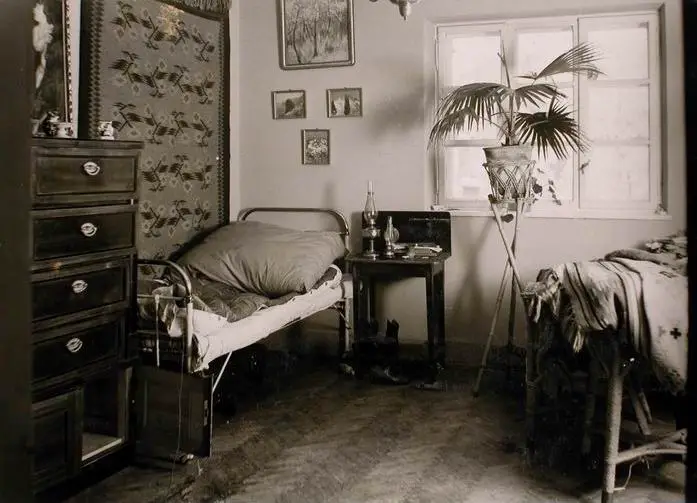
On the night of December 30–31, 1931, Lusia Zaremba was bludgeoned to death in her bed with a heavy instrument, likely an ice pick. Police investigators concluded the perpetrator was an insider: there were no signs of forced entry, no footprints in the snow around the sills, and the family dog failed to raise an alarm. The assailant attempted to simulate a sexual assault to deflect suspicion.
3. Investigation and Forensic Pursuit
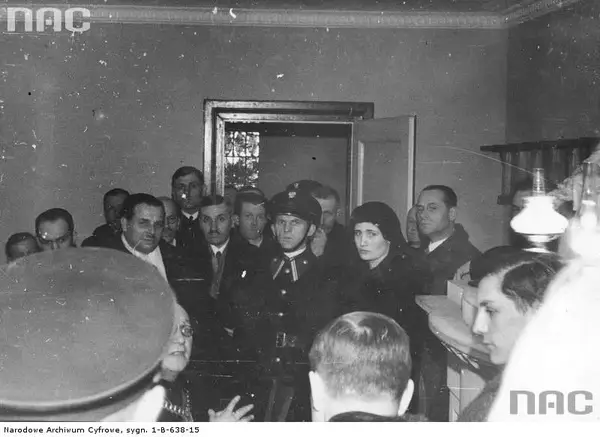
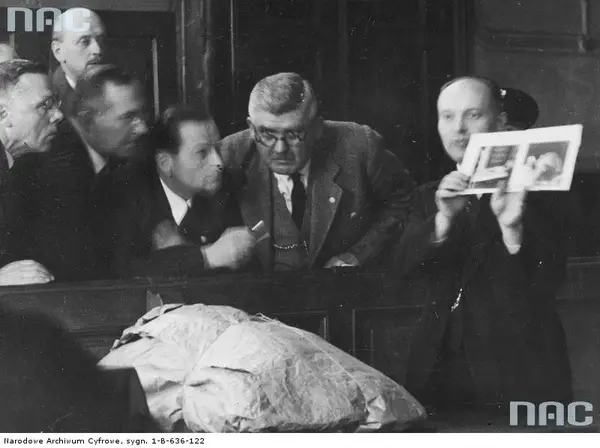
Discovered by the victim's younger brother, the crime scene yielded circumstantial evidence pointing directly at Gorgonowa, including blood traces on her sheepskin coat. The investigation became a landmark in Polish forensic history, sparking intense debate among legal experts and scientists, notably prominent immunologist Ludwik Hirszfeld, who challenged the reliability of the prosecution's serological evidence.
4. Legal Proceedings and Outcome
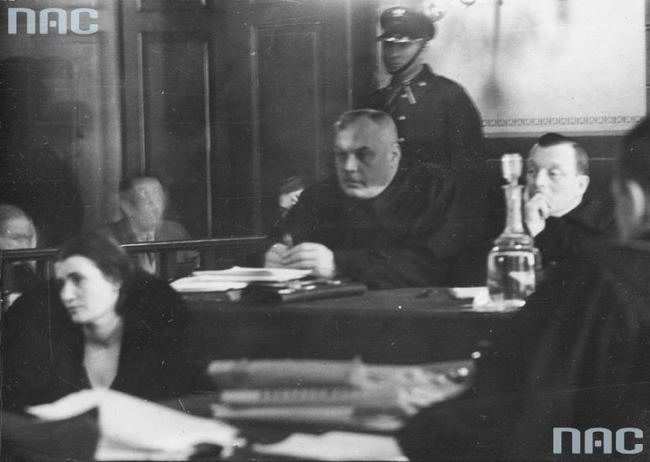
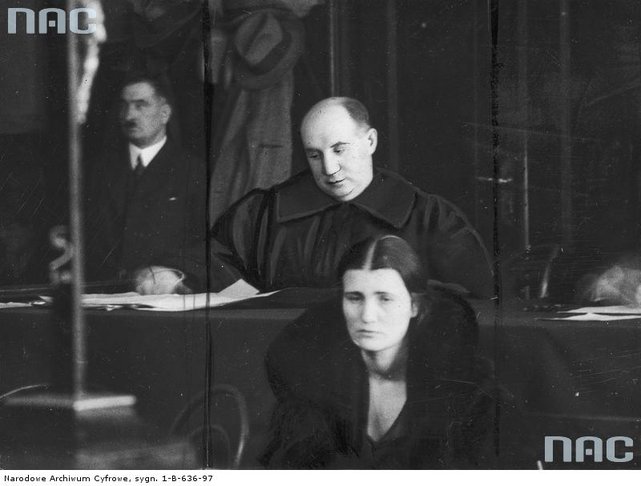
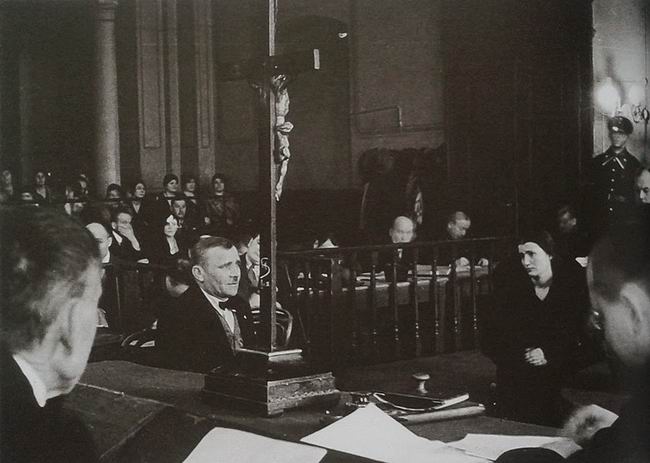
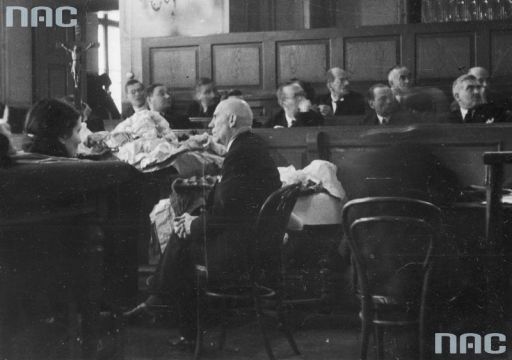
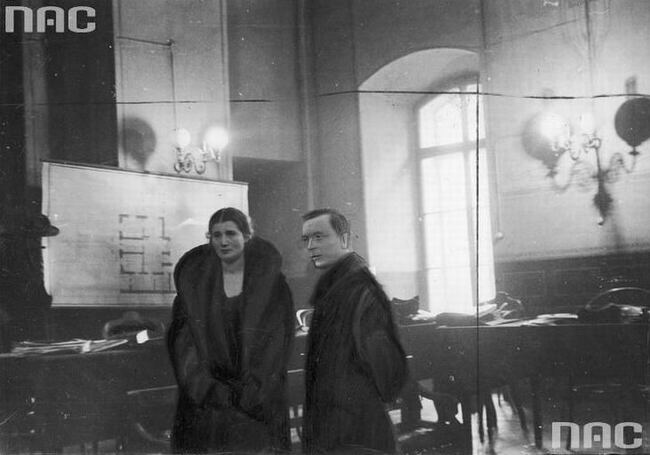
Referred to as the trial of the century in interwar Poland, the initial proceedings at the District Court in Lwów resulted in a death sentence on May 14, 1932. Following successful appeals by her defense counsel citing procedural errors, the Supreme Court ordered a retrial. In April 1933, a Krakow court commuted the sentence to eight years' imprisonment.
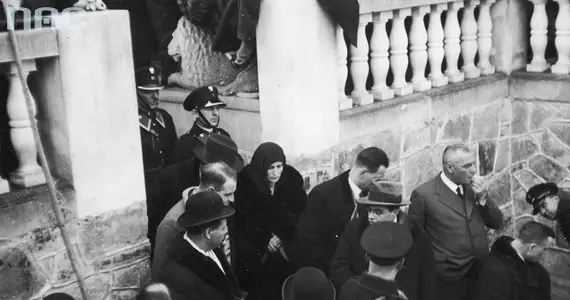
Gorgonowa remained incarcerated until September 3, 1939, when the outbreak of World War II and the German invasion caused the collapse of the penal system, leading to her release. Her exact fate after 1939 remains unverified, with competing theories suggesting she either survived quietly in Silesia or relocated overseas.