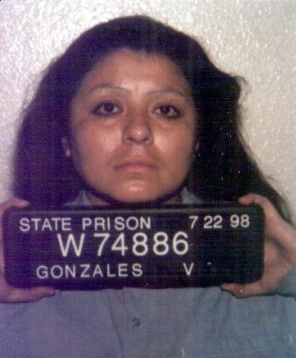





Forensic & Criminological Matrix
| Parameter | Forensic Detail |
|---|---|
| Forensic Heading / Aliases | Veronica Gonzales |
| Legal Identity | Veronica Utilia Gonzales |
| Confirmed Victims | 1 (Genny Rojas, age 4) |
| Active Timeline | 1995 |
| Jurisdiction / Area of Operations | Chula Vista, California, United States |
| Criminological Classification | Filicidal / Child Homicide Perpetrator (Severe Child Abuse Murder) |
| Forensic Modus Operandi | Systematic physical torture, severe beatings, burning with hair dryers and scalding water, prolonged confinement, and suspension by extremities in closets. |
| Weapon / Mechanism of Death | Blunt force, thermal energy (hair dryer, boiling water), restraints for suspension. |
| Motive / Behavioral Dynamics | Chronic methamphetamine abuse, severe domestic dysfunction, and extreme sadistic abuse directed toward a vulnerable minor. |
| Judicial Outcome | Sentenced to death in July 1998; death sentence unanimously upheld by the Supreme Court of California in June 2011. |
1. Background and Psychopathy
Veronica Utilia Gonzales resided in Chula Vista, California, alongside her husband Ivan Gonzales and their six children. Their domestic environment was severely compromised by substance abuse, specifically crystal methamphetamine dependency, which heavily impacted their behavioral regulation. In early 1995, Gonzales agreed to take in her four-year-old niece, Genny Rojas, whose mother was undergoing drug rehabilitation and whose father was incarcerated for child molestation.
2. Crime Spree and Modus Operandi
For approximately six months, four-year-old Genny Rojas was subjected to an escalating and systematic campaign of horrific abuse and torture orchestrated by Veronica and Ivan Gonzales. Forensic investigations revealed repeated beatings, facial and bodily burns inflicted with a hair dryer, and prolonged confinement where the child was handcuffed and suspended from a closet rod. On July 21, 1995, the abuse culminated when the victim was forced into bathwater heated to extreme temperatures, causing her skin to peel off and resulting in death by thermal burns over a harrowing two-hour period.
3. Police Investigation and Forensic Hunt
Law enforcement intervention was triggered on the night of July 21, 1995, following neighbor reports of crying and a violent impact within the Gonzales apartment. Confronted by authorities, the perpetrators initially attempted to conceal the crime by feigning ignorance and delaying emergency calls. Crime scene analysis and subsequent autopsy reports completely dismantled their evasive claims, revealing extensive, overlapping trauma across the victim's body that clearly established months of severe physical torture.
4. Legal Proceedings and Outcome
In May 1998, a jury found Veronica Gonzales guilty of first-degree murder with special circumstances of torture and mayhem. Superior Court Judge Michael Wellington sentenced her to death in July 1998. Her husband, Ivan, was tried separately and likewise received the death penalty, making them the first married couple in California history placed on death row for the same capital offense. Although the defense argued battered woman syndrome and impairment due to methamphetamine use, evidence established that Veronica was the dominant aggressor within the household.
5. Psychiatric Evaluation and Final Disposition
Expert evaluations confirmed that while methamphetamine use impaired aspects of her judgment, Gonzales retained full cognitive capacity to comprehend her unlawful conduct. On June 2, 2011, the California Supreme Court officially affirmed her conviction and death sentence in People v. Gonzales, solidifying her status on California's death row.