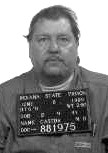






Forensic & Criminological Matrix
| Parameter | Forensic Detail |
|---|---|
| Forensic Heading / Aliases | None |
| Legal Identity | Nelson Gongora |
| Confirmed Victims | 1 |
| Attributed / Indicted Victims | 1 |
| Active Timeline | 2001 |
| Jurisdiction / Area of Operations | Tarrant, Texas, USA |
| Criminological Classification | Murderer, gang leader |
| Forensic Modus Operandi | Armed robbery followed by summary execution |
| Weapon / Mechanism of Death | .38 caliber handgun |
| Motive / Behavioral Dynamics | Robbery and gang status consolidation |
| Judicial Outcome | Death sentence (appealed) |
1. Background and Profile
Nelson Gongora was a prominent leader of the 'Puro Li'l Mafia' (PLM) street gang in Texas. His criminal profile is defined by deep-seated involvement in gang violence and street-level criminal activity. Despite holding various manual labor jobs, his primary identity was rooted in the hierarchy of the PLM, where he exercised significant influence over younger members.
2. Crime Spree
On the night of April 7, 2001, Gongora and his associates (Carlos Almanza, Albert Orosco, Steven Gongora, and James Luedtke) targeted Delfino Sierra for a robbery. Upon confronting the victim, Gongora shot him in the head with a .38 caliber handgun as Sierra attempted to flee. Gongora later bragged to his companions about the killing. The group was also involved in a retaliatory drive-by shooting against a rival gang member's house later that same night.
3. Investigation and Arrest
The investigation relied on witness testimony and forensic links to the vehicle used in the crime. Juan Vargas, initially a co-defendant, eventually provided a truthful statement to Detective Carlos Ortega, identifying Gongora as the shooter after overcoming his fear of gang retaliation. Gongora was arrested on June 19, 2001, following the issuance of a warrant.
4. Legal Proceedings and Outcome
In March 2003, a jury convicted Gongora of capital murder. The trial involved complex legal arguments regarding the 'law of parties' and the admissibility of mitigation evidence from family members. Despite multiple appeals challenging the constitutionality of the Texas death penalty scheme and the prosecutor's conduct, the Texas Court of Criminal Appeals affirmed the conviction and the death sentence.