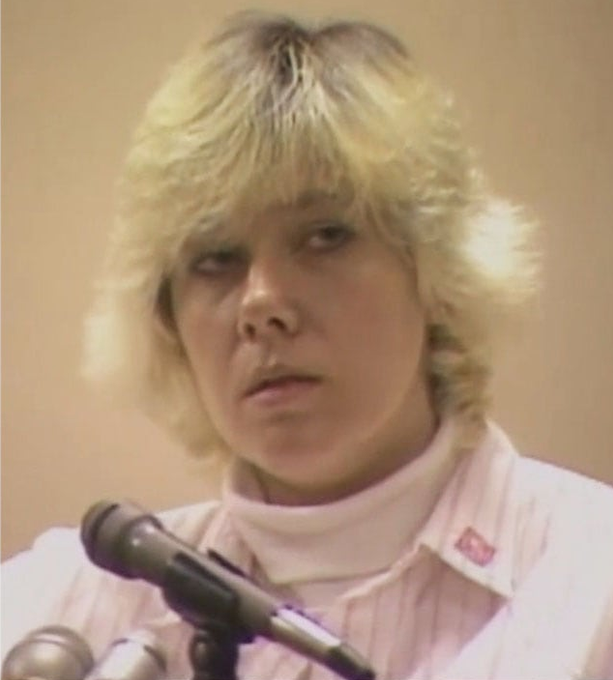




Forensic & Criminological Matrix
| Parameter | Forensic Detail |
|---|---|
| Forensic Heading / Aliases | The Jewish Lizzie Borden |
| Legal Identity | Rita Gluzman |
| Confirmed Victims | 1 (Yakov Gluzman) |
| Active Timeline | April 6, 1996 |
| Jurisdiction / Area of Operations | Pearl River, New York / Upper Saddle River, New Jersey, USA |
| Criminological Classification | Conspiratorial spousal homicide / Extreme domestic violence |
| Forensic Modus Operandi | Domestic ambush, multiple blunt-force trauma assaults using axes, followed by post-mortem dismemberment using a hacksaw and scalpel to destroy forensic evidence. |
| Weapon / Mechanism of Death | Axes, hacksaw, scalpel |
| Motive / Behavioral Dynamics | Marital breakdown, refusal to accept divorce, socio-economic grievances, and asset disputes |
| Judicial Outcome | Initially sentenced to life imprisonment in 1997 under the Violence Against Women Act (VAWA); released on compassionate health grounds in 2020. |
1. Background and Profile
Rita Gluzman first gained prominent public attention in the 1970s as a young Soviet émigré who successfully campaigned for the release and emigration of her husband, renowned microbiologist Yakov Gluzman, from the Soviet Union. Backed by human rights advocates and high-ranking U.S. officials, she projected an image of fierce determination. Decades later, however, the marital dynamic in the United States deteriorated severely due to personal incompatibilities, financial disputes, and Yakov's decision to file for divorce to pursue a new life in Israel.
2. Crime Spree
On April 6, 1996, driven by intense bitterness over the impending divorce and the prospective loss of her socioeconomic status, Rita Gluzman conspired with her cousin and employee, Vladimir Zelenin, to murder Yakov. The perpetrators ambushed him inside his apartment in Pearl River, New York, striking him repeatedly in the head with axes. Following the homicide, they dismembered his body in the bathtub into more than 65 pieces using a hacksaw and a scalpel, attempting to dispose of the remains in garbage bags thrown into the Passaic River in New Jersey.
3. Investigation and Arrest
The investigation accelerated when a police officer witnessed Vladimir Zelenin disposing of suspicious bags in the Passaic River, leading to his immediate arrest covered in blood. Because physical evidence at the primary crime scene was insufficient for a traditional state murder prosecution, federal authorities stepped in. Rita Gluzman remained at large for six days until she was located and apprehended on April 12, 1996, in a guest cabin at Cold Spring Harbor Laboratory on Long Island.
4. Legal Proceedings and Outcome
The case marked a milestone in American jurisprudence as one of the first homicide convictions under the federal Violence Against Women Act (VAWA) of 1994, predicated on crossing state lines to commit domestic violence. In January 1997, a federal jury found Gluzman guilty. On May 1, 1997, Judge Barrington D. Parker Jr. sentenced her to life imprisonment.
5. Psychiatric Assessment and Aftermath
Court evaluations depicted Gluzman as a highly capable and determined individual whose psychological stability disintegrated around the trauma of marital dissolution and perceived betrayal. After serving over twenty years of her life sentence, Gluzman was released from federal custody on compassionate health grounds in 2020.