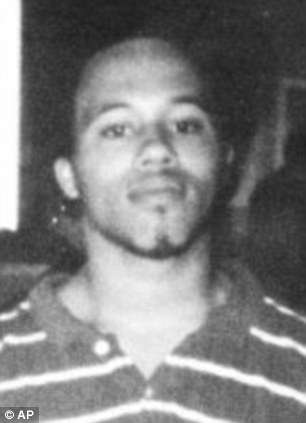
Forensic & Criminological Matrix
| Parameter | Forensic Detail |
|---|---|
| Forensic Heading / Aliases | Robert Charles Gleason Jr. |
| Legal Identity | Robert Charles Gleason Jr. |
| Confirmed Victims | 3 |
| Attributed / Indicted Victims | 3 |
| Active Timeline | 2007-2009 |
| Jurisdiction / Area of Operations | Virginia, USA |
| Criminological Classification | Serial Killer (Prison-based) |
| Forensic Modus Operandi | Manual strangulation and mechanical asphyxia |
| Weapon / Mechanism of Death | Hands, ligatures, physical force |
| Motive / Behavioral Dynamics | Psychopathy, death penalty pursuit |
| Judicial Outcome | Death penalty (Executed 2013) |
1. Background and Profile
Robert Charles Gleason Jr. was a violent offender whose criminal trajectory ended within the Virginia Department of Corrections. His history was marked by severe antisocial behavior and a disregard for human life, which escalated significantly during his incarceration.
2. Criminal Career and Modus Operandi
Gleason's crimes occurred within the prison system. In 2007, he strangled his cellmate, Aaron Cooper. In 2009, he murdered two other inmates, Harvey Watson and Julio Mora. His modus operandi involved the calculated use of physical force and ligatures to ensure the death of his victims in controlled environments.
3. Investigation and Arrest
The investigation was conducted by prison authorities and state investigators. Given the nature of the crimes occurring in high-security settings, the perpetrator was identified immediately. Gleason's cooperation with the prosecution was a strategic move to accelerate his execution.
4. Legal Proceedings and Outcome
Gleason waived his rights to appeal, consistently demanding the death penalty. The court proceedings confirmed his guilt in all three counts of murder. He remained defiant throughout the trial, expressing no remorse for his actions.
5. Psychiatric Evaluation and Final Outcome
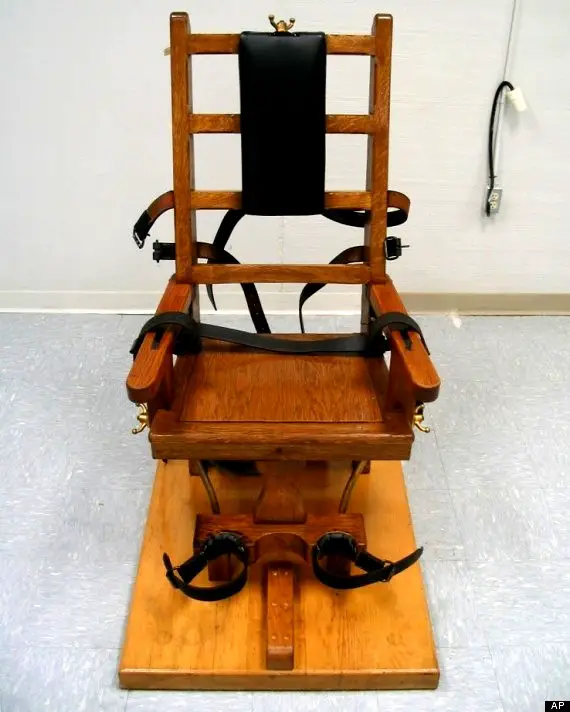
Robert Gleason was executed by electrocution on January 16, 2013. His final statements confirmed his intent to die, marking the end of a case that highlighted the complexities of managing high-risk, violent offenders within the penal system.