Forensic & Criminological Matrix
| Parameter | Forensic Detail |
|---|---|
| Forensic Heading / Aliases | null |
| Legal Identity | George Clifton Gilmore |
| Confirmed Victims | 5 |
| Attributed / Indicted Victims | 5 |
| Active Timeline | 1979-1980 |
| Jurisdiction / Area of Operations | St. Louis, Missouri |
| Criminological Classification | Serial Killer |
| Forensic Modus Operandi | Home invasion, binding victims, execution by shotgun, and use of accelerants |
| Weapon / Mechanism of Death | 12-gauge shotgun |
| Motive / Behavioral Dynamics | Financial gain and witness elimination |
| Judicial Outcome | Death penalty (Executed) |
1. Background and Profile
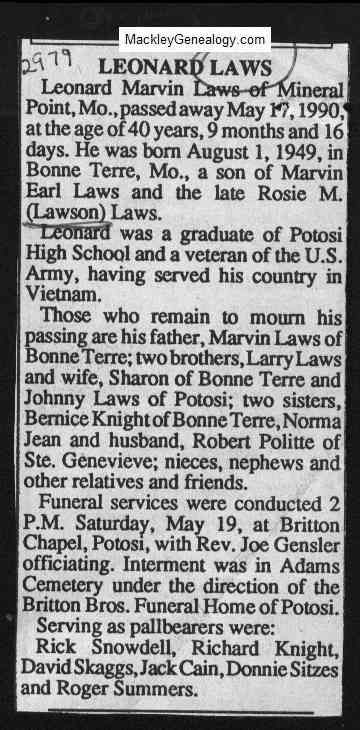
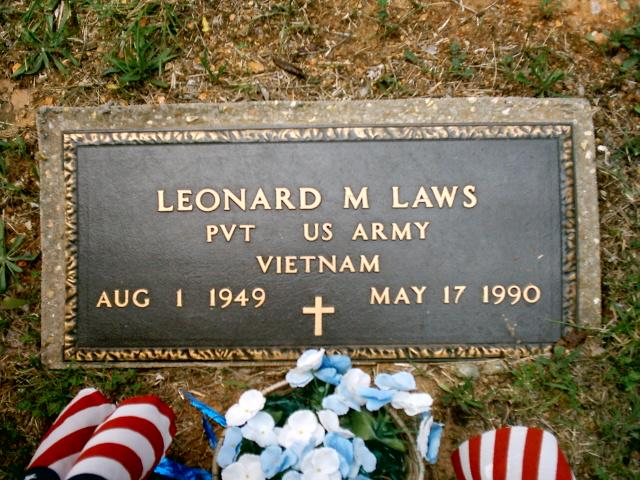
George Clifton Gilmore was born in 1946 into a family environment plagued by chronic alcoholism. Forensic evaluations, including testimony from psychiatrist Dr. Peter Heinbecker, revealed that Gilmore suffered from fetal alcohol syndrome and organic brain damage, with an intellectual capacity comparable to that of a twelve-year-old child. His adult life was characterized by unemployment and social marginalization, living in a trailer with his brother Norman and accomplice Leonard Laws.
2. Criminal Career and Modus Operandi
Gilmore and his associates targeted elderly individuals, viewing them as vulnerable prey. Their modus operandi involved breaking into homes, binding victims with clothesline, and ransacking the premises. To ensure no witnesses remained, they executed the victims with a 12-gauge shotgun. In the case of Clarence and Lottie Williams, they doused the home with kerosene to destroy evidence, with Gilmore returning to shoot Clarence Williams a second time when he attempted to flee.
3. Investigation and Arrest
The investigation concluded after relatives Robert Gilmore and Bobby DeClue reported the crimes to the police. On January 2, 1981, authorities orchestrated a sting operation, arresting George Gilmore and Leonard Laws at a police roadblock, while Norman Gilmore was apprehended in Franklin County.
4. Legal Proceedings and Outcome
Gilmore was convicted of five murders, including that of Mary Luella Watters in 1979. Despite numerous appeals regarding mitigating evidence and jury instructions, his death sentence was upheld by the Eighth Circuit Court of Appeals and the Supreme Court. His legal challenges were ultimately dismissed on procedural grounds.
5. Forensic Psychiatric Evaluation and Execution
George Clifton Gilmore was executed by lethal injection on August 31, 1990, at the Potosi Correctional Center in Missouri. He offered no final words. His execution marked the fifth in Missouri since the resumption of capital punishment in 1976.