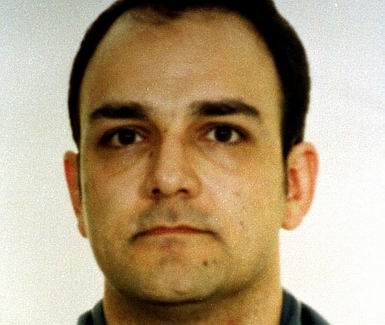





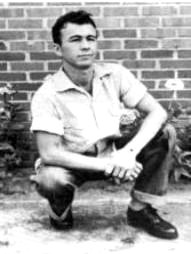
Forensic Profile Datasheet: Gerald Eugene Stano ("The Florida Hitchhiker Slayer")
| Forensic Parameter | Evaluation Details |
|---|---|
| Full Legal Name | Gerald Eugene Stano (born Paul Zeininger) |
| Criminological Landmark | The Florida Hitchhiker Slayer (Prolific Southeast Highway Serial Killer) |
| Date & Place of Birth | September 12, 1951 — Schenectady, New York, United States |
| Date & Place of Execution | March 23, 1998 (aged 46) — Florida State Prison (Old Sparky), Starke, Florida |
| Method of Execution | Electrocution via electric chair |
| Criminological Classification | Organized serial killer / Itinerant highway predator |
| Confirmed Fatalities | 9 formal convictions for first-degree murder; confessed to 41 young women slain |
| Active Operational Span | 1969 – April 1980 |
| Geographic Scenes | Interstate 95 corridor, Volusia and Brevard County wetlands (Florida) and New Jersey |
| Primary Modus Operandi | Abduction of female hitchhikers and sex workers, multiple stab wounds, point-blank shootings, and manual strangulation |
| Key Interrogating Investigator | Detective Sergeant Paul Crow (Daytona Beach Police Department) |
| Forensic Diagnosis | Callous antisocial personality disorder, predatory misogyny, and narcissistic retaliation for social rejection |
Background, Adoption, and School Rejections
Born Paul Zeininger in Schenectady, New York, in 1951, he was placed for adoption at six months old after suffering severe maternal neglect. Adopted by Eugene and Norma Stano, he took the name Gerald Eugene Stano.
Throughout childhood, Stano suffered from persistent enuresis, learning delays, and poor coordination, becoming a frequent target of peer ridicule. In high school, he experienced pervasive academic failure and was systematically rejected by young women. To compensate for profound feelings of inadequacy, Stano harbored compensatory sociopathic fantasies of violent domination over women.
After completing basic trade schooling in food service, Stano worked as a short-order cook and service-station attendant across New Jersey before relocating with his adoptive parents to Daytona Beach, Florida, in the mid-1970s.
The Florida Highway Slayings (1969–1980)
Stano's killings commenced in New Jersey in late 1969 with the slaying of Pennsylvania teenager Cathy Scharf. However, his homicidal activity peaked in Florida between 1973 and 1980.
Cruising the Interstate 95 corridor, US Route 1, and roadside turnouts in his passenger vehicle, Stano targeted female hitchhikers, stranded motorists, and young sex workers.
Luring victims inside with offers of transportation, Stano pulled a handgun or hunting blade once clear of town limits. Forcing them to disrobe, he drove deep into isolated scrub pine flatwoods and swamp drainage canals. There, he executed them through frenzied stabbing, close-range gunshots to the head, or strangulation, dumping their remains in water channels where alligators and Florida heat expedited decomposition.
Apprehension and the Paul Crow Confessions (1980)
On April 1, 1980, an injured woman flagged down police in Daytona Beach: a motorist had picked her up, driven into the woods, and repeatedly stabbed her, but she managed to leap from the moving car. She provided a partial license number and vehicle description.
Hours later, Daytona Beach police arrested Gerald Eugene Stano.
Detective Sergeant Paul Crow grasped Stano's psychology immediately. Employing non-confrontational, empathetic interviewing techniques, Crow established rapport. Over dozens of recorded debriefs and field visits across Volusia and Brevard counties, Stano confessed to murdering 41 young women across a decade-long spree, providing verified crime scene locations and ballistic specifics unknown to the public.
Trials, Appeals, and Electrocution
Between 1981 and 1984, Stano stood trial across several Florida judicial circuits. While implicated in over forty deaths, prosecutors secured nine formal first-degree murder convictions, including the slayings of Cathy Lee Scharf, Susan Bickrest, and Janine Lombard.
Stano received eight life terms and a death sentence for the capital murder of Cathy Scharf.
Incarcerated on Florida's death row at Starke for fourteen years, Stano attempted to recant his confessions in late appellate petitions, asserting Detective Crow had coerced him. State and federal appellate courts rejected all petitions.
On March 23, 1998, Gerald Eugene Stano was strapped into Florida's electric chair (Old Sparky). He was pronounced dead at 7:15 a.m., concluding one of the deadliest serial highway murder chapters in American criminology.