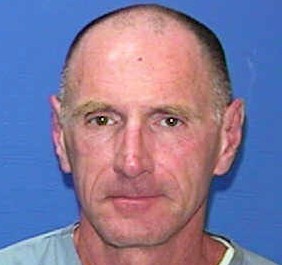






Forensic & Criminological Matrix
| Parameter | Forensic Detail |
|---|---|
| Forensic Heading / Aliases | None |
| Legal Identity | Bernard Eugene Giles |
| Confirmed Victims | 5 |
| Attributed / Indicted Victims | 5 |
| Active Timeline | 1973 |
| Jurisdiction / Area of Operations | Titusville, Florida, USA |
| Criminological Classification | Serial Killer |
| Forensic Modus Operandi | Abduction of hitchhikers, sexual assault, and homicide |
| Weapon / Mechanism of Death | Strangulation / Asphyxiation |
| Motive / Behavioral Dynamics | Sexual predator / Mental disorder |
| Judicial Outcome | Multiple life sentences |
1. Background and Profile
Born in 1953, Bernard Eugene Giles became a notorious figure in Florida's criminal history during the early 1970s. His criminological profile is characterized by predatory behavior targeting young women. He was judicially diagnosed as a mentally disturbed sex offender, a classification that significantly impacted his sentencing and initial institutionalization.
2. Criminal Career and Modus Operandi
Over a two-month period in late 1973, Giles terrorized the Titusville area. He targeted women hitchhiking along local roads. His confirmed victims were Nancy Gerry (18), Paula Hamric (22), Carolyn Bennett (17), Sharon Wimer (14), and Kristi Melton (15). The victims' bodies were discovered in various stages of decomposition within local orange groves.
3. Investigation and Arrest
Law enforcement authorities in Titusville initiated an intensive investigation following the discovery of the bodies. Giles was apprehended in December 1973. Upon interrogation, he provided a full confession to the murders. He also faced charges related to armed robbery and attempted rape, further establishing his violent criminal trajectory.
4. Legal Proceedings and Outcome
In April 1974, Giles was tried for the murder of Nancy Gerry. Judge David U. Strawn declared him a mentally disturbed sex offender. In August 1974, Giles pleaded guilty to the murders of the four other victims, receiving four consecutive life sentences to be served at hard labor, in addition to his previous conviction.
5. Psychiatric Evaluation and Conclusion
Following his sentencing, the court ordered Giles to be sent to a state hospital for treatment. Under Florida statute at the time, his transition to a standard prison facility was contingent upon being declared 'cured' by state psychiatrists, highlighting the intersection of forensic psychiatry and the criminal justice system in his case.