Forensic & Criminological Matrix
| Parameter | Forensic Detail |
|---|---|
| Forensic Heading / Aliases | N/A |
| Legal Identity | Paul Geidel Jr. |
| Confirmed Victims | 1 |
| Attributed / Indicted Victims | 1 |
| Active Timeline | 1911 |
| Jurisdiction / Area of Operations | New York, United States |
| Criminological Classification | Robbery-homicide offender |
| Forensic Modus Operandi | Hotel room assault using chloroform and strangulation |
| Weapon / Mechanism of Death | Chloroform and physical force (strangulation) |
| Motive / Behavioral Dynamics | Financial gain (robbery) |
| Judicial Outcome | Life imprisonment (68 years served) |
1. Background and Profile
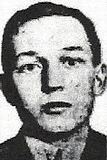
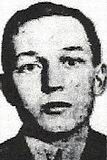
Paul Geidel Jr. (1894–1987) was an American inmate whose case gained historical significance due to the extreme length of his incarceration. Entering the prison system at age 17, he became a subject of interest for criminologists studying long-term sentencing and rehabilitation.
2. Crime Spree
In 1911, while employed as a bellhop at a New York hotel, Geidel targeted a guest for robbery. During the commission of the crime, he utilized chloroform to subdue the victim, which resulted in the victim's death. The incident was legally processed as a homicide during a robbery.
3. Investigation and Arrest
Law enforcement quickly identified Geidel as the perpetrator, given his employment status and access to the victim's room. The investigation concluded shortly after the crime, leading to his immediate arrest.
4. Legal Proceedings and Outcome
Geidel was convicted and sentenced to life imprisonment. He served 68 years in prison, a duration that placed him in the Guinness World Records as one of the longest-serving inmates in U.S. history before his parole in 1980.
5. Psychiatric Evaluation and Conclusion
After nearly seven decades of incarceration, Geidel was released on parole. He lived his final years as a free man, passing away in 1987. His case remains a benchmark in American legal history regarding the impact of long-term incarceration.