Forensic & Criminological Matrix
| Parameter | Forensic Detail |
|---|---|
| Forensic Heading / Aliases | N/A |
| Legal Identity | Carl Newton Mahan |
| Confirmed Victims | 1 |
| Attributed / Indicted Victims | 1 |
| Active Timeline | May 18, 1929 |
| Jurisdiction / Area of Operations | Paintsville, Kentucky, USA |
| Criminological Classification | Juvenile Homicide |
| Forensic Modus Operandi | Firearm usage (12-gauge shotgun) following physical altercation |
| Weapon / Mechanism of Death | 12-gauge shotgun |
| Motive / Behavioral Dynamics | Dispute over scrap metal ownership |
| Judicial Outcome | Initial manslaughter conviction, later overturned |
1. Background and Profile
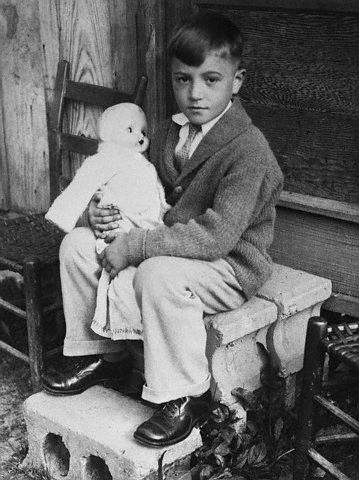
Carl Newton Mahan was born in 1922 in the coal-mining town of Paintsville, Kentucky. In 1929, at the age of 6, he became the youngest murder defendant in the history of Kentucky and likely the United States. His profile was shaped by the socio-economic hardships of the Great Depression era.
2. Crime Spree
On May 18, 1929, Mahan engaged in a dispute with 8-year-old Cecil Van Hoose over a piece of scrap metal they intended to sell. After being slapped by Van Hoose, Mahan retreated to his home, retrieved his father's 12-gauge shotgun, and after shouting a warning, discharged the weapon, killing the victim.
3. Investigation and Arrest
Arrest occurred on the same day as the incident. Local authorities took the 6-year-old into custody, where he provided a statement detailing the altercation and the retrieval of the family weapon.
4. Legal Proceedings and Outcome
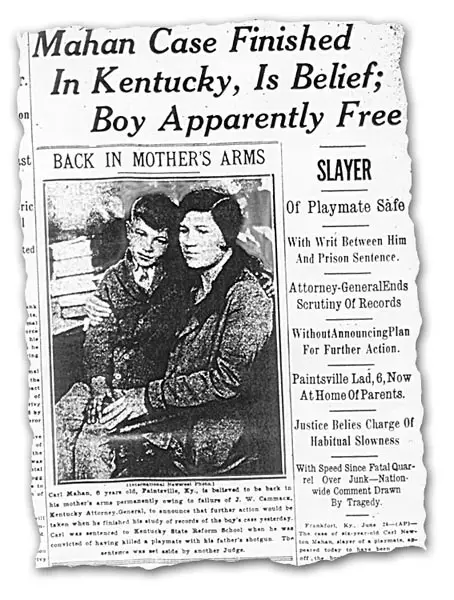
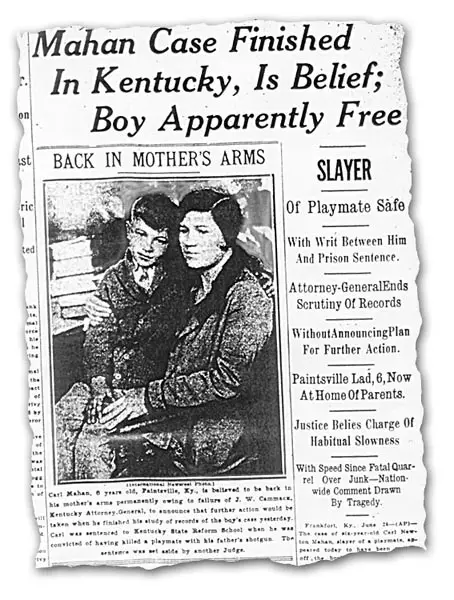
The trial took place within a week. Mahan was convicted of manslaughter and sentenced to 15 years in a reform school. The case sparked national outcry and legal appeals. A Circuit Court judge eventually set aside the conviction, ruling that the county judge had exceeded his authority by subjecting a 6-year-old to a criminal jury trial.
5. Psychiatric Assessment and Aftermath
The Kentucky Attorney General reviewed the case and ultimately took no action, allowing the boy to remain with his parents. Mahan lived the remainder of his life outside of correctional facilities, eventually moving to Jefferson County, where he died in 1958 at the age of 35.