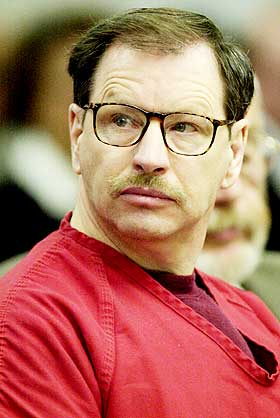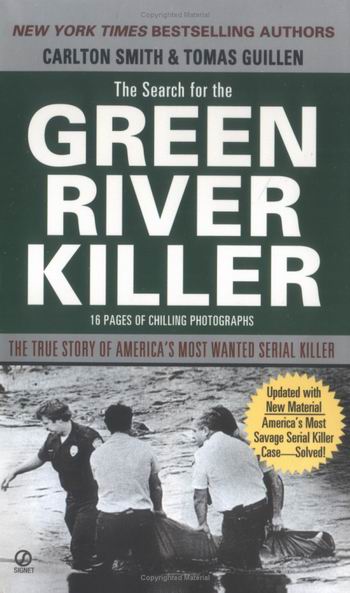




Forensic Profile Datasheet: Gary Leon Ridgway ("The Green River Killer")
| Forensic Parameter | Evaluation Details |
|---|---|
| Full Legal Name | Gary Leon Ridgway |
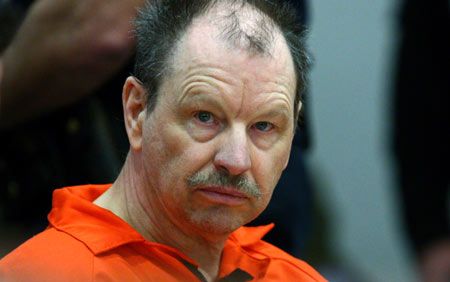
| Criminological Landmark | The Green River Killer (The Most Prolific Convicted Serial Murderer in US History) |
| Date & Place of Birth | February 18, 1949 — Salt Lake City, Utah, United States |
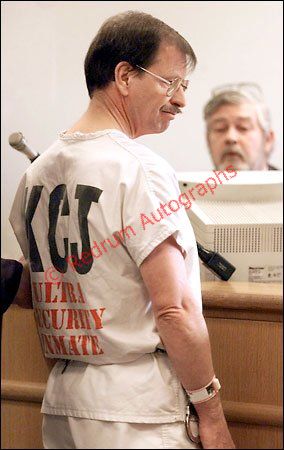
| Current Penal Status | Serving 49 consecutive life sentences without possibility of parole at Washington State Penitentiary (Walla Walla, WA) |
| Criminological Classification | Organized serial predator / Serial necrophile / Lust murderer |
| Confirmed Fatalities | 49 convictions via formal judicial plea; confessed to at least 71 homicides |
| Active Operational Span | 1982 – 1998 (hyper-prolific killing phase: 1982–1984) |
| Hunting & Disposal Zones | Pacific Highway South corridor (Highway 99), Green River banks, King and Snohomish counties, Washington, and Oregon |
| Method of Homicide | Mechanical asphyxiation via manual strangulation or ligature (cords, clothing straps) |
| Post-Mortem Pathology | Compulsive serial necrophilia; returned repeatedly to decompose clusters over weeks |
| Forensic DNA Breakthrough | 2001 Short Tandem Repeat (STR) DNA matching from frozen semen evidence collected in 1987 |
| Investigative Task Force | Green River Task Force (largest, most protracted serial homicide investigation in American history) |
Childhood Trauma, Enuresis, and Sublimated Matriarchal Rage
Gary Leon Ridgway was born in Salt Lake City in 1949 and raised in McMicken Heights near Seattle, Washington. His domestic environment was defined by an overbearing, sexually aggressive, and volatile mother who routinely subjected him to severe verbal humiliation and forced public washings following bedwetting episodes that persisted into late adolescence.
This profound relational trauma engendered a ferocious, compartmentalized misogyny wherein female sexuality was perceived as degrading and vile. In adolescence, Ridgway harbored violent homicidal fantasies against his mother. Possessing a borderline IQ of approximately 82 yet exhibiting exceptional predatory cunning and spatial geographic memory, he served aboard supply tenders in Vietnam before securing a 32-year career as a commercial truck painter at the Kenworth Truck Co. plant in Renton, Washington.
Outwardly, Ridgway maintained a spotless, hyper-conventional facade: thrice married, a loving father, an industrious employee, and an outwardly pious churchgoer who wept openly at Sunday sermons and carried a pocket Bible.
The Green River Slaughter (1982–1984)
Beginning in the summer of 1982, King County became the killing field for the deadliest serial murder wave in American history.
Ridgway prowled the late-night prostitution strolls along Pacific Highway South (Highway 99) in his pickup truck. Targeting teenage runaways and vulnerable street sex workers, he lured them into his vehicle by displaying framed photographs of his young son to disarm their survival instincts.
Transporting victims to secluded woodland cul-de-sacs or to his residential home when his family was away, he ambushed them from behind, choking them to death with his bare hands or heavy ligatures. He strictly avoided firearms to evade acoustic detection.
He systematically dumped the corpses in clusters across densely forested ravines along the Green River, Kent, Des Moines, and Mount North Bend. He stripped them naked to impede identification, discarded their jewelry and shoes miles away, and revisited the burial caches over subsequent weeks to engage in repeated acts of necrophilia with the decomposing remains until decay made it impossible.
The Manhunt: The Green River Task Force
As dozens of female bodies washed ashore or were unearthed in King County ravines, authorities established the Green River Task Force, an elite multi-agency unit headed by Detective David Reichert and forensic consultant Robert Keppel (who even debriefed death-row inmate Ted Bundy in Florida to assess the killer's psychology).
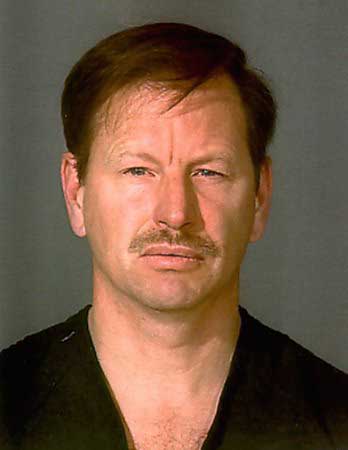
In 1983, the boyfriend of missing woman Marie Malvar noted the license plate of a pickup truck into which she was last seen entering: it belonged to Gary Ridgway. Questioned by detectives, Ridgway passed a polygraph examination due to his remarkable pathological calmness. In 1987, police executed search warrants on his residence and obtained hair and saliva swabs; however, early forensic technology was unable to derive conclusive DNA profiles from the biological traces. For the next fourteen years, Ridgway went about his daily life unmolested.
The Forensic STR DNA Revolution and Arrest (2001)
In 2001, King County Sheriff David Reichert ordered cold-case evidence resubmitted to the Washington State Patrol Crime Laboratory.
Utilizing groundbreaking Short Tandem Repeat (STR) PCR genetic typing, forensic scientists successfully extracted a single male DNA profile from minute seminal residues retrieved from three early victims (Opal Mills, Marcia Chapman, and Cynthia Hinds). The profile yielded a 1-in-several-billion exact statistical match to the saliva swab taken from Gary Ridgway in 1987.
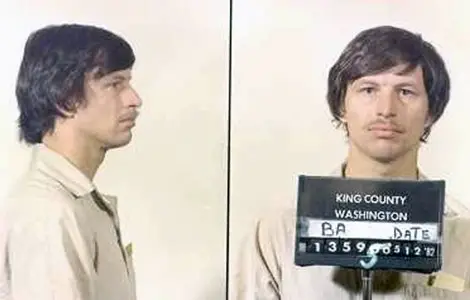
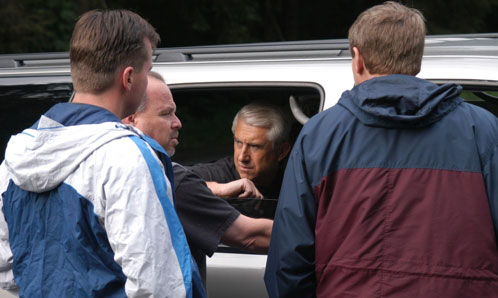
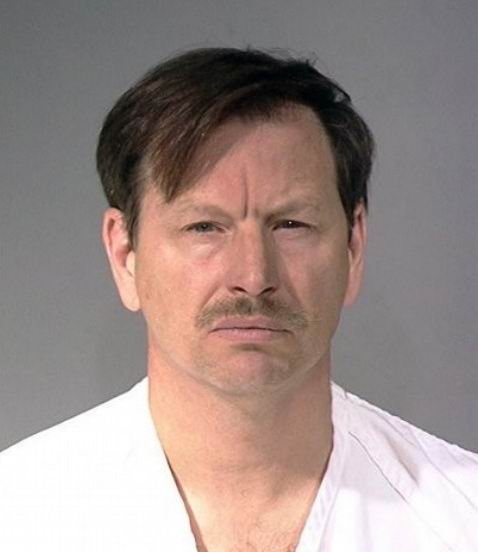
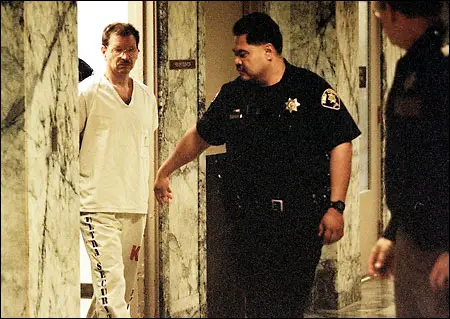
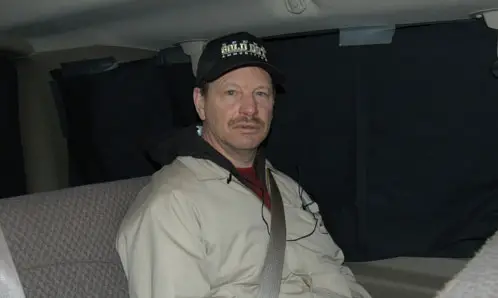
On November 30, 2001, as he walked out of the Kenworth truck manufacturing facility in Renton, Task Force detectives surrounded Ridgway's vehicle and arrested him for capital murder.
The Historic Plea Bargain and Confession Tour
Facing the death penalty, King County Prosecuting Attorney Norm Maleng negotiated an extraordinary judicial plea agreement in 2003: in exchange for sparing Ridgway from execution, the killer agreed to provide complete confessions and lead investigators to every hidden burial site across the Pacific Northwest.
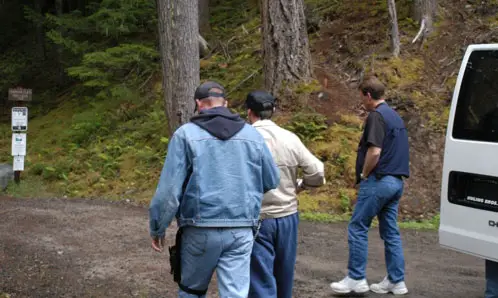
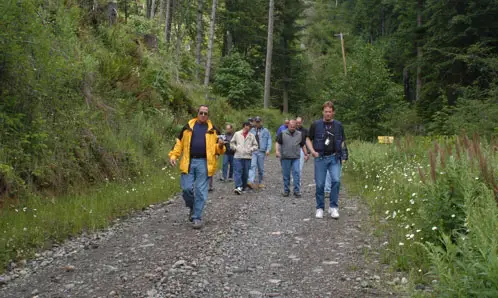
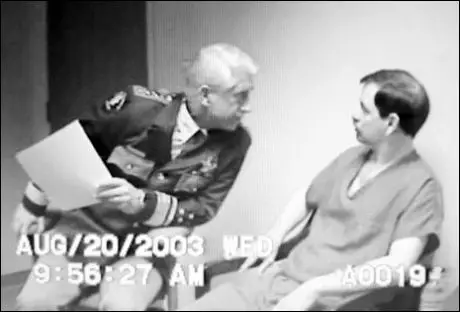
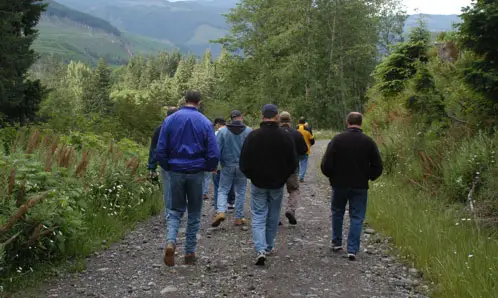
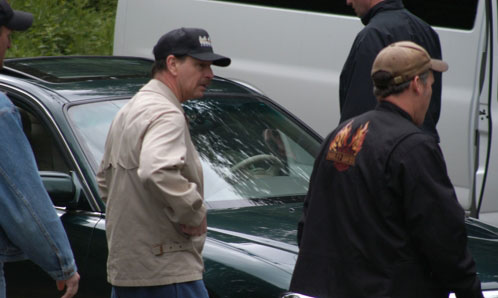
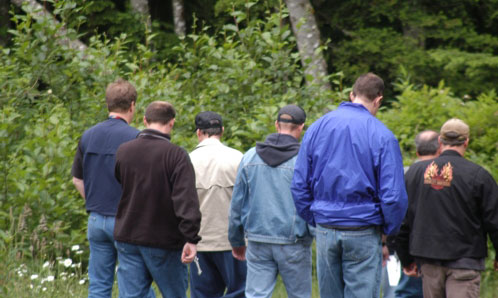
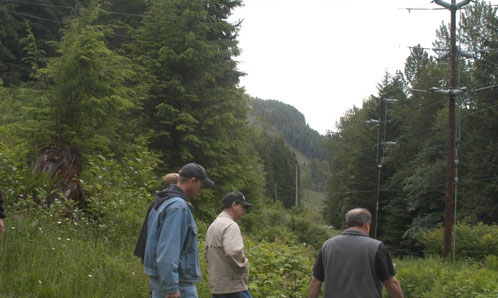
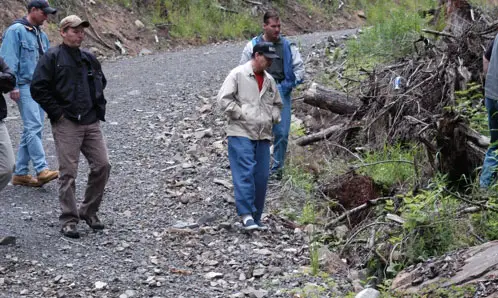
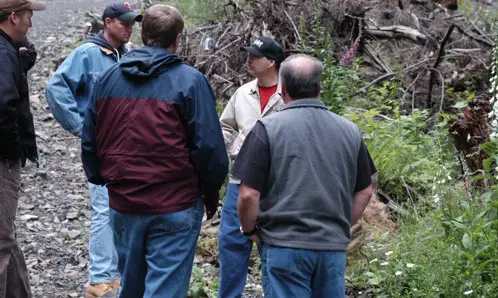
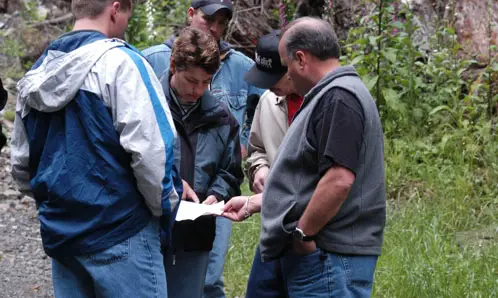
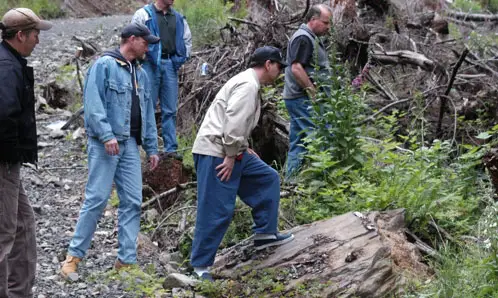
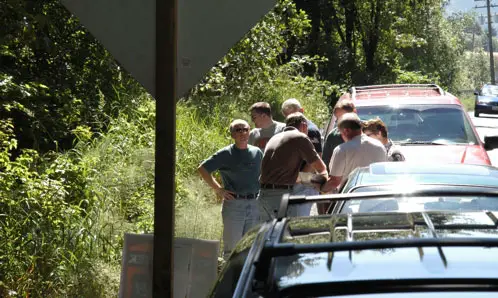
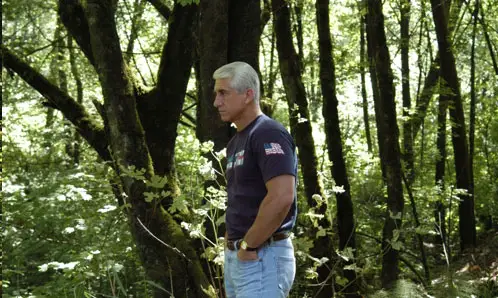
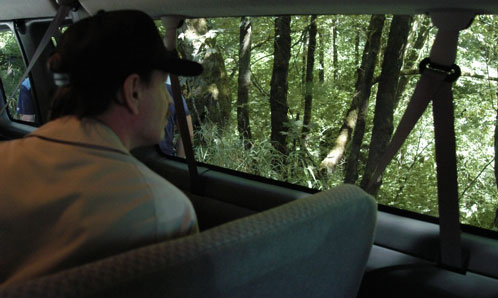
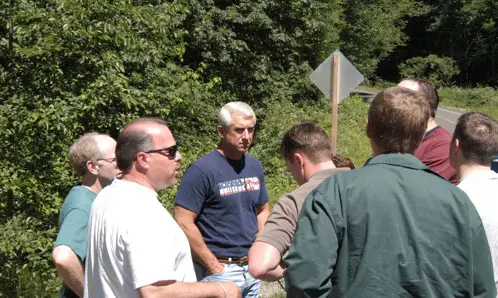
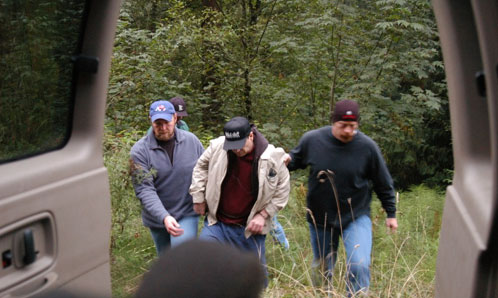
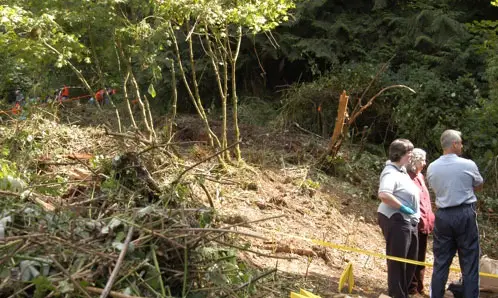
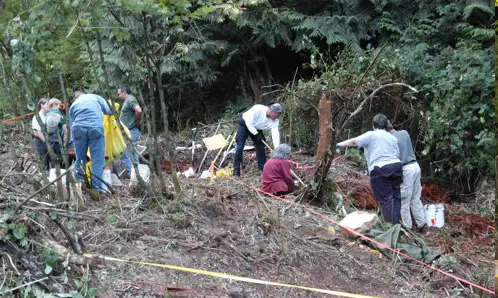
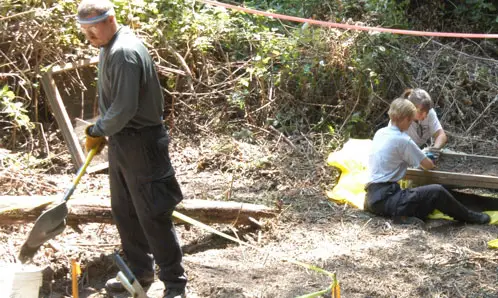
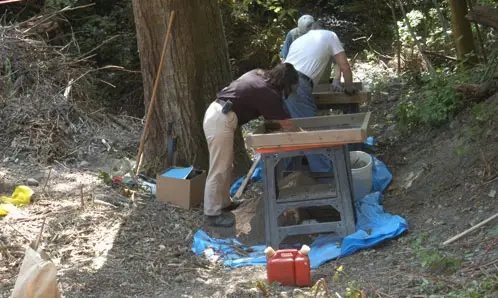
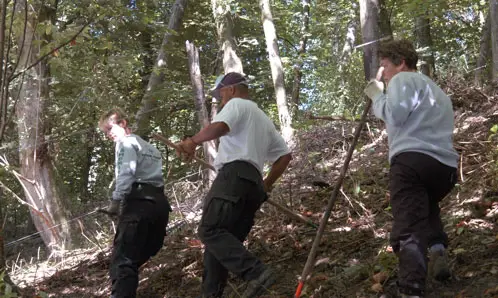
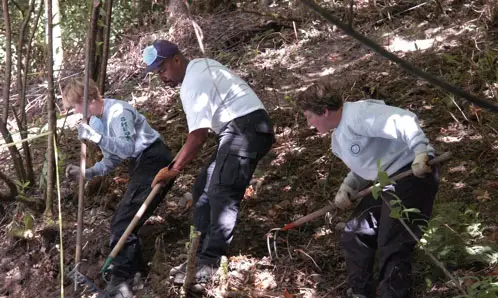
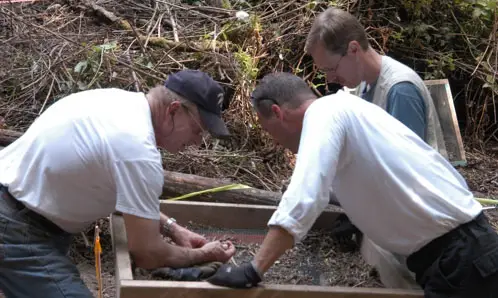
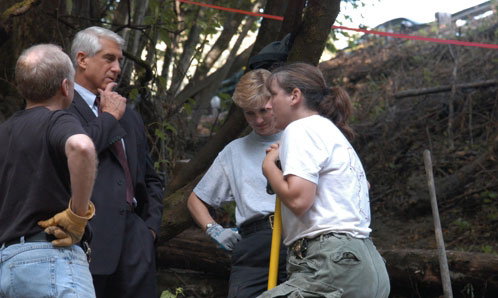
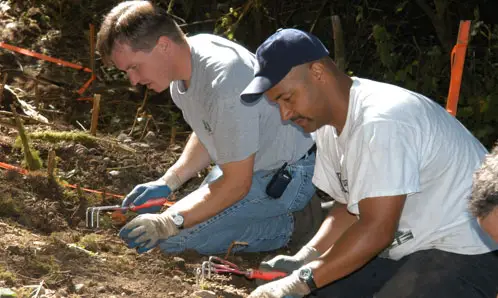
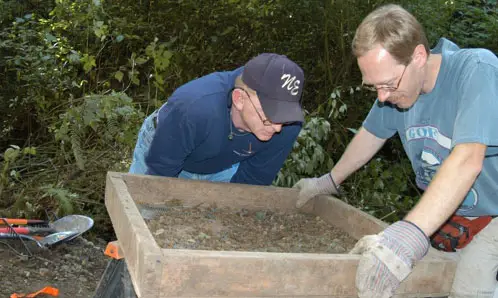
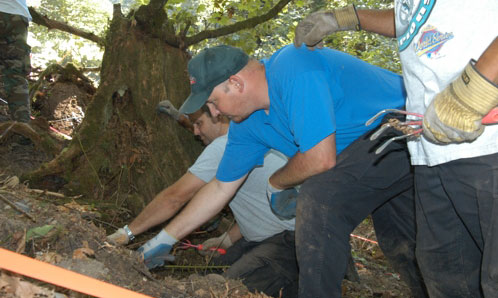
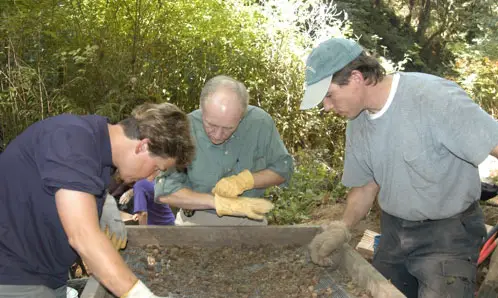
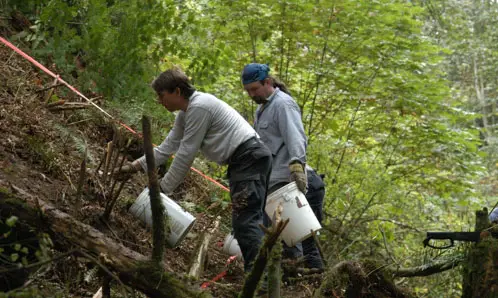
Throughout the summer of 2003, a shackled Ridgway escorted detectives through Washington's remote wilderness, pinpointing skeletal remains buried under decades of forest floor. In taped interrogations, he articulated his sociopathy with chilling detachment:
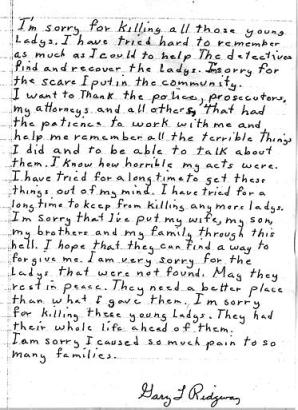
"I killed so many women I lost count... I chose prostitutes because they were easy to pick up, and nobody would report them missing right away. I hated them."
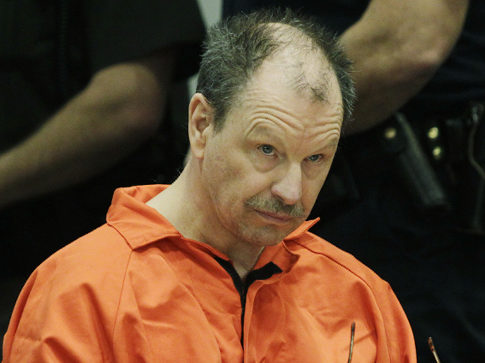
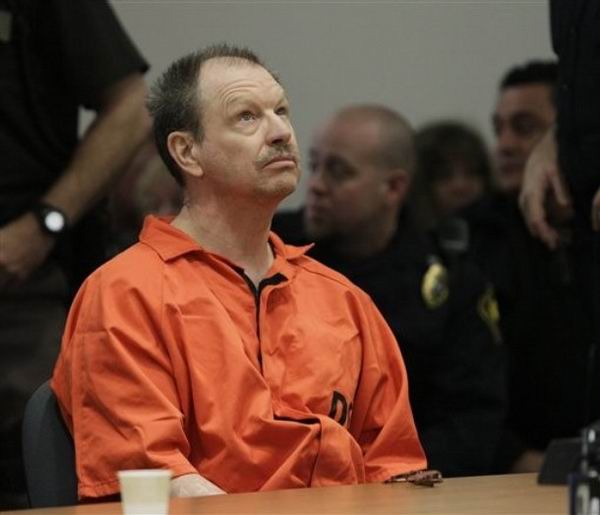
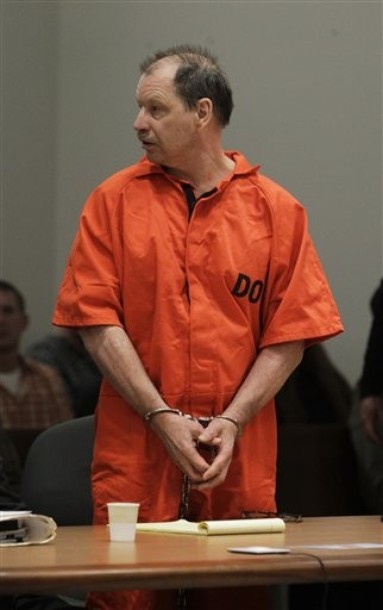
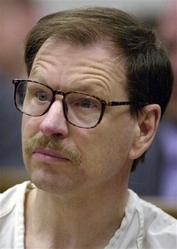
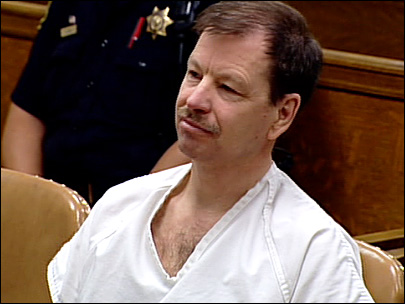
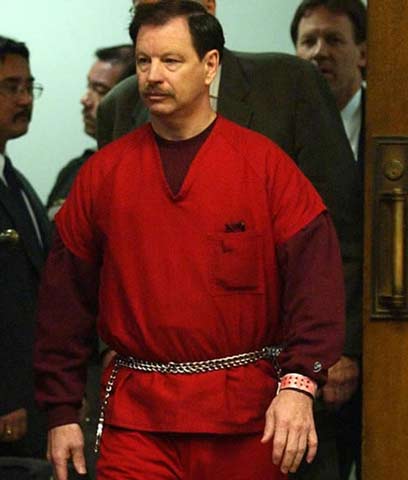
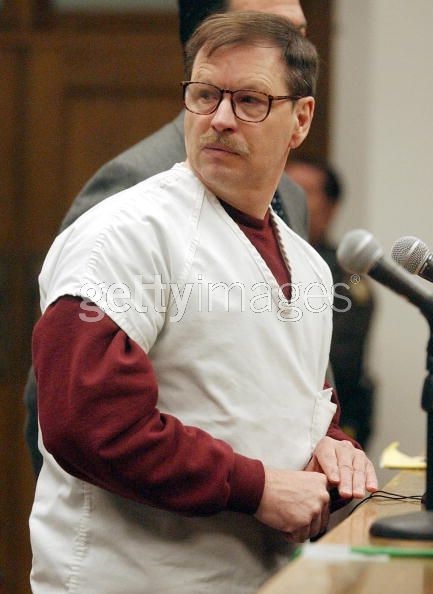
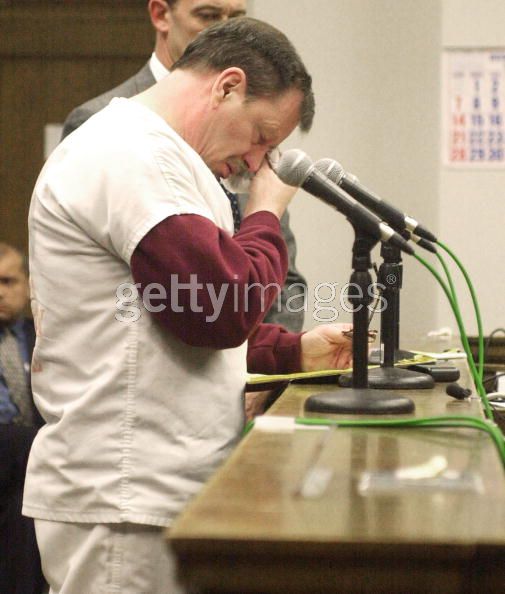
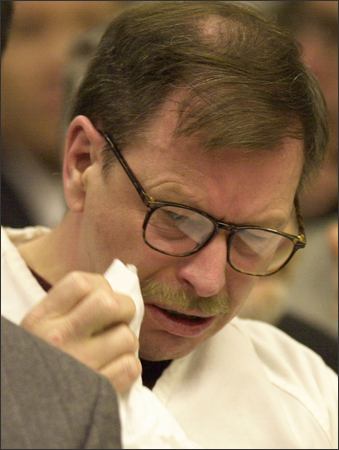
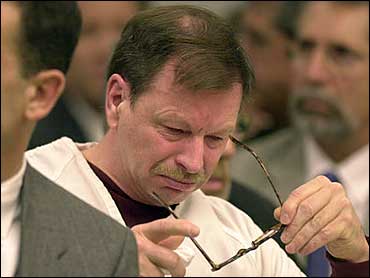
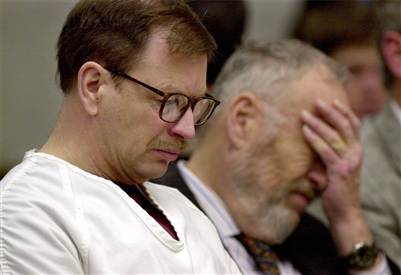
On November 5, 2003, Gary Leon Ridgway pleaded guilty to 48 counts of aggravated first-degree murder (expanded to 49 in 2011 with the recovery of Rebecca Marrero). Presiding Judge Richard Jones sentenced him to 49 consecutive life sentences without parole, plus 480 years for evidence tampering.
Incarcerated in continuous solitary confinement at the Washington State Penitentiary in Walla Walla, Gary Leon Ridgway stands as the definitive case study in predatory serial lust murder and forensic genetics in world criminology.