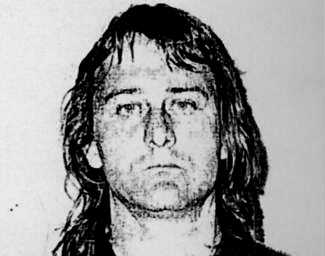
Forensic & Criminological Matrix
| Parameter | Forensic Detail |
|---|---|
| Forensic Heading / Aliases | null |
| Legal Identity | Andrew Peter Garforth |
| Confirmed Victims | 1 |
| Attributed / Indicted Victims | 1 (Felicia Marie Wilson case) |
| Active Timeline | 1979 - 1992 |
| Jurisdiction / Area of Operations | New South Wales and Western Australia |
| Criminological Classification | Sexual predator, child murderer |
| Forensic Modus Operandi | Abduction, sexual assault, and drowning |
| Weapon / Mechanism of Death | Drowning (asphyxiation) |
| Motive / Behavioral Dynamics | Sexual predation and psychopathy |
| Judicial Outcome | Life imprisonment without parole |
1. Background and Profile
Andrew Peter Garforth (born 1963) is an Australian offender whose criminal career reached a peak with the 1992 murder of Ebony Jane Simpson. His psychological profile is marked by a lack of remorse and predatory behavior.
2. Crime Spree
On August 19, 1992, Garforth abducted nine-year-old Ebony Jane Simpson in Bargo, New South Wales. He forced her into his car trunk, drove to a remote location, sexually assaulted her, and drowned her in a dam at the Wirrimbirra Sanctuary. He is also a suspect in the 1979 unsolved murder of Felicia Marie Wilson in Perth.
3. Investigation and Arrest
Following the abduction of Simpson, police quickly identified Garforth. The investigation into the 1979 cold case of Felicia Marie Wilson was reopened in the 1990s after NSW police provided information linking Garforth to the crime, based on reports of him having nightmares about the victim.
4. Legal Proceedings and Outcome
Garforth pleaded guilty to the murder of Ebony Simpson. In 1994, he was sentenced to life imprisonment with no possibility of parole. His attempts to appeal to the High Court of Australia were unsuccessful.
5. Psychiatric Evaluation and Conclusion
Throughout his trial, Garforth displayed a lack of genuine remorse. His statement regarding the victim's potential survival was viewed by forensic experts as a manipulative attempt to minimize his culpability.