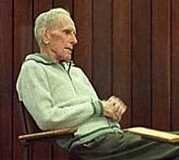





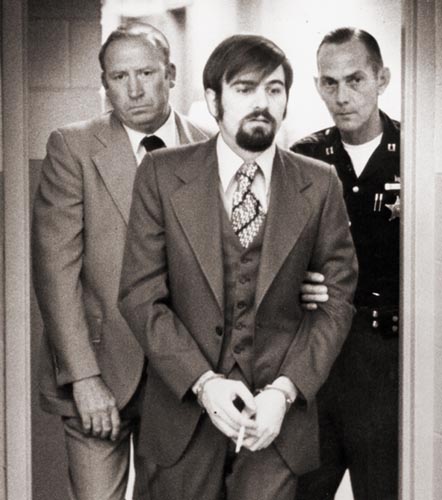
Forensic & Criminological Matrix
| Parameter | Forensic Detail |
|---|---|
| Forensic Heading / Aliases | The Scarlet Pimpernel |
| Legal Identity | Arthur Stanley Brown |
| Confirmed Victims | 0 (Proceedings dismissed due to acquired legal incapacity) |
| Attributed / Indicted Victims | 2 (Judicially for the MacKay sisters); linked as a suspect in other unsolved child abductions |
| Active Timeline | 1970 (MacKay sisters murders); multi-decade history of intrafamilial child sexual abuse |
| Jurisdiction / Area of Operations | Townsville and Queensland region, Australia |
| Criminological Classification | Serial predator / Child sexual abuser (Sexual sadist) |
| Forensic Modus Operandi | Luring minors from public bus stops using a private automobile, transporting them to secluded arid areas, committing sexual assault, and executing victims via asphyxiation or stabbing |
| Weapon / Mechanism of Death | Strangulation, edged weapons, and mechanical asphyxiation by sand |
| Motive / Behavioral Dynamics | Paraphilic disorder (pedophilia), sadism, and predatory exploitation facilitated by flexible employment and unmonitored travel |
| Judicial Outcome | Indicted in 1999 (hung jury). Charges dropped in 2001 following a medical ruling of advanced dementia and Alzheimer's disease; died in 2002 without a criminal conviction |
1. Background and Profile
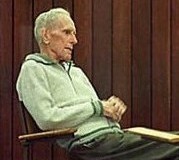
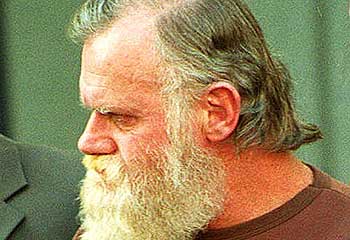
Arthur Stanley Brown was born on May 20, 1912, in Merinda, Queensland. Following his parents' separation, he relocated briefly to Melbourne before returning to Townsville, where he worked as a meatpacker and later as a maintenance carpenter for the Queensland Department of Public Works. His flexible work hours and autonomous schedule earned him the moniker 'The Scarlet Pimpernel' among colleagues, as he could travel unrestricted without direct supervision. Privately, Brown married multiple times into families with children, engaging in systemic, multi-decade child sexual abuse within his extended family that remained concealed through intimidation and family secrecy.
2. Crime Spree and Modus Operandi
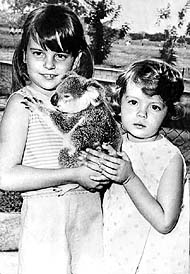
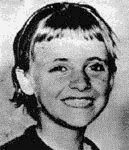
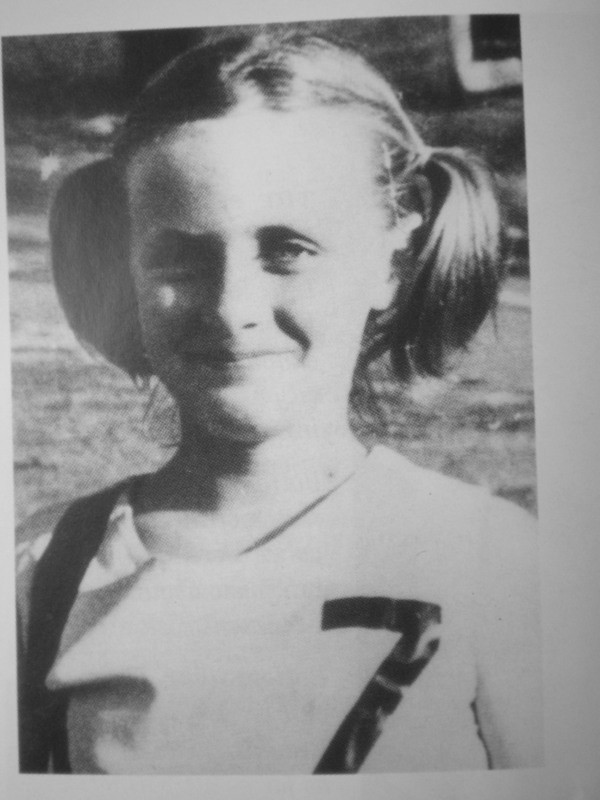
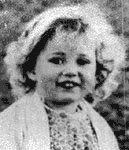
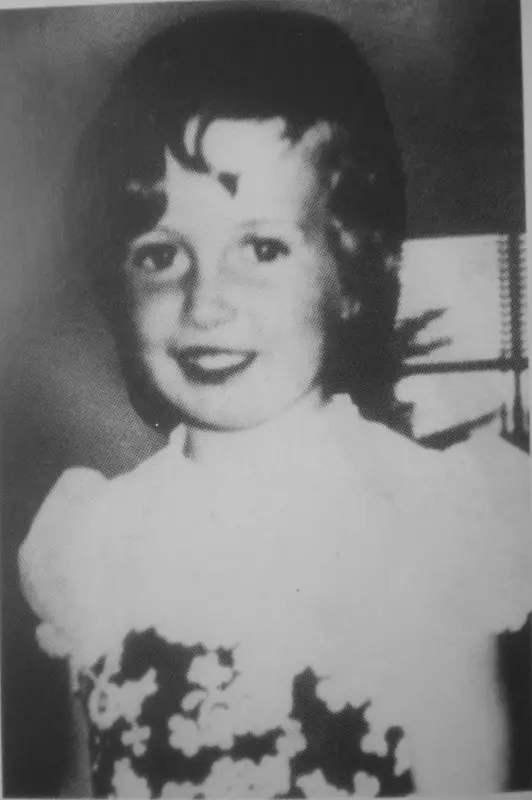
Brown's most infamous attributed crime occurred on August 26, 1970, when seven-year-old Judith MacKay and her five-year-old sister Susan vanished from a school bus stop in Aitkenvale, a Townsville suburb. Their bodies were discovered days later in the dry bed of Antill Creek. Autopsies revealed both girls had been raped and stabbed in the chest, with Judith's cause of death established as mechanical asphyxiation caused by sand forced into her airway. Their school uniforms were meticulously folded beside their bodies, indicating ritualistic post-mortem control. Witnesses corroborated seeing the children in the company of an adult male in a vehicle prior to their disappearance.
3. Investigation and Arrest
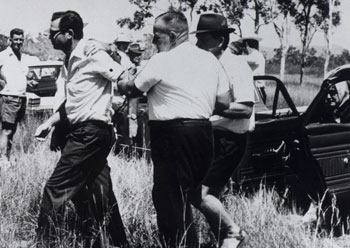
For nearly three decades, the MacKay sisters' murders remained unsolved cold cases. In 1998, following a Crimestoppers broadcast and a tip-off from a female relative whom Brown had abused during her childhood, Queensland Police Sergeant David Hickey reopened the investigation. Authorities accumulated 45 charges related to child sexual offenses and established circumstantial evidentiary links to the 1970 murders, including Brown's suspicious disposal of his vehicle's driver-side door and past incriminating remarks made to acquaintances.
4. Legal Proceedings and Outcome
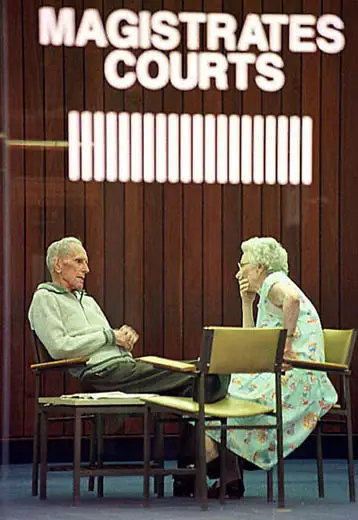
Brown was arrested and charged with rape and the murders of Judith and Susan MacKay. His initial trial in October 1999 ended in a hung jury after the trial judge ruled pedophilia evidence inadmissible as prejudicial. A retrial scheduled for 2000 was halted when defense counsel and family members petitioned for a review of his mental fitness. Following legal appeals by the Attorney-General, independent psychiatric evaluations confirmed that Brown suffered from advanced progressive dementia and Alzheimer's disease, rendering him unfit to stand trial. In July 2001, all charges were officially dismissed.
5. Psychiatric Evaluation and Aftermath
From a criminological standpoint, Arthur Stanley Brown exemplified the predatory offender who utilizes social conformity and professional autonomy to mask severe paraphilic pathologies. Although law enforcement frequently investigated potential links between Brown and other high-profile Australian cold cases—most notably the disappearance of the Beaumont children in Adelaide—the absence of conclusive physical evidence precluded formal indictments. Following the legal termination of his proceedings, Brown resided in a nursing home in Malanda, where he died on July 6, 2002, maintaining his legal status as an unconvicted man.