




Forensic & Criminological Matrix
| Parameter | Forensic Detail |
|---|---|
| Forensic Heading / Aliases | Cynthia Galens |
| Legal Identity | Cynthia Galens |
| Confirmed Victims | 1 (Thomas "Kevin" Stack) |
| Active Timeline | October 2009 |
| Jurisdiction / Area of Operations | Farmington, Ontario County, New York, United States |
| Criminological Classification | Poisoner / Intimate Partner Homicide |
| Forensic Modus Operandi | Surreptitious administration of ethylene glycol (antifreeze) mixed into alcoholic beverages (margaritas) to incapacitate and kill a domestic partner, followed by deliberate delay in emergency response to ensure fatality and evade detection. |
| Weapon / Mechanism of Death | Chemical poisoning (Ethylene glycol / antifreeze ingestion) |
| Motive / Behavioral Dynamics | Retaliation for alleged physical and verbal abuse, domestic conflict, and control over family relationships |
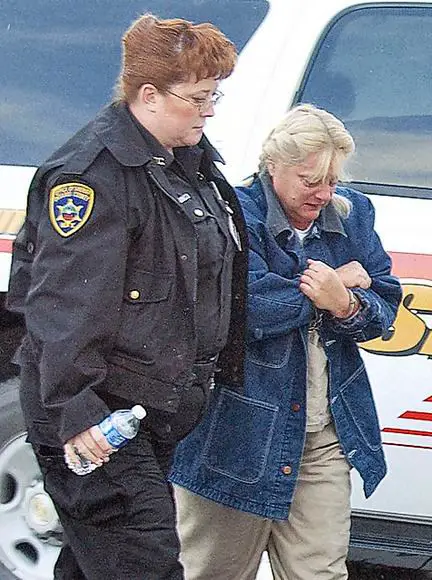
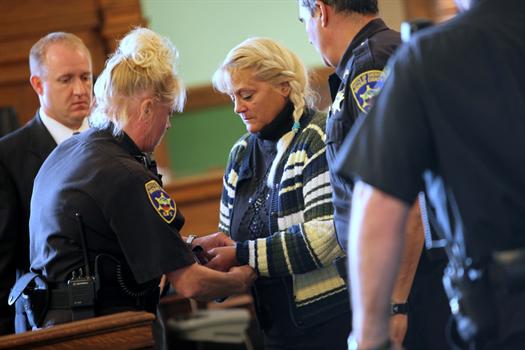
| Judicial Outcome | Convicted in September 2010 of first-degree manslaughter and sentenced to 23 years in New York State prison. |
1. Background and Profile
Cynthia Galens, born in 1958, worked as a clerical assistant in New York State. Her background was marked by significant personal trauma, including the loss of her 19-year-old son Matthew to a drug overdose. Galens met Thomas "Kevin" Stack—a U.S. Air Force veteran and radiation expert suffering from bipolar disorder and severe alcoholism—at a Veterans Affairs hospital. The pair soon moved in together in Farmington, Ontario County, New York.
Their two-year relationship was defined by chronic instability, heavy alcohol consumption, and bitter friction concerning Galens' teenage daughter, Emily. According to defense testimonies, the household experienced mutual accusations of verbal and emotional abuse, creating a volatile domestic environment.
2. Crime Spree and Modus Operandi
In October 2009, domestic tensions escalated into lethal violence. Galens decided to retaliate against Stack by lacing a jug of margarita mix with between 6 and 12 ounces of antifreeze, a toxic substance containing ethylene glycol.
On October 3, 2009, after serving the poisoned drink, Galens left the residence. Upon returning, she found Stack unresponsive and drooling in his chair. Rather than calling emergency services immediately, Galens engaged in a series of evasive maneuvers: she contacted an acquaintance and later her ex-husband, soliciting assistance to dispose of Stack's body while he was still breathing. She delayed calling 911 until approximately 4:30 p.m., subsequently lying to emergency operators and medical personnel to conceal her actions.
3. Investigation and Forensic Hunt
Following Stack's death in October 2009, forensic pathologists at the Monroe County Medical Examiner's Office identified lethal levels of ethylene glycol in the victim's system, prompting a full criminal investigation.
The case broke in January 2010 when Galens confessed her actions to a high school friend, Nancy Cothern, during a trip to Florida. Cothern alerted a police officer in Clearwater, Florida (Darcy Hunt), who notified New York authorities. Subsequent interviews with state police yielded admissions from Galens, who claimed her initial intent was merely to make Stack sick rather than kill him, though she acknowledged the lethal outcome of her actions.
4. Legal Proceedings and Outcome
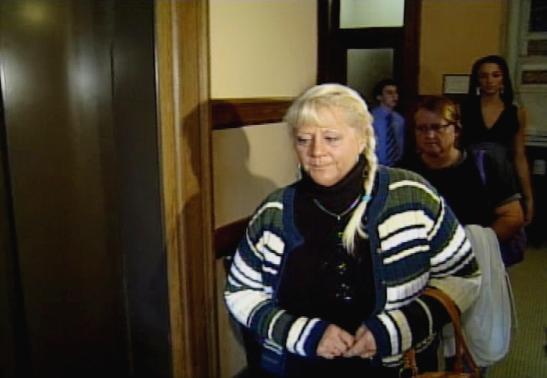
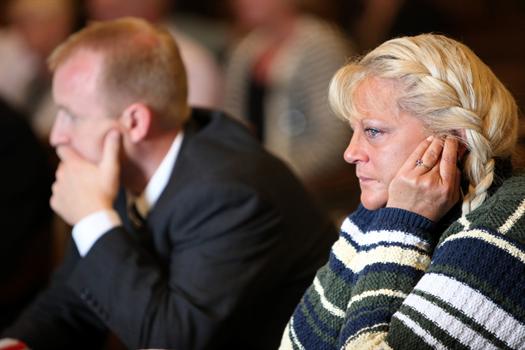
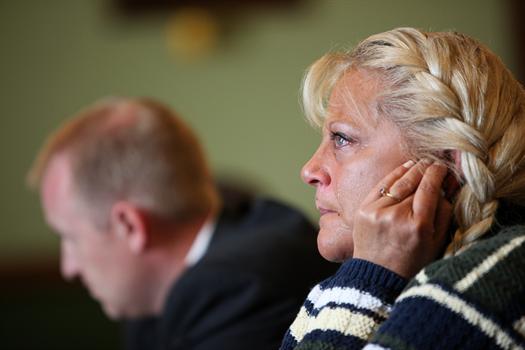
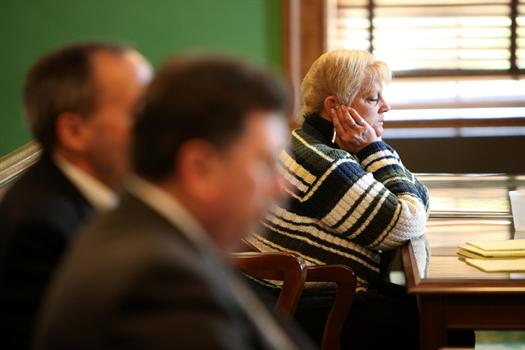
Cynthia Galens' trial took place in September 2010 in the Ontario County Court, presided over by Judge William Kocher, with District Attorney R. Michael Tantillo prosecuting. The state presented overwhelming evidence, including testimony from eleven witnesses, medical expert reports on ethylene glycol toxicity, and damaging testimony from Galens' daughter, Emily, who confirmed her mother's attempts to cover up the crime.
Despite defense arguments by attorney Matthew Mix emphasizing the abusive environment, the jury deliberated for only 90 minutes before convicting Galens of first-degree manslaughter.
5. Psychiatric Evaluation and Sentence
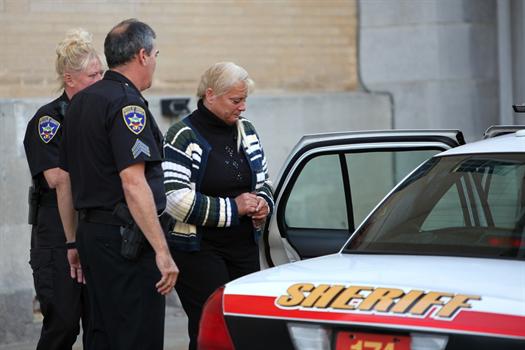
At the sentencing hearing on November 10, 2010, Judge Kocher highlighted the calculated premeditation of the crime, Galens' failure to alter course despite multiple opportunities, and her deliberate deception of medical staff. Having rejected an 18-year plea offer prior to trial, Galens was sentenced to 23 years in state prison, successfully bringing a definitive judicial resolution to an insidious case of domestic chemical homicide.