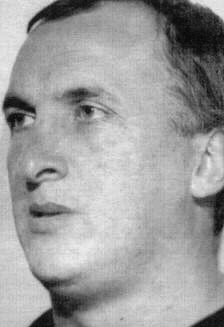
Forensic & Criminological Matrix
| Parameter | Forensic Detail |
|---|---|
| Forensic Heading / Aliases | Raymond Rogers |
| Legal Identity | Samuel James Furnace |
| Confirmed Victims | 1 |
| Attributed / Indicted Victims | 1 |
| Active Timeline | 1933 |
| Jurisdiction / Area of Operations | London, United Kingdom |
| Criminological Classification | Instrumental murderer / Fugitive |
| Forensic Modus Operandi | Homicide by firearm and staged death |
| Weapon / Mechanism of Death | Revolver / Arson |
| Motive / Behavioral Dynamics | Financial desperation |
| Judicial Outcome | Suicide prior to trial |
1. Background and Profile
Samuel James Furnace was a struggling builder facing severe financial distress in London during the early 1930s. Faced with mounting debts and a lack of employment, Furnace devised a desperate plan to escape his circumstances.
2. Crime Spree
On February 20, 1933, Furnace murdered his friend and creditor, Walter Spatchett, using a revolver. Following the homicide, Furnace attempted to conceal the crime and his own identity by setting fire to the house containing the body, intending for authorities to believe he had perished in the blaze.
3. Investigation and Arrest
The Metropolitan Police launched an investigation after the charred remains were discovered. Forensic analysis of the scene and the remains quickly determined that the victim was Spatchett, not Furnace. A nationwide manhunt ensued for Furnace, who had assumed the alias 'Raymond Rogers'.
4. Legal Proceedings and Outcome
The manhunt ended when Furnace was tracked down by authorities. Realizing he had no path to escape, Furnace committed suicide before he could be brought to trial.
5. Psychiatric Assessment and Conclusion
Furnace's case serves as a grim example of criminal desperation. His final note, 'Goodbye all. No work. No money. Sam J Furnace', highlights the psychological collapse resulting from his socioeconomic failure.