Forensic & Criminological Matrix
| Parameter | Forensic Detail |
|---|---|
| Forensic Heading / Aliases | The Grindr Killer |
| Legal Identity | Stephen John Port |
| Confirmed Victims | 4 |
| Attributed / Indicted Victims | 4 |
| Active Timeline | June 2014 - September 2015 |
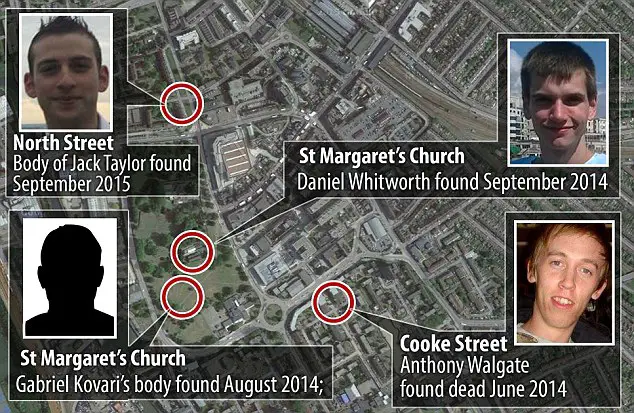
| Jurisdiction / Area of Operations | Barking, London, United Kingdom |
| Criminological Classification | Serial Killer / Serial Rapist |
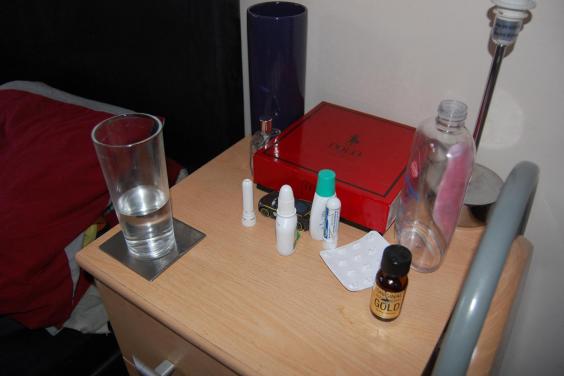
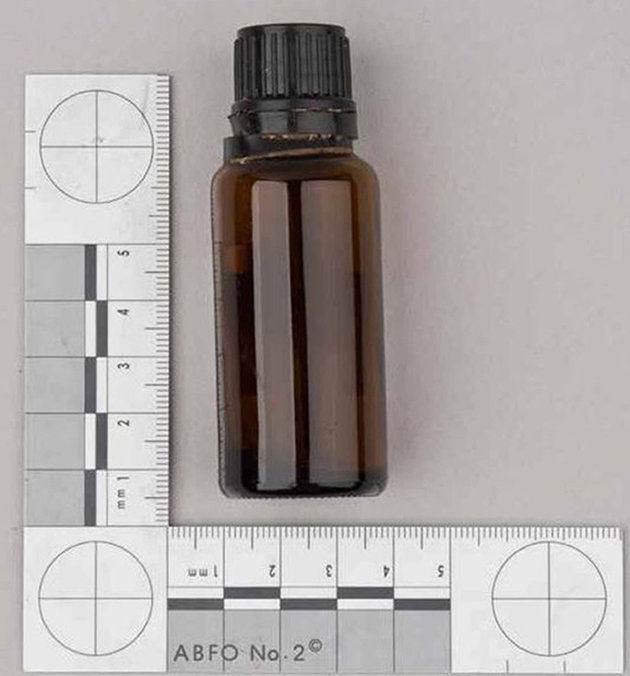
| Forensic Modus Operandi | Surreptitious administration of GHB for incapacitation and sexual assault |
| Weapon / Mechanism of Death | GHB (gamma-Hydroxybutyric acid) overdose |
| Motive / Behavioral Dynamics | Sexual paraphilia and fetishism involving unconscious males |
| Judicial Outcome | Life imprisonment with a whole life order |
1. Background and Psychopathy
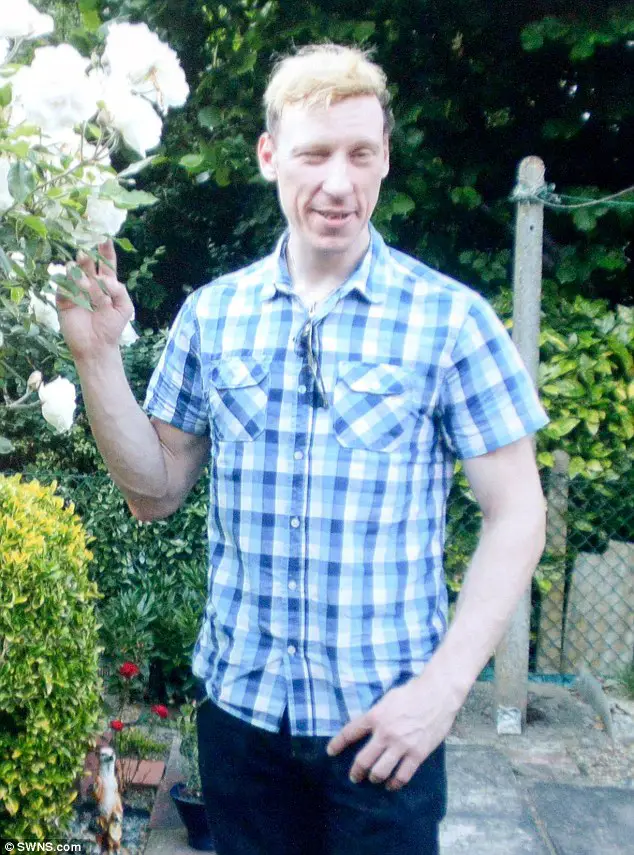
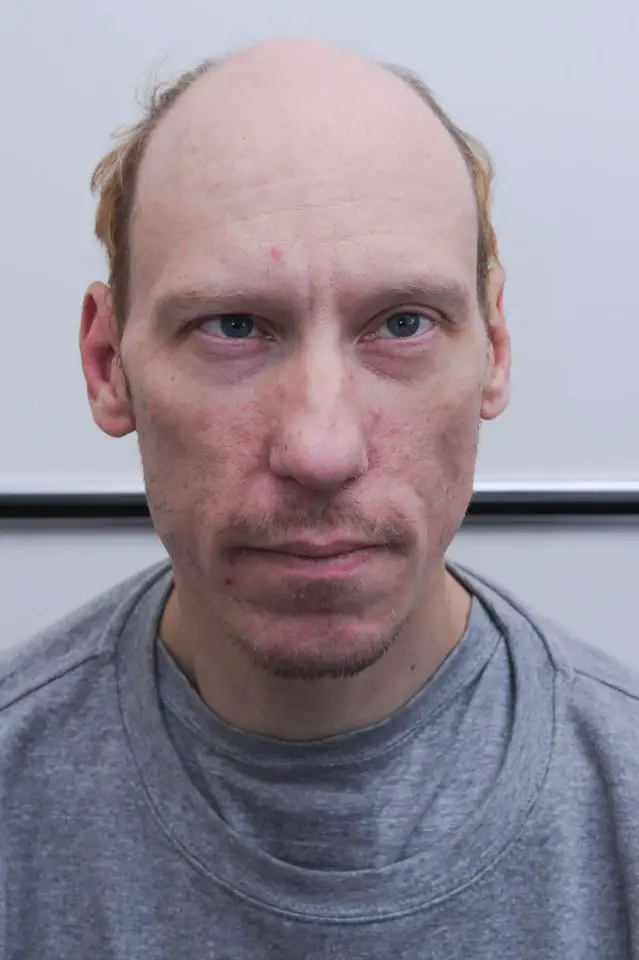
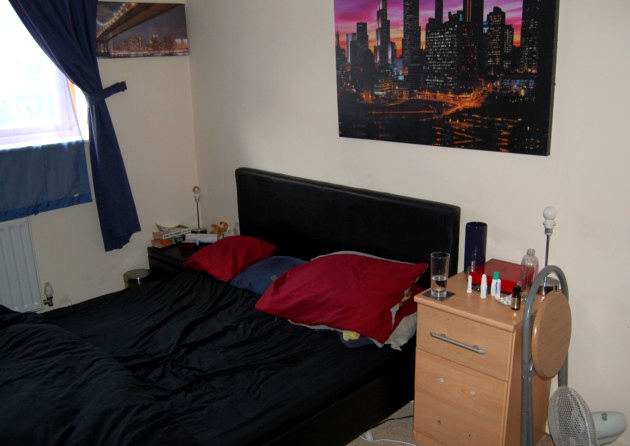
Stephen John Port was born in 1975 in Southend-on-Sea. He grew up in Dagenham and later worked as a chef at a bus depot in West Ham. Coming out as gay in the mid-2000s, he lived in a flat in Barking. His criminal behavior was driven by a deep-seated fetish for sexual intercourse with unconscious, boyish-looking men, which escalated from sexual assault to serial homicide.
2. Crime Spree
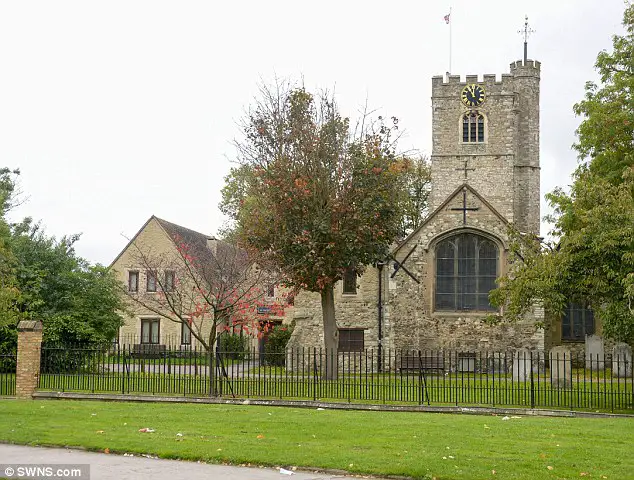
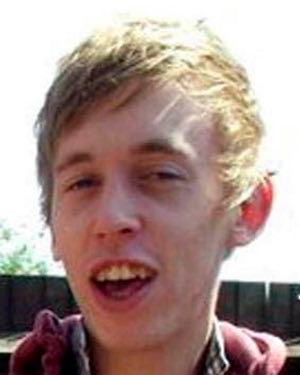
Between 2014 and 2015, Port targeted four men: Anthony Walgate, Gabriel Kovari, Daniel Whitworth, and Jack Taylor. He lured them via dating apps, drugged them with GHB, and sexually assaulted them. Four victims died from drug toxicity. Port attempted to stage the deaths as suicides, planting fake notes and disposing of bodies in a nearby churchyard.
3. Investigation and Arrest
The Metropolitan Police failed to link the deaths initially, treating them as isolated incidents. It was only after the persistent efforts of the victims' families that the cases were re-examined. Forensic evidence, including DNA on a bed sheet and handwriting analysis of a fake suicide note, eventually linked Port to the crimes.
4. Legal Proceedings and Outcome
Port was arrested on October 15, 2015. In November 2016, he was convicted of 22 offenses, including four counts of murder. Mr. Justice Openshaw sentenced him to a whole life order, ensuring he will never be released. The case remains a landmark in British criminal law due to the systemic failures in the initial police investigation.