





Forensic & Criminological Matrix
| Parameter | Forensic Detail |
|---|---|
| Forensic Heading / Aliases | N/A |
| Legal Identity | William Henry Furman |
| Confirmed Victims | 1 |
| Attributed / Indicted Victims | 1 |
| Active Timeline | 1967 |
| Jurisdiction / Area of Operations | Savannah, Georgia, USA |
| Criminological Classification | Accidental Homicide / Common Criminal |
| Forensic Modus Operandi | Home invasion with a firearm |
| Weapon / Mechanism of Death | Handgun (accidental discharge) |
| Motive / Behavioral Dynamics | Robbery |
| Judicial Outcome | Death sentence (commuted to life imprisonment following Supreme Court ruling) |
1. Background and Profile
William Henry Furman is a landmark figure in American jurisprudence. His criminal case, while involving a single act of robbery and homicide, became the vehicle for a fundamental re-evaluation of the death penalty under the Eighth Amendment of the U.S. Constitution.
2. Criminal Career and Modus Operandi
In 1967, Furman entered a private residence in Savannah, Georgia, with the intent to commit burglary. While fleeing the scene, his firearm discharged, killing the homeowner. Furman maintained that the discharge was accidental, a claim that became central to the legal debates surrounding his sentencing.
3. Investigation and Arrest
Law enforcement apprehended Furman shortly after the incident. The investigation focused on the circumstances of the shooting and the legal classification of the homicide, which was prosecuted as a capital offense under Georgia law at the time.
4. Legal Proceedings and Outcome
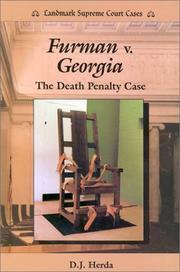
Furman was sentenced to death. The case reached the U.S. Supreme Court in 1972. In the landmark decision Furman v. Georgia, the Court ruled that the death penalty, as then administered, constituted 'cruel and unusual punishment' due to its arbitrary application. This ruling effectively invalidated existing death penalty statutes across the United States, leading to a nationwide moratorium on executions.
5. Forensic Psychiatric and Final Outcome
Following the Supreme Court's decision, Furman's death sentence was commuted to life imprisonment. He eventually served his sentence and was released, remaining a historical reference point for constitutional law and criminal justice reform.