



Forensic & Criminological Matrix
| Parameter | Forensic Detail |
|---|---|
| Forensic Heading / Aliases | N/A |
| Legal Identity | Jaylen Ray Fryberg |
| Confirmed Victims | 4 |
| Attributed / Indicted Victims | 5 |
| Active Timeline | October 24, 2014 |
| Jurisdiction / Area of Operations | Marysville, Washington, USA |
| Criminological Classification | Mass murderer (School shooter) |
| Forensic Modus Operandi | Methodical execution via firearm in a closed environment |
| Weapon / Mechanism of Death | .40-caliber Beretta handgun |
| Motive / Behavioral Dynamics | Interpersonal conflict and romantic rejection |
| Judicial Outcome | Perpetrator suicide; case closed |
1. Background and Profile
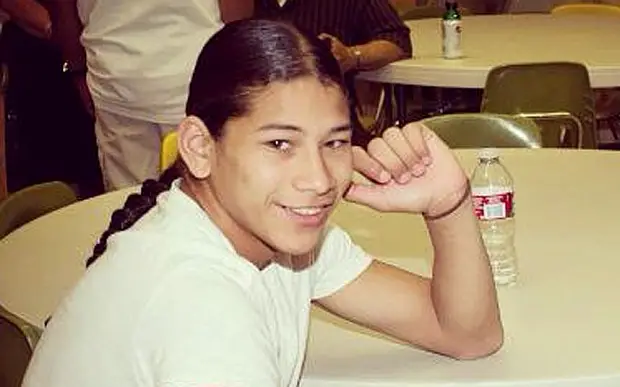
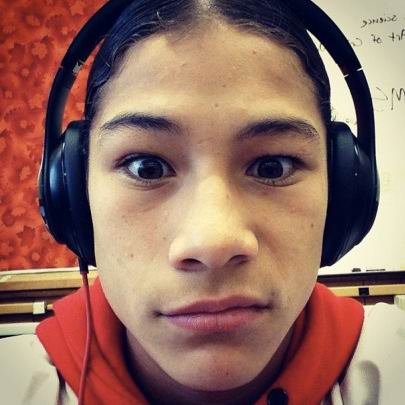
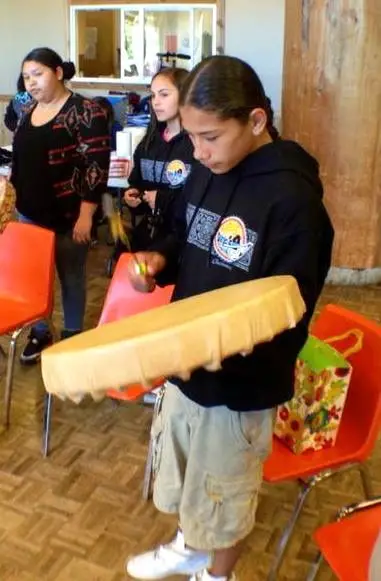
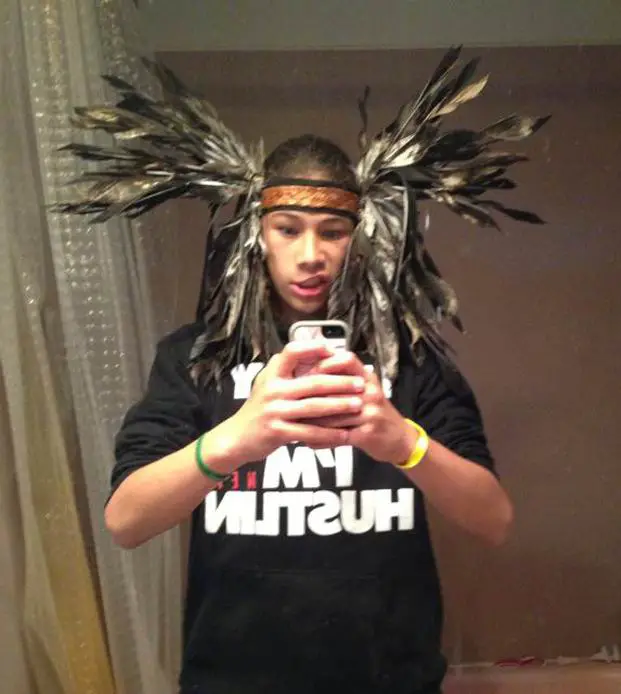
Jaylen Ray Fryberg was a 15-year-old freshman at Marysville Pilchuck High School. A member of the Tulalip tribe, he was active in sports, including wrestling and football. Forensic analysis of his digital footprint revealed that his emotional state deteriorated significantly in the week leading up to the shooting, influenced by a romantic breakup and a school fight that led to his suspension.
2. Crime Spree
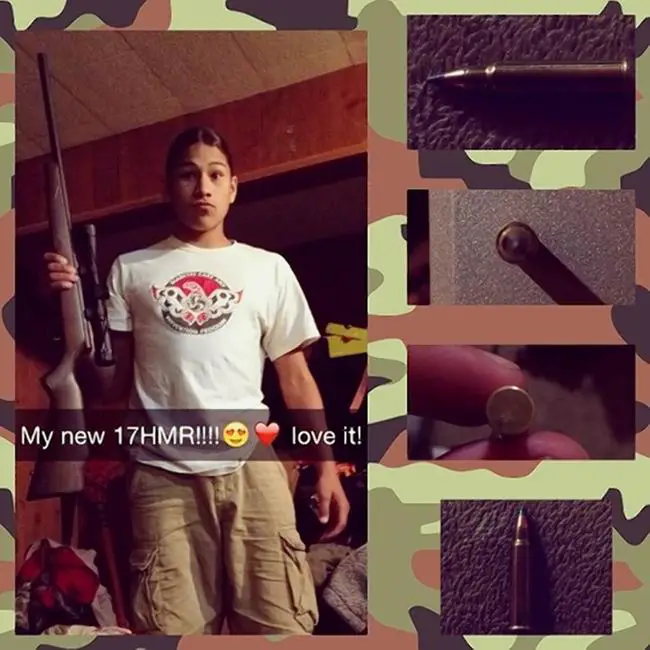
On October 24, 2014, Fryberg invited several friends to lunch via text message. Upon entering the cafeteria, he approached their table and opened fire with a .40-caliber Beretta handgun. Witnesses described his demeanor as "calm and methodical" as he targeted his friends, killing four and wounding one other before turning the weapon on himself.
3. Investigation and Arrest
Law enforcement response was rapid, with the school resource officer arriving within a minute of the first 911 call. The Snohomish County Multiple Agency Response Team conducted an extensive investigation, recovering digital evidence that proved the attack was premeditated. Fryberg had sent messages to relatives detailing his funeral plans shortly before the shooting.
4. Legal Proceedings and Outcome
As the perpetrator died at the scene, no criminal trial occurred for the shooting itself. However, the legal aftermath involved the prosecution of his father, Raymond Fryberg, who was convicted of illegally purchasing the firearm used in the massacre and sentenced to two years in federal prison.
5. Psychiatric Assessment and Conclusion
While no formal post-mortem psychiatric evaluation was conducted, the evidence points to a combination of adolescent crisis, social rejection, and access to lethal means. The tragedy remains a significant case study in school violence prevention and the impact of firearm accessibility on youth mental health crises.