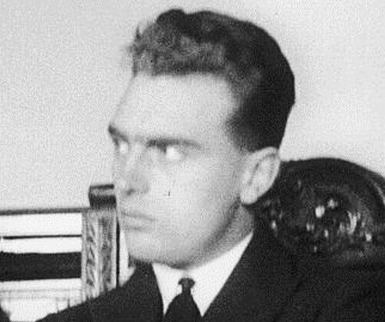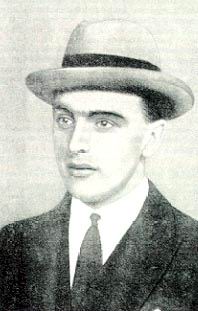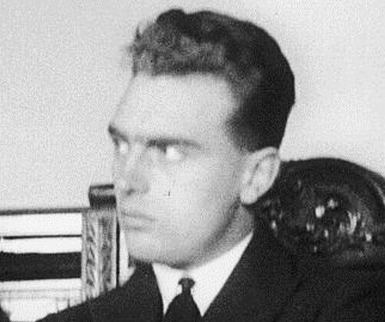




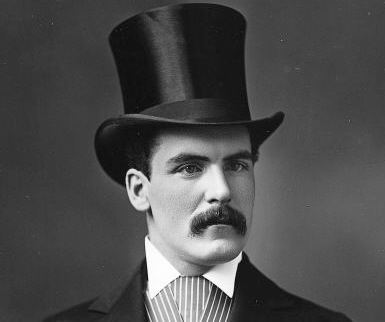
Forensic Profile Datasheet: Frederick Bywaters ("The Ilford Murder")
| Forensic Parameter | Evaluation Details |
|---|---|
| Full Legal Name | Frederick Edward Francis Bywaters |
| Celebrated Criminal Trial | The Thompson and Bywaters Case (The Ilford Slaying, 1922) |
| Date & Place of Birth | June 27, 1902 — London, England, United Kingdom |
| Date & Place of Execution | January 9, 1923 (aged 20) — HM Prison Pentonville, London |
| Method of Execution | Judicial hanging by Executioner Thomas Pierrepoint |
| Criminological Classification | Crime of passion by ambush / Spousal conspiracy homicide |
| Fatal Victim | Percy Thompson (aged 32; shipping clerk) |
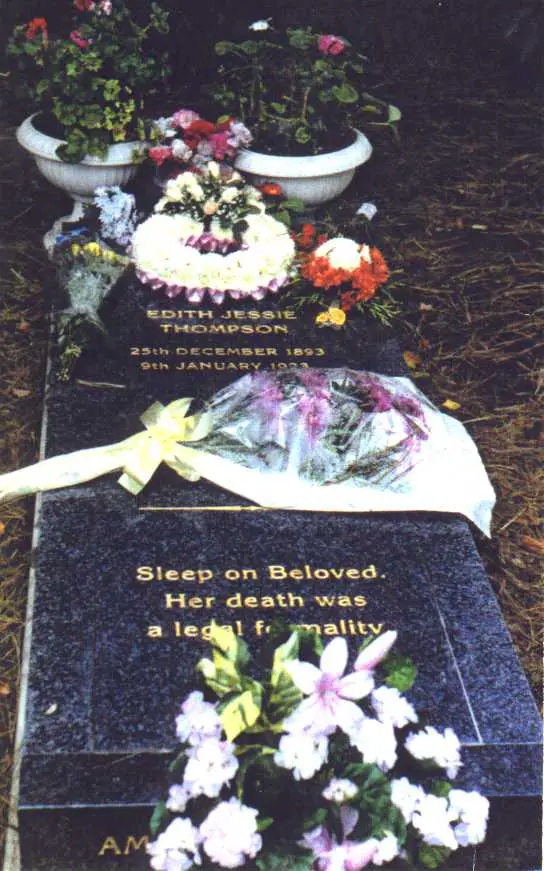
| Executed Co-defendant | Edith Jessie Thompson (aged 28; victim's wife and Bywaters's lover) |
| Date & Scene of the Murder | Night of October 3–4, 1922 — Belgrave Road, Ilford, Greater London |
| Weapon Deployed | Fixed-blade hunting sheath knife |
| Forensic Cause of Death | Massive acute hemorrhage resulting from severing of the carotid artery |
| Core Documentary Evidence | Cache of over sixty intimate handwritten letters authored by Edith Thompson |
Background, Maritime Career, and the Ilford Affair
Frederick Edward Francis Bywaters was born in London in 1902. Following his father's death in action during the First World War, Bywaters joined the British merchant service at age thirteen, serving as a ship's writer and purser steward aboard the Orient Line liners sailing between London and Sydney. Handsome, muscular, and hot-headed, he maintained an air of worldly adventure.
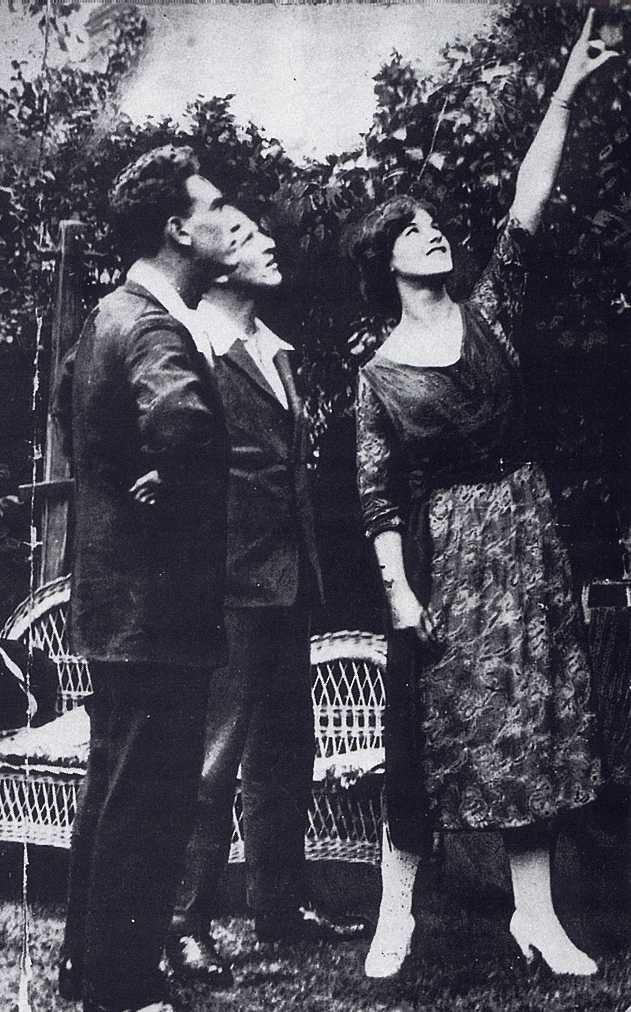
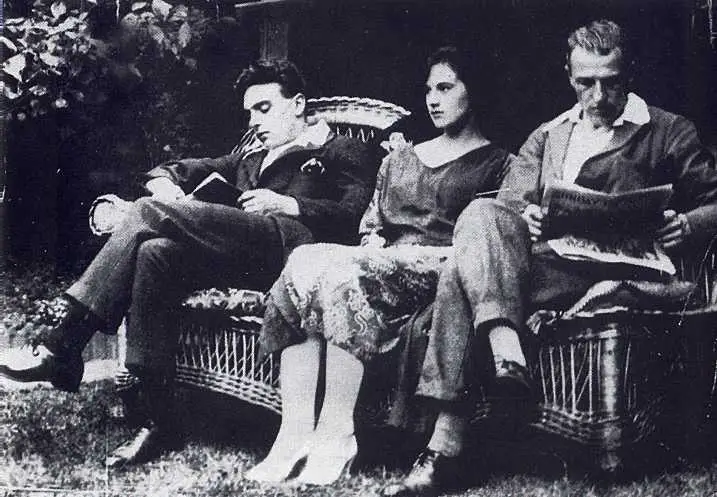
In 1920, Bywaters reconnected with family acquaintances Percy Thompson and his wife Edith Graydon Thompson, an attractive, stylish business manager at an Aldersgate wholesale millinery establishment. In summer 1921, Bywaters joined the Thompsons on holiday in the Isle of Wight, eventually taking lodgings in their home in Kensington Gardens, Ilford.
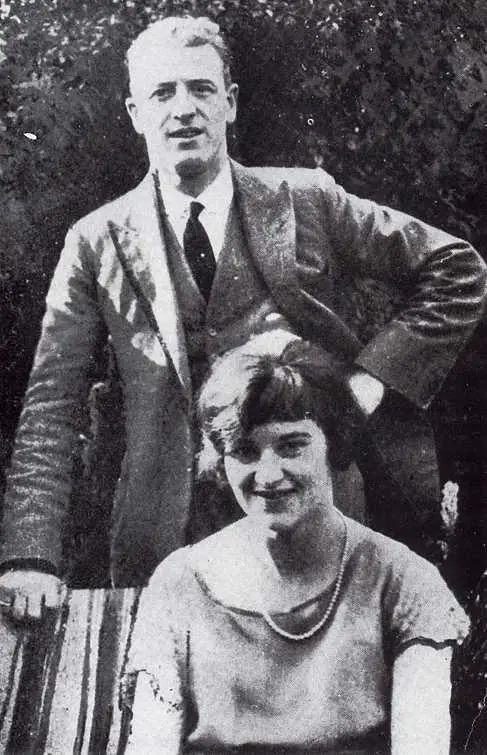
An obsessive romantic affair erupted between the 19-year-old seaman and 27-year-old Edith. When Percy discovered their intimacy following an altercation in which he physically assaulted Edith, Bywaters was evicted from the premises. During subsequent months at sea, Edith sent Bywaters an uninterrupted stream of passionately charged letters. In these pages, she described domestic misery and engaged in dark, melodramatic fantasies about poisoning Percy or slipping ground glass into his food so the lovers could unite.
The Belgrave Road Ambush (October 4, 1922)
Bywaters returned to port in London in late September 1922. On the evening of October 3, Percy and Edith attended a performance of The Dippers at the Criterion Theatre in the West End, catching the late suburban train back to Ilford.
Around 00:30 a.m. on October 4, as the Thompsons were walking home along tree-lined Belgrave Road, Bywaters stepped from the shadows. Confronting Percy, Bywaters demanded to know why he refused to grant Edith a divorce. When Thompson reacted angrily, Bywaters drew a sheath knife and launched a frenzied assault, stabbing Thompson repeatedly in the neck, throat, and upper torso. The blade severed Thompson's right carotid artery; he collapsed onto the pavement and bled to death within seconds.
Bywaters fled the scene, disposing of the knife in a roadside drainage sewer. Edith remained beside the body in shock, shouting for assistance and initially telling neighbors that an unknown ruffian had attacked her husband.
Scotland Yard Investigation and the Incriminating Letters
Ilford police and Scotland Yard detectives noted immediate inconsistencies in Edith's narrative. Relatives alerted investigators to Bywaters's presence in London and his open antagonism toward Percy.
On October 5, detectives arrested Bywaters at his mother's home. Searching his shipboard sea chest, police discovered a locked box holding over sixty letters from Edith Thompson. Passages in the correspondence appeared explicitly homicidal:
"Can't you think of some way to end it? I tried ground glass in his tea again, but it doesn't seem to hurt him... I want so desperately for us to be together."
Scotland Yard interpreted these sensational letters not as exaggerated romantic melodramas designed to keep her young lover enthralled, but as active premeditation and joint conspiracy to commit murder.
The Old Bailey Trial and Joint Convictions
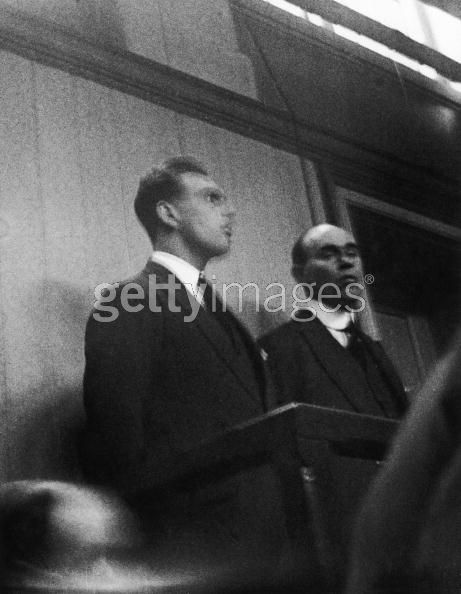
In December 1922, Bywaters and Edith Thompson were tried jointly at the Central Criminal Court (The Old Bailey) before Mr. Justice Shearman.
Bywaters took the stand and resolutely attempted to exonerate Edith, insisting he had acted alone in a sudden burst of temper:
"Mrs. Thompson had no knowledge of what I did. She never suggested violence. I acted on the spur of the moment, and she is wholly innocent."
However, Solicitor-General Sir Thomas Inskip placed the letters before the jury as fatal evidence of incitement and conspiracy. Victorian moral indignation dominated the courtroom; Edith was castigated as an unfaithful elder woman who had corrupted a young serviceman.
The jury returned guilty verdicts of capital murder against both defendants after two hours of deliberation.
Simultaneous Executions (January 9, 1923)
Despite a public petition garnering more than one million signatures seeking clemency for Edith Thompson on the grounds that no physical evidence placed her in complicity with the actual stabbing, the Home Office declined to intervene.
At 9:00 a.m. on January 9, 1923, Frederick Bywaters was executed by hanging at HM Prison Pentonville. At that exact moment, Edith Thompson was hanged at HM Prison Holloway in an ordeal that severely traumatized the prison staff and executioners, precipitating long-term debates over capital punishment jurisprudence in Great Britain.