Forensic & Criminological Matrix
| Parameter | Forensic Detail |
|---|---|
| Forensic Heading / Aliases | Rufus William Franklin |
| Legal Identity | Rufus William Franklin |
| Confirmed Victims | 1 |
| Attributed / Indicted Victims | 1 |
| Active Timeline | 1938 |
| Jurisdiction / Area of Operations | Alcatraz Federal Penitentiary, California |
| Criminological Classification | Murderer / Violent Offender |
| Forensic Modus Operandi | Use of a work tool (hammer) as a lethal weapon |
| Weapon / Mechanism of Death | Hammer |
| Motive / Behavioral Dynamics | Prison escape |
| Judicial Outcome | Life imprisonment |
1. Background and Profile
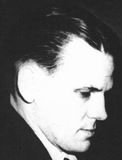
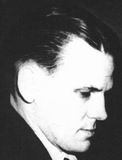
Rufus William Franklin (1916–1975) was an American criminal incarcerated at the Alcatraz Federal Penitentiary. Known as inmate #335-AZ, he was recognized for his violent tendencies and his involvement in high-stakes escape attempts within the federal prison system.
2. Criminal Career and Modus Operandi
On May 23, 1938, Franklin, alongside Thomas R. Limerick and James C. Lucas, initiated a breakout attempt from the prison's woodworking shop. During the violent confrontation with prison staff, Franklin utilized a hammer to fatally strike a correctional officer, marking the third documented escape attempt in the history of the facility.
3. Investigation and Arrest
The investigation was conducted by federal authorities within the prison. The recovery of the murder weapon and the immediate containment of the suspects provided sufficient forensic evidence to secure a conviction for the murder of the officer.
4. Legal Proceedings and Outcome
Franklin was tried and convicted for his role in the murder. He received a life sentence, ensuring he remained in custody for the duration of his life. His case remains a significant chapter in the history of Alcatraz security protocols.
5. Psychiatric Assessment and Conclusion
Franklin died in 1975. His criminal trajectory is defined by his inability to conform to institutional rules and his resort to lethal violence as a means of achieving freedom.