




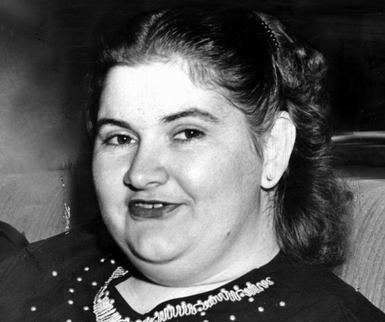
Forensic & Criminological Matrix
| Parameter | Forensic Detail |
|---|---|
| Forensic Heading / Aliases | Helen Ray Fowler |
| Legal Identity | Helen Ray Fowler |
| Confirmed Victims | 1 (George William Fowler) |
| Active Timeline | October 30, 1943 |
| Jurisdiction / Area of Operations | Niagara Falls, New York, United States |
| Criminological Classification | Felony Murder / Accomplice to Homicide |
| Forensic Modus Operandi | Domestic confrontation followed by accomplice-inflicted blunt force trauma and subsequent disposal of the body in a trunk into the Niagara River. |
| Weapon / Mechanism of Death | Heavy ceramic vase / Severe cranial trauma |
| Motive / Behavioral Dynamics | Escalated domestic dispute and robbery/opportunistic violence following a tavern brawl. |
| Judicial Outcome | Sentenced to death by the Niagara County Court on February 19, 1944; executed via the electric chair at Sing Sing Prison on November 16, 1944. |
1. Background and Psychopathy
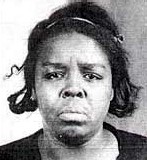
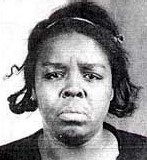
Helen Ray Fowler was born in 1907. A mother of five, she resided on Memorial Parkway in Niagara Falls, upstate New York, operating a boarding house alongside her domestic duties to make ends meet. Standing 5'7" and weighing approximately 227 pounds according to prison records, Fowler secured a tragic footnote in American legal history as the sole African American female executed in the State of New York during the 20th century.
2. Crime Spree
In the summer of 1943, Fowler rented a room to George Knight, a 27-year-old prone to heavy drinking and violent outbursts. On the night of October 30, 1943, a tavern dispute spilled onto the streets. George William Fowler, a 63-year-old gas station proprietor from nearby Ransomville who was unrelated to Helen, witnessed the altercation and followed Helen back to her Memorial Parkway residence.
Once inside, a fresh altercation erupted, leaving the victim subdued on the floor. George Knight immediately intervened by shattering a heavy ceramic vase over the victim's head, inflicting a fatal skull fracture. Realizing the implications of a corpse in the house, Fowler and Knight placed the body inside a trunk, transported it to the North Grand Island Bridge, and dropped it into the Niagara River.
3. Investigation and Forensic Pursuit
The body eventually washed ashore, shocking the quiet community of Ransomville. Local sheriff investigators swiftly connected the homicide to Fowler's household. Under interrogation, both suspects confessed to disposing of the body, though material evidence pointed to Knight as the primary executor of the lethal blow.
4. Trial and Judicial Proceedings
The trial commenced during the week of February 12, 1944, at the Niagara County Court in Lockport. Judge William Munson instructed the jury regarding New York State's felony murder statute, affirming that an accomplice could be convicted of first-degree murder even if they did not deliver the fatal strike. Marking a historic shift, the jury included women for the first time in the county's history. After a five-day trial, both defendants were found guilty of first-degree murder.
On February 19, 1944, Judge Munson sentenced both Fowler and Knight to death in the electric chair. Defense motions for a retrial were summarily denied, and on February 21, the convicts were transferred to Death Row at Sing Sing Prison.
5. Psychiatric Evaluation and Execution
Following two temporary stays of execution, the date was finalized for November 16, 1944. Hours before her appointment with the electric chair, Fowler submitted a final plea for clemency to Lieutenant Governor Hanley, in which she accused her own daughter of plotting against her.
With no executive reprieve forthcoming, Fowler was led into the Sing Sing death chamber. At 11:04 p.m. on November 16, 1944, the lethal current was applied, and she was pronounced dead at 11:17 p.m., sealing her grim and solitary status in 20th-century New York judicial history.