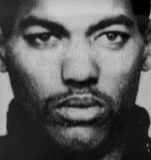
Forensic & Criminological Matrix
| Parameter | Forensic Detail |
|---|---|
| Forensic Heading / Aliases | None |
| Legal Identity | Albert Foulcher |
| Confirmed Victims | 0 (Criminal action extinguished by death) |
| Attributed / Indicted Victims | 5 |
| Active Timeline | 1993 - 2001 |
| Jurisdiction / Area of Operations | Narbonne and Béziers, France |
| Criminological Classification | Mass Murderer |
| Forensic Modus Operandi | Targeted executions and ambushes on law enforcement |
| Weapon / Mechanism of Death | Dan Wesson revolver and automatic weapons |
| Motive / Behavioral Dynamics | Personal revenge and financial disputes |
| Judicial Outcome | Case closed due to suspect's suicide |
1. Background and Profile
Albert Foulcher was a former insurance agent with a known obsession for firearms. Following the failure of his business, he harbored deep-seated resentment toward those he perceived as his enemies. His behavior was characterized by calculated aggression and a refusal to accept legal authority.
2. Criminal Career and Modus Operandi
Foulcher's criminal trajectory began in 1993 with the murder of André Meffray. After fleeing his trial, he resurfaced in January 2001, killing four individuals in a single day near Narbonne: Pascal Herrero, two police officers, and Maurice Michaud. His method involved precise, lethal force, often utilizing high-caliber handguns.
3. Investigation and Arrest
Following the 2001 killings, Foulcher became France's most wanted fugitive. A massive manhunt involving the RAID tactical unit tracked him to an apartment in Béziers. The standoff lasted eight hours, during which Foulcher fired upon officers.
4. Legal Proceedings and Outcome
Upon storming the apartment, police discovered that Foulcher had committed suicide. Because he died before he could be brought to justice for the 2001 crimes, he remains legally innocent of those specific charges, though forensic evidence linked him to the weapons used in his crimes.