



Forensic & Criminological Matrix
| Parameter | Forensic Detail |
|---|---|
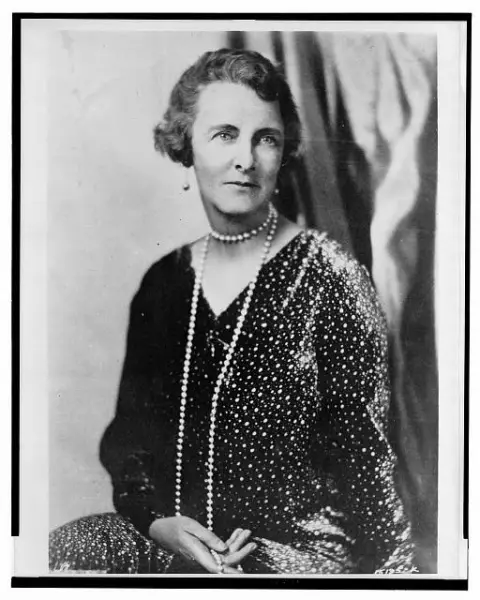
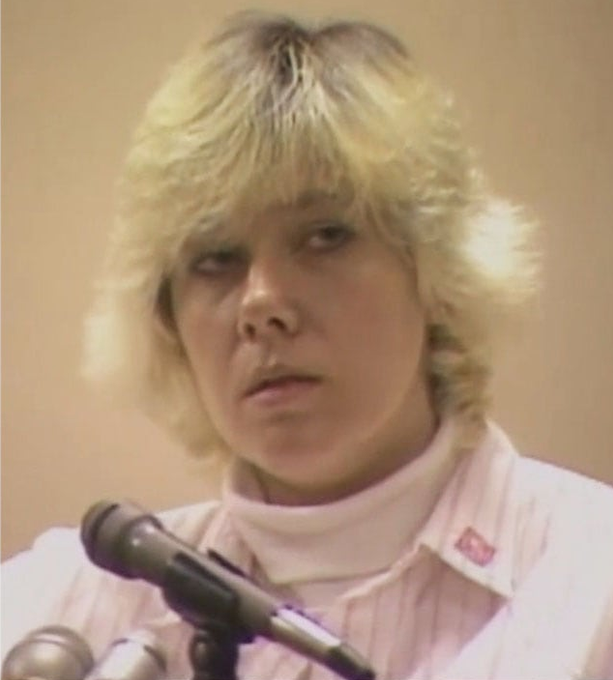
| Forensic Heading / Aliases | Grace Fortescue, Grace Hubbard Bell |
| Legal Identity | Grace Hubbard Bell (married Fortescue) |
| Confirmed Victims | 1 (Joseph Kahahawai) |
| Active Timeline | January 8, 1932 |
| Jurisdiction / Area of Operations | Honolulu, Territory of Hawaii, USA |
| Criminological Classification | Vigilante homicide / Accomplice-assisted conspiracy |
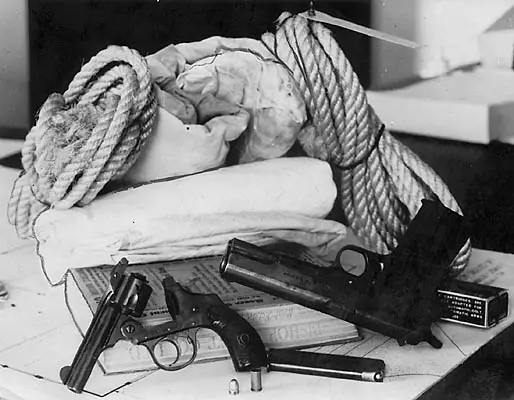
| Forensic Modus Operandi | Coordinated abduction, physical interrogation under torture, execution by firearm, and transportation of the body in a rental vehicle |
| Weapon / Mechanism of Death | Firearm (pistol) / Asphyxia and ballistic trauma |
| Motive / Behavioral Dynamics | Retaliation for family honor, racial prejudice, and self-administered justice |
| Judicial Outcome | Convicted of manslaughter and sentenced to 10 years in prison on May 3, 1932; sentence commuted to one hour in the territorial governor's office under intense political pressure |
1. Background and Profile
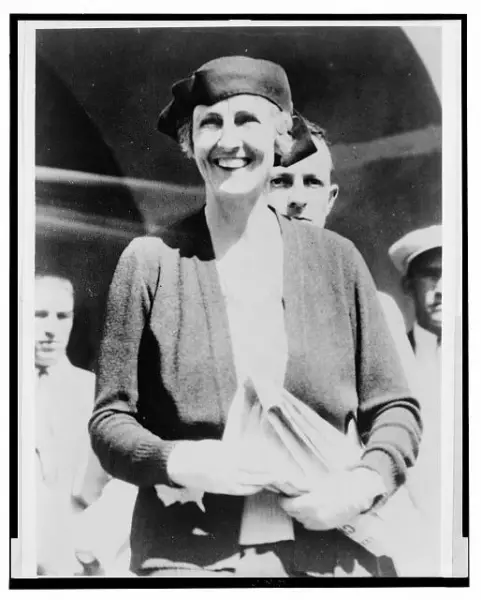
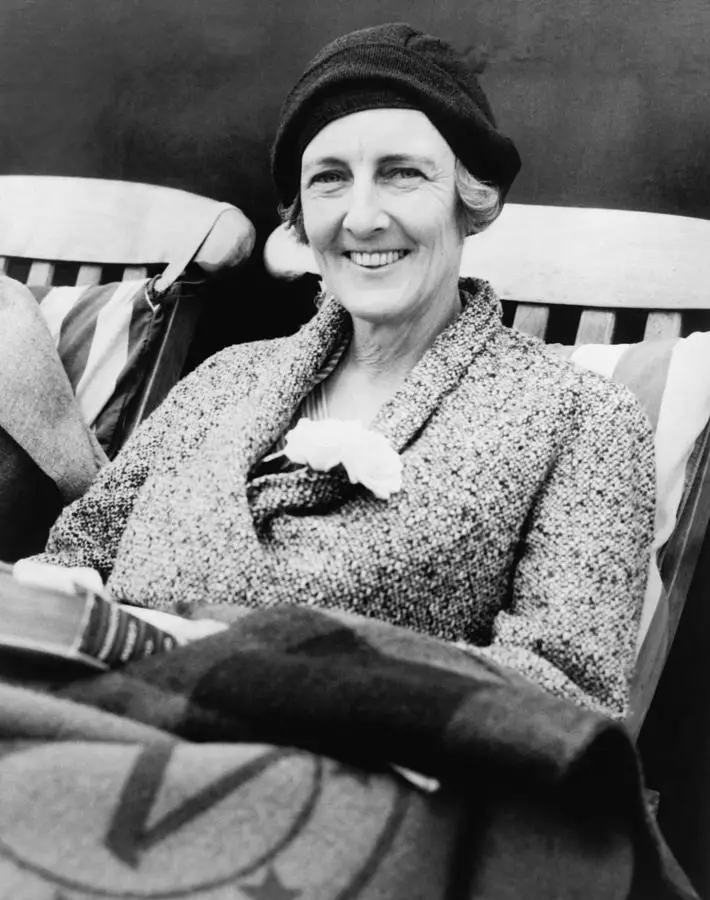
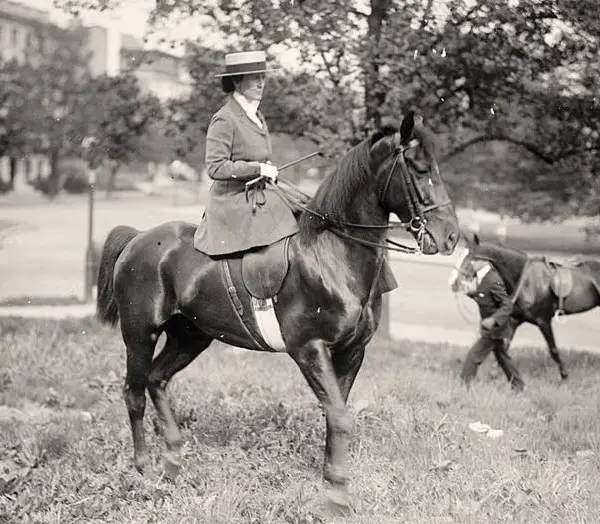
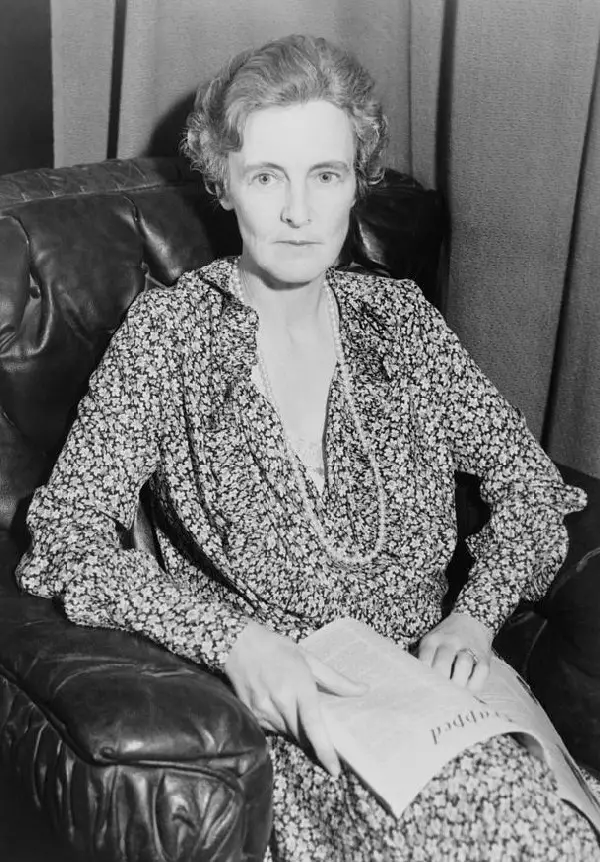
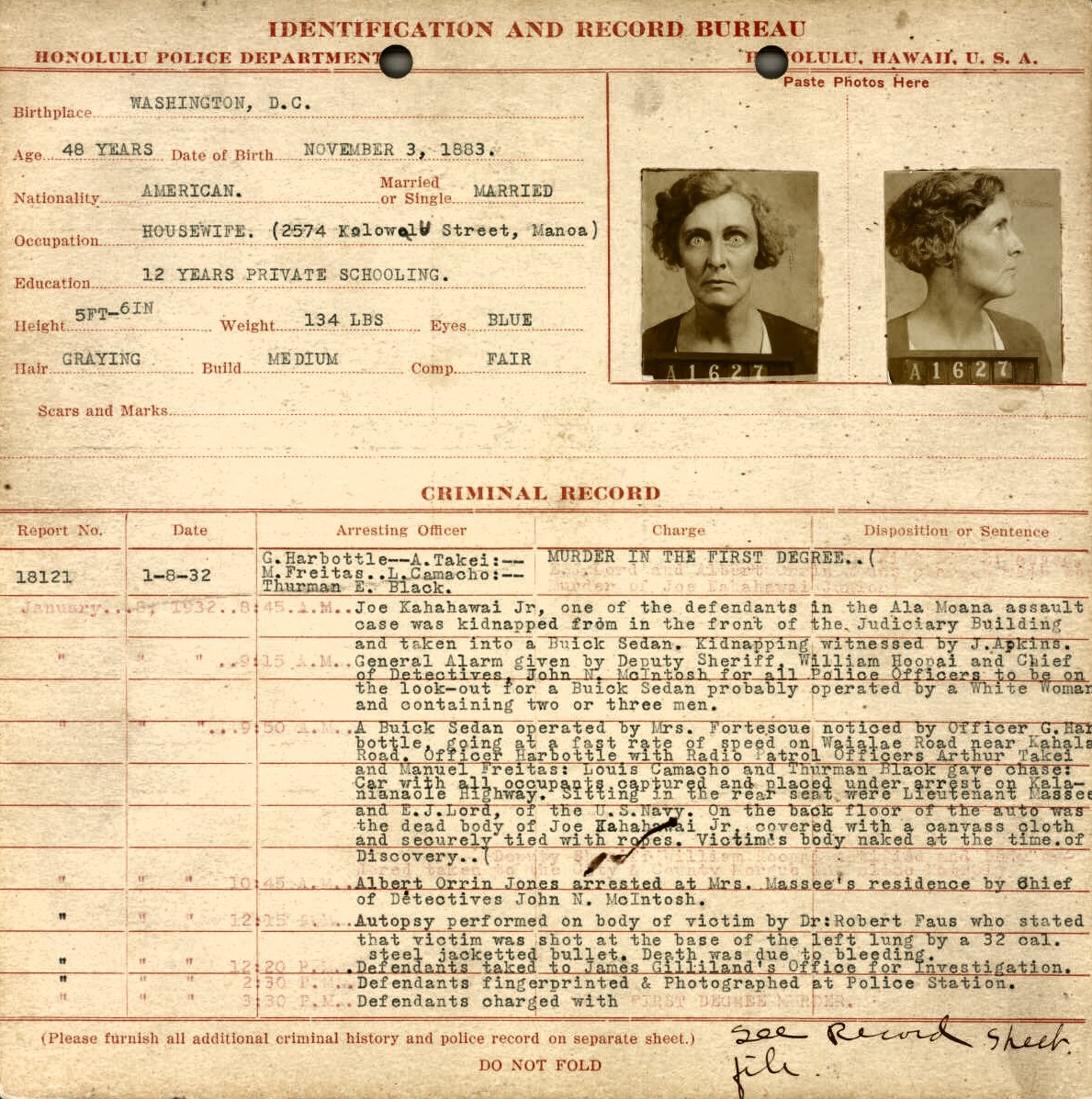
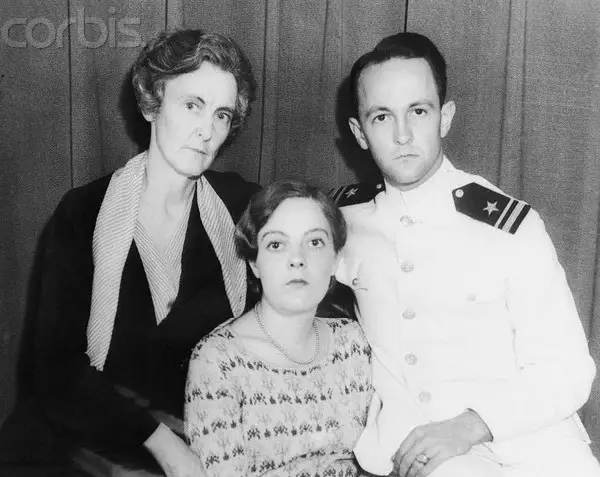
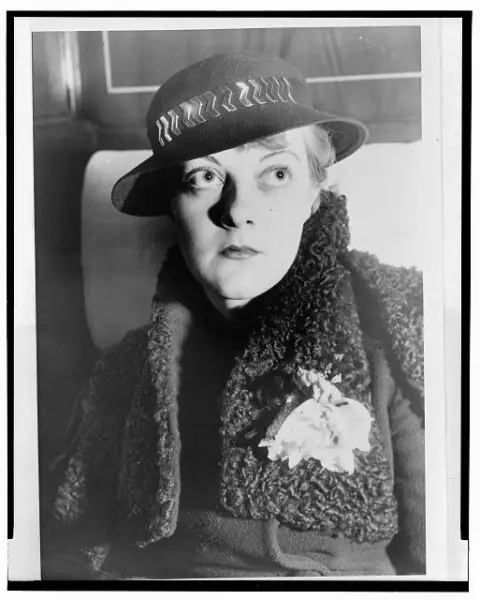
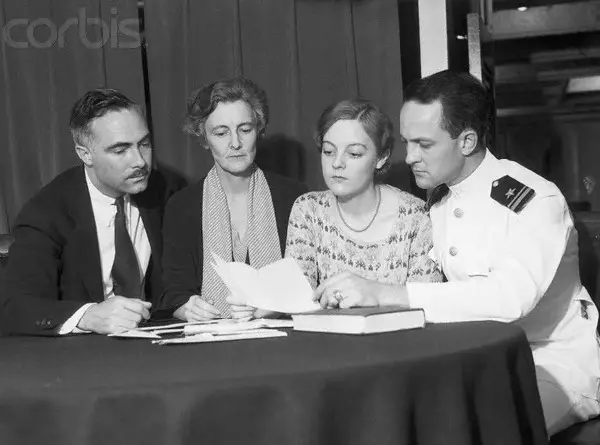
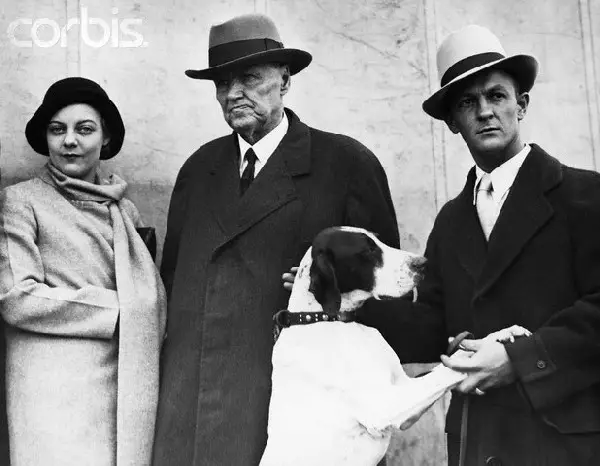
Grace Hubbard Bell was born on November 3, 1883, in Washington D.C., into an elite American family. Her paternal grandfather, Gardiner Greene Hubbard, was the first president of the Bell Telephone Company and the National Geographic Society, and she was related to inventor Alexander Graham Bell. She married U.S. Army Major Granville "Rolly" Fortescue, son of Robert Barnwell Roosevelt and first cousin of President Theodore Roosevelt. The couple had three daughters, including Thalia Fortescue, who married U.S. Navy Lieutenant Thomas Massie. Although maintaining an outward veneer of wealthy country gentry, the family struggled financially following Granville's retirement. This fostered in Grace an intense obsession with maintaining social hierarchy, status, and class superiority.
2. Crime Spree and Modus Operandi
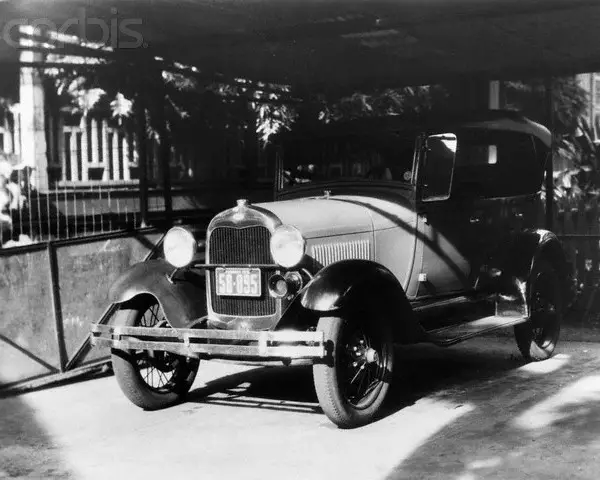
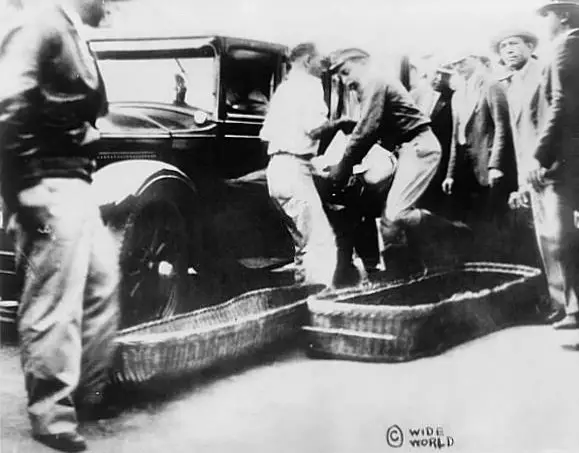
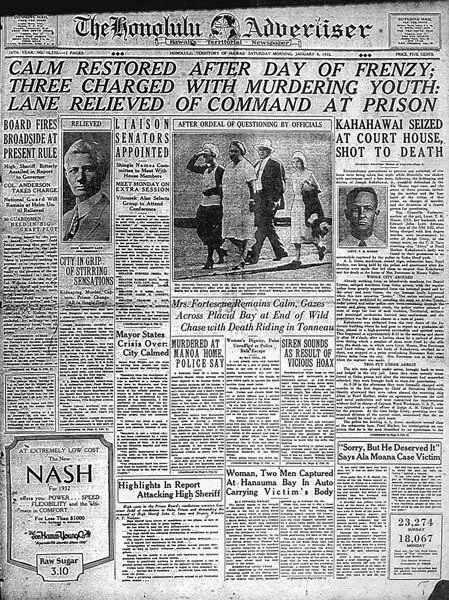
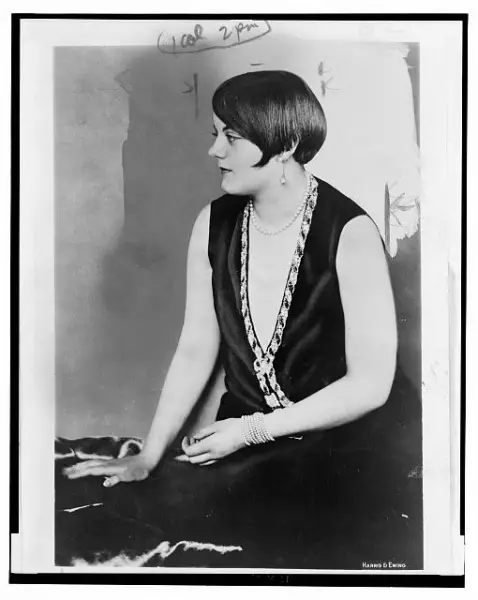
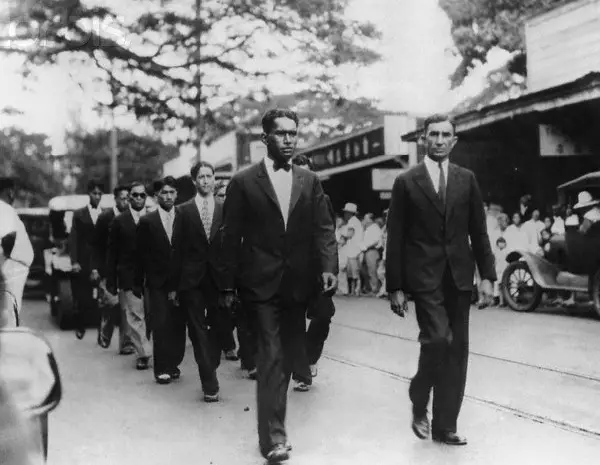
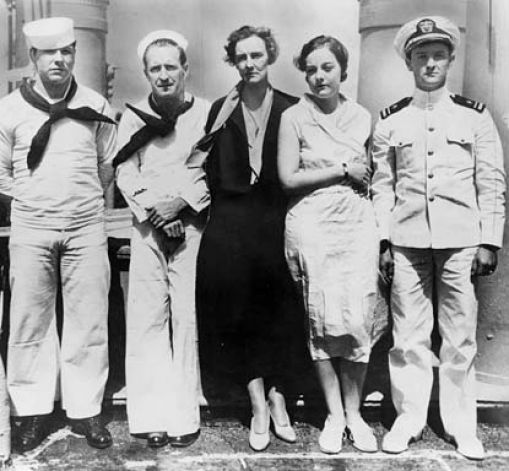
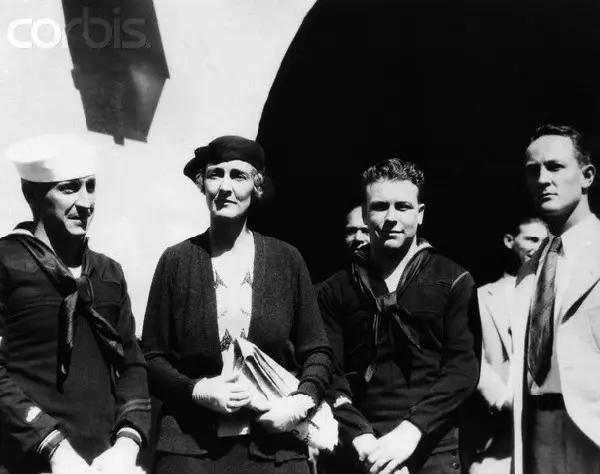
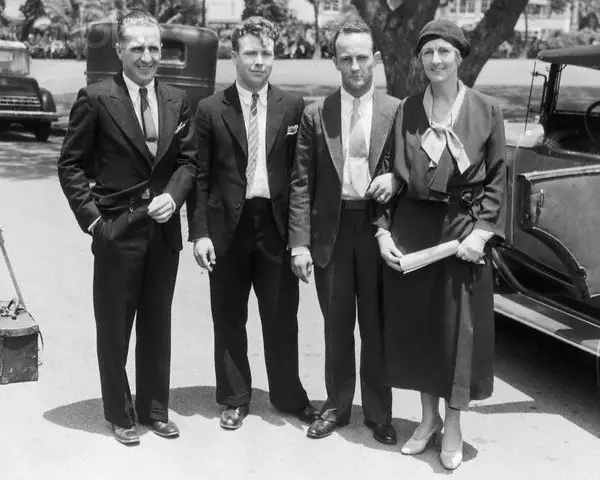
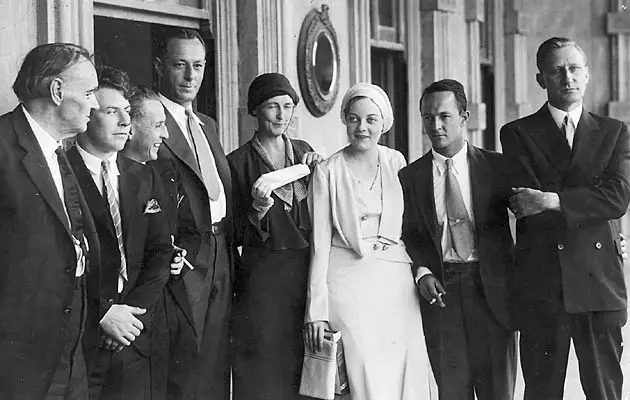
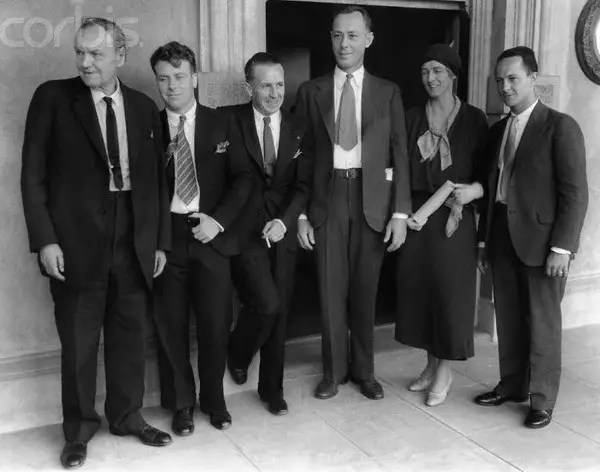
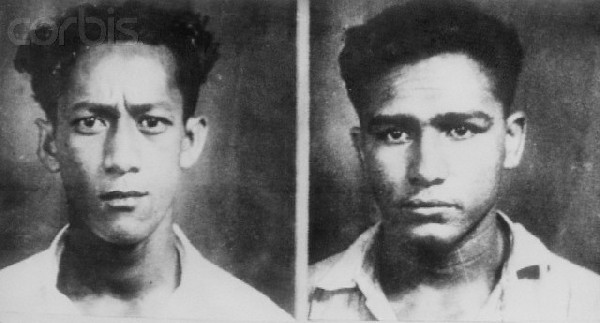
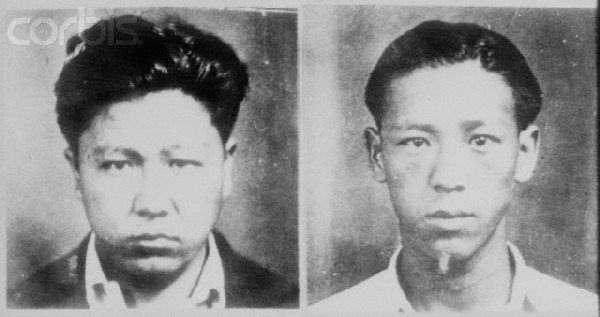
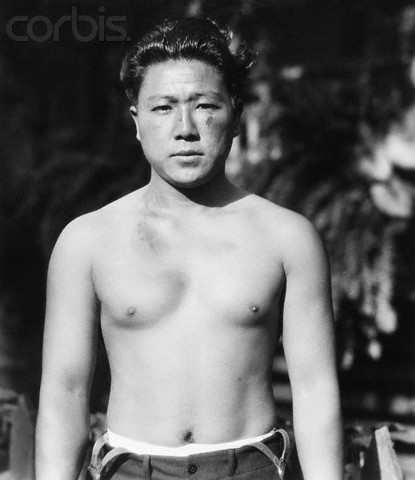
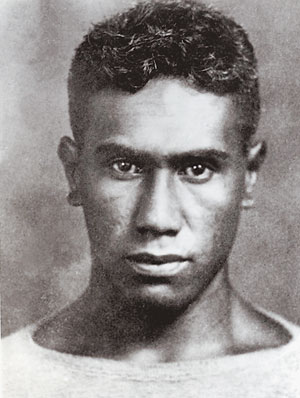
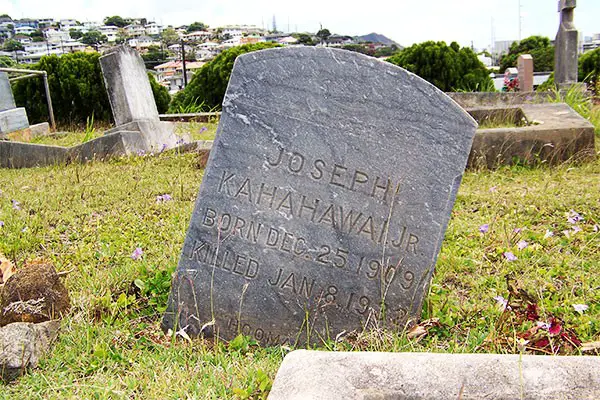
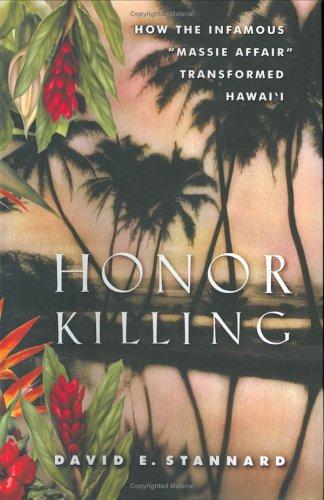
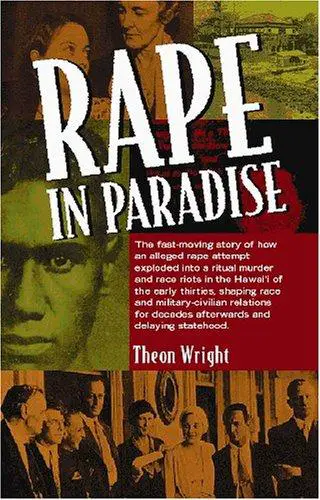
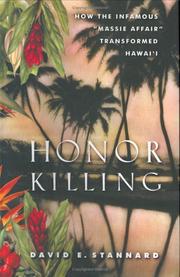
The catalyst for the crime was the notorious "Massie Affair" (1931-1932), in which Thalia Massie alleged she was raped by a group of local Hawaiian men in Honolulu. After a mistrial due to a deadlocked jury, an enraged Grace Fortescue took the law into her own hands. She orchestrated the abduction of Joseph Kahahawai, one of the defendants, enlisting her son-in-law Thomas Massie and two Navy enlisted men, Edward J. Lord and Albert O. Jones. On January 8, 1932, the group abducted Kahahawai, subjected him to a violent interrogation to extract a confession, and ultimately shot him dead. They wrapped his body in a sheet and loaded it into Fortescue's rental car to dump it in a desolate area near Koko Head.
3. Investigation and Arrest
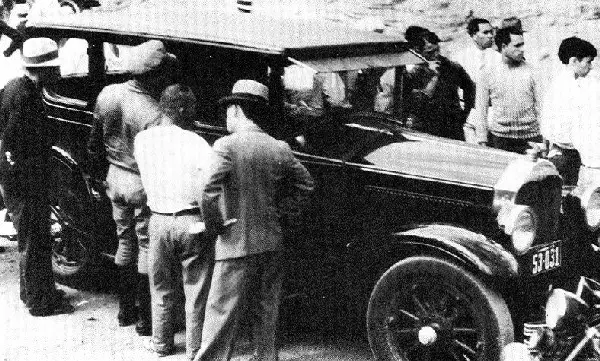
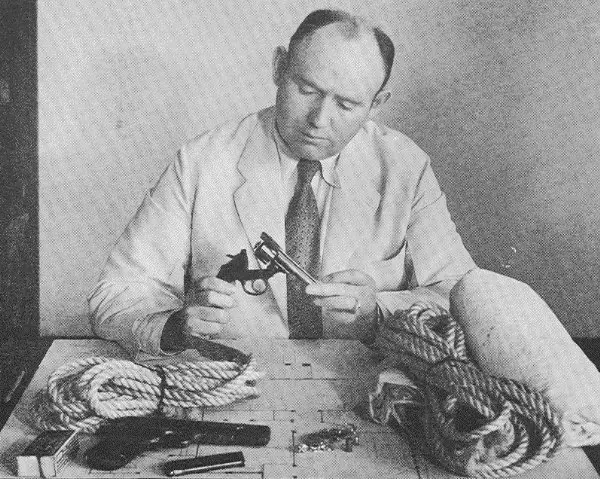
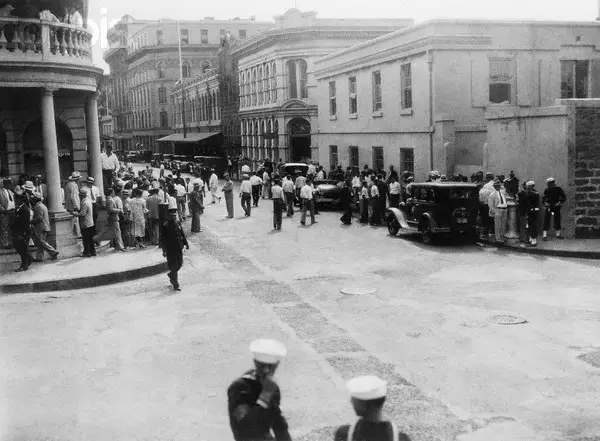
The perpetrators' escape was cut short when a Honolulu police motorcyclist, acting on an alert, spotted the rental car with its window blinds suspiciously drawn down. Upon stopping the vehicle, officers immediately discovered Kahahawai's corpse. Physical evidence, ballistic findings, and flagrante delicto apprehension shattered any potential cover-up, exposing a high-profile conspiracy involving upper-class mainland elites and senior U.S. Navy officers.
4. Legal Proceedings and Outcome
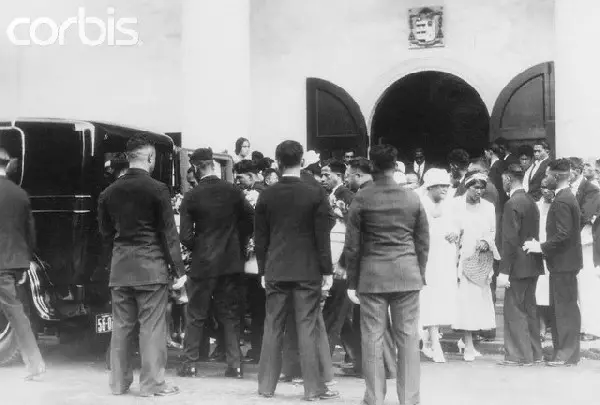
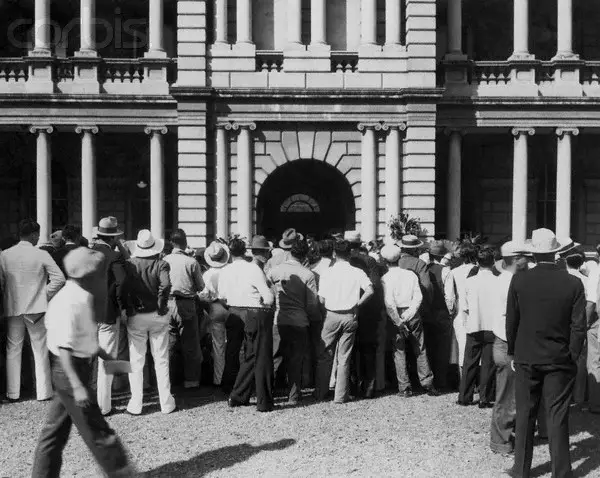
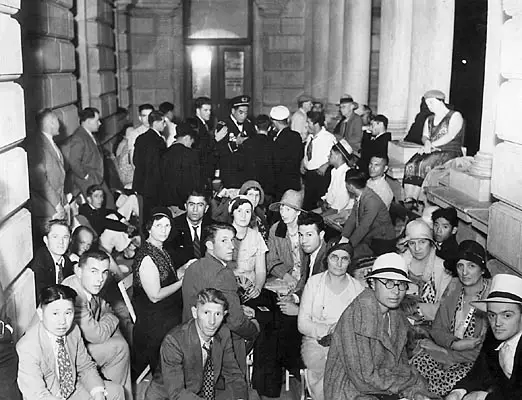
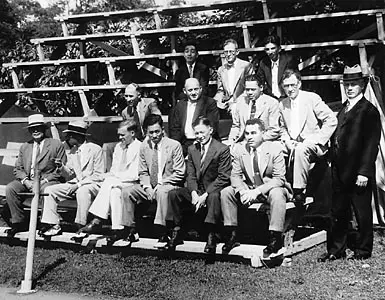
Grace Fortescue, Thomas Massie, Edward J. Lord, and Albert O. Jones were arrested on January 8, 1932, and charged with murder. The trial captured intense national attention, exposing stark racial and social divides between mainland U.S. press coverage—which often sensationalized the narrative around racial prejudice and white womanhood—and the local population of Hawaii. Defended by renowned attorney Clarence Darrow, the defendants went to trial. On May 3, 1932, a jury found Fortescue and her accomplices guilty of manslaughter, sentencing them to 10 years in prison.
5. Psychiatric Assessment and Outcome
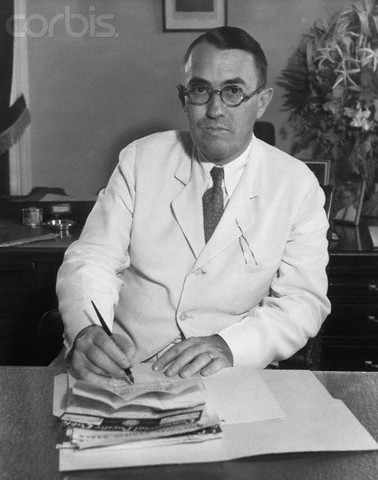
Criminologically, Grace Fortescue's behavior displays traits of entitlement, class narcissism, and unyielding vengeance when faced with perceived institutional failure or loss of social dominance. Bowing to intense pressure from the U.S. Navy and fearing civil unrest, Territorial Governor Lawrence M. Judd intervened politically, commuting the ten-year sentence to a symbolic one hour served inside the governor's executive chambers before releasing the group. Fortescue thus evaded meaningful incarceration, underscoring the deep racial and colonial power asymmetries of 1930s Hawaii.