



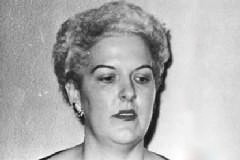
Forensic & Criminological Matrix
| Parameter | Forensic Detail |
|---|---|
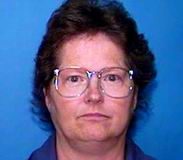
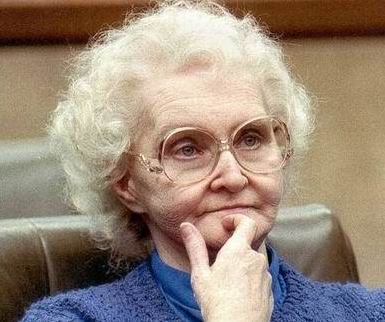
| Forensic Heading / Aliases | Priscilla Ford / Thanksgiving Day Massacre |
| Legal Identity | Priscilla Joyce Ford |
| Confirmed Victims | 6 dead, 23 severely injured |
| Active Timeline | November 27, 1980 |
| Jurisdiction / Area of Operations | Reno, Washoe County, Nevada, USA |
| Criminological Classification | Mass murderer / Severe psychotic offender |
| Forensic Modus Operandi | Intentional mass vehicular ramming using a heavy-duty 1974 Lincoln Continental driven directly onto crowded pedestrian sidewalks. |
| Weapon / Mechanism of Death | Motor vehicle used as a kinetic homicide weapon |
| Motive / Behavioral Dynamics | Persecutory delusions, paranoid schizophrenia, severe psychotic decompensation, and displaced grievance over child custody loss. |
| Judicial Outcome | Sentenced to death on April 29, 1982; died of natural causes (emphysema) on death row on January 29, 2005. |
1. Background and Psychopathy
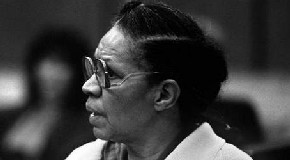
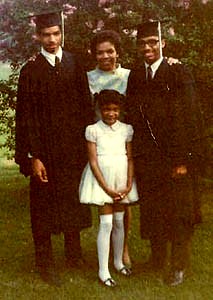
Priscilla Joyce Ford was born on February 10, 1929, in Berrien Springs, Michigan. Despite overcoming racial and educational barriers in her youth—becoming a respected elementary school teacher and earning a bachelor's degree in education in 1966—her mental stability deteriorated significantly in the early 1970s. Family members and acquaintances documented escalating behavioral anomalies, including grandiose delusions, visual and auditory hallucinations, and substance abuse. Repeatedly evaluated by psychiatric institutions and diagnosed with conditions ranging from passive-aggressive personality disorder to paranoid schizophrenia, Ford's psychological decline intensified after Nevada social services removed her young daughter, Wynter Scott, and placed her in foster care following a 1973 trespassing arrest.
2. Crime Spree
On November 27, 1980, Thanksgiving Day, Ford perpetrated one of the most devastating vehicular homicide sprees in Nevada history. Operating a heavy 1974 Lincoln Continental, she drove onto the crowded sidewalk along South Virginia Street in downtown Reno's casino district. Purposely targeting pedestrians and holiday shoppers, she plowed down the sidewalk for five city blocks. Forensic reconstruction confirmed six fatalities—three adult females and three adult males—alongside twenty-three severe injuries, with some victims dragged beneath the vehicle's chassis. Ford was apprehended immediately at the scene by law enforcement officers.
3. Crime Scene Investigation and Forensic Pursuit
Law enforcement response was instantaneous due to the overt nature of the crime within a bustling commercial district. Investigators gathered conclusive physical evidence, including tire marks on pedestrian walkways, biological traces, and multiple eyewitness accounts establishing that the driver made no attempt to brake or swerve, instead accelerating directly toward pedestrians. During post-arrest interrogations, Ford exhibited profound affective detachment, describing her victims as "beasts and pigs." Subsequent investigations revealed that months prior, she had issued explicit threats in Maine and Nevada, warning that the citizens of Reno would «pay in death» for the loss of her daughter.
4. Arrest and Judicial Proceedings
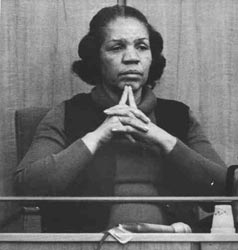
Ford's trial spanned nearly six months, setting a record as the longest murder trial in Nevada history at the time. The defense pursued an insanity plea, arguing that Ford lacked the capacity to comprehend the human nature of her victims. However, the trial took a dramatic turn when Ford insisted on testifying against the advice of her counsel, who condemned her statements as «public suicide.» On the witness stand, Ford declared herself to be in a «heavenly state,» claimed to be the reincarnation of Jesus Christ, and displayed total emotional flatness when confronted with crime scene photographs of the deceased. On March 19, 1982, a jury convicted her of six counts of murder and twenty-three counts of attempted murder. On April 29, 1982, she was formally sentenced to death.
5. Psychiatric Evaluation and Resolution
For over two decades, medical and legal experts debated Ford's legal sanity and the viability of her execution. While defense experts maintained she suffered from incapacitating paranoid schizophrenia, prosecutors argued successfully that her violent outburst was driven by deliberate malice and awareness of wrongdoing. Ford exhausted numerous state and federal appeals over the years. Her physical health deteriorated due to heavy cigarette smoking and chronic emphysema. Priscilla Ford died on January 29, 2005, at the age of 75 at the Southern Nevada Women's Correctional Center in Las Vegas, avoiding execution and dying behind bars amidst her unyielding psychotic delusions.