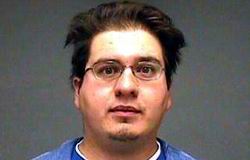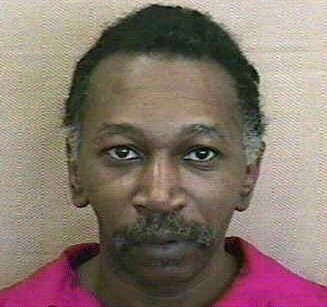
Forensic & Criminological Matrix
| Parameter | Forensic Detail |
|---|---|
| Forensic Heading / Aliases | N/A |
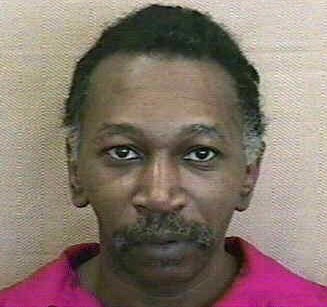
| Legal Identity | Wendell Flowers |
| Confirmed Victims | 2 |
| Attributed / Indicted Victims | 2 |
| Active Timeline | 1981 - 1989 |
| Jurisdiction / Area of Operations | North Carolina, USA |
| Criminological Classification | Multiple murderer (prison homicide) |
| Forensic Modus Operandi | Blunt force trauma and stabbing |
| Weapon / Mechanism of Death | Beating and improvised blade |
| Motive / Behavioral Dynamics | Interpersonal violence and criminal conflict |
| Judicial Outcome | Life imprisonment (death sentence commuted) |
1. Background and Profile
Wendell Flowers is an American offender from Alexander County, North Carolina. His criminal history is marked by extreme violence, leading to multiple murder convictions. His behavioral dynamics suggest a persistent pattern of lethal aggression that continued even after his initial incarceration.
2. Crime Spree
Flowers' first major crime occurred in 1981, involving the fatal beating of Thomas Greer in Wilkesboro. While serving a life sentence for this crime at the Piedmont Correctional Institution, he murdered fellow inmate Rufus Watson in May 1989 by stabbing him. This second act resulted in a 1994 conviction in Rowan County.
3. Investigation and Arrest
The investigation into the death of Rufus Watson was conducted by Rowan County authorities. The case was meticulously documented, with official witnesses including District Attorney William D. Kenerly and various law enforcement officials. The forensic evidence confirmed Flowers' role in the prison homicide.
4. Legal Proceedings and Outcome
Flowers faced multiple trials in North Carolina courts. Despite being sentenced to death for the prison murder, his sentence was eventually commuted. He remains incarcerated, having avoided the scheduled execution in 1998 at Central Prison in Raleigh.
5. Psychiatric Assessment and Conclusion
Flowers remains in the North Carolina Department of Correction system. His public statements regarding the commutation of his death sentence reflect a complex interaction with the judicial system, though he remains a high-risk inmate due to his history of violence.