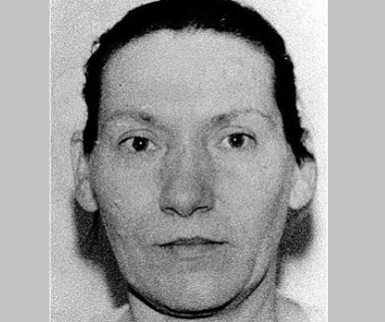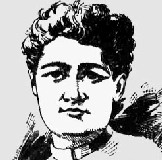




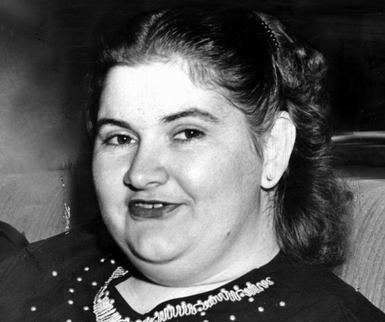
Forensic & Criminological Matrix
| Parameter | Forensic Detail |
|---|---|
| Forensic Heading / Aliases | Lavinia Fisher / Convicted Highway Robber |
| Legal Identity | Lavinia Fisher |
| Confirmed Victims | 0 (Convicted of highway robbery, not murder) |
| Active Timeline | 1818 - 1819 |
| Jurisdiction / Area of Operations | Charleston, South Carolina, USA |
| Criminological Classification | Member of a highway robbery gang (popularly mythologized as serial killer) |
| Forensic Modus Operandi | Targeted highway robbery, coercion and armed assault on travelers at a rural wayfarer house |
| Weapon / Mechanism of Death | Physical violence, strangulation, and gang weaponry |
| Motive / Behavioral Dynamics | Financial gain through organized highway banditry |
| Judicial Outcome | Sentenced to death by hanging, executed on February 18, 1820 |
--:
1. Background and Psychopathy
Lavinia Fisher (born c. 1793) holds a prominent place in American criminal folklore, frequently and inaccurately cited by popular culture as the first female serial killer in the United States. Alongside her husband John Fisher, she operated the Six Mile Wayfarer House, an inn located six miles north of Charleston, South Carolina. While 19th-century urban legends propagated gruesome tales of trapdoor beds, spike-filled pits, and poisoned tea, official judicial and historical records confirm that the Fishers were part of an organized ring of highwaymen operating in the rural backcountry of Charleston.
2. Crime Spree
In the late 1810s, the Fishers' inn and the nearby Five Mile House served as hideouts for outlaws. The documented modus operandi involved surveying wealthy travelers stopping for lodging, interrogating them about their financial means, and executing robberies through coordinated gang violence. The sensationalist myths alleging systematic murders of guests via collapsing beds and poison lack contemporary forensic backing and were heavily exaggerated by tour guides and yellow journalism decades after their execution.
3. Crime Scrutiny and Forensic Hunt
The gang's downfall began in February 1819 when a local vigilante group targeted the area to curb highway crimes. After the main group withdrew, a young man named David Ross was attacked, choked, and thrown through a window by gang members, among whom he identified Lavinia Fisher. Shortly thereafter, another traveler, John Peeples, stopped for lodging; sensing danger due to an intense interrogation by Lavinia regarding his wealth, Peeples slept in a wooden chair by the door, awoke to the sound of a collapsing bed, and escaped to alert authorities. These two concrete testimonies provided law enforcement with the evidence needed to dismantle the operation.
4. Arrest and Judicial Proceedings
Law enforcement raided the inn, apprehending Lavinia and John Fisher alongside two co-conspirators. John surrendered to protect his wife from potential gunfire. During the 1819 trial, both pleaded not guilty to highway robbery—a capital offense at the time. Although convicted and sentenced to hanging, their defense secured appeals and stays of execution. While housed together in the Charleston jail, they attempted a daring escape using braided prison linens on September 13; the rope broke, trapping Lavinia while John escaped briefly before being recaptured and placed under maximum security.
5. Psychiatric Evaluation and Outcome
The constitutional court rejected their final appeals, and both were ordered to hang on February 18, 1820. Awaiting execution, John accepted ministerial counsel and addressed the crowd, proclaiming his innocence of any bloodshed while asking for understanding. Lavinia remained defiant to the end. Wearing a white wedding dress to the gallows—hoping unsuccessfully to invoke an obsolete legal loophole sparing married women or to find a husband among the spectators—she hurled final defiant words to the crowd before jumping from the scaffolding, sealing her fate in American criminal history.