


Forensic & Criminological Matrix
| Parameter | Forensic Detail |
|---|---|
| Forensic Heading / Aliases | N/A |
| Legal Identity | Cesar Roberto Fierro |
| Confirmed Victims | 1 |
| Attributed / Indicted Victims | 1 |
| Active Timeline | 1979 |
| Jurisdiction / Area of Operations | El Paso, Texas |
| Criminological Classification | Robbery-homicide offender |
| Forensic Modus Operandi | Public transport hijacking, execution by firearm, and body disposal |
| Weapon / Mechanism of Death | Firearm (gunshot wound to the head) |
| Motive / Behavioral Dynamics | Financial gain (robbery) |
| Judicial Outcome | Death sentence (1980), later released after extensive appeals |
1. Background and Profile
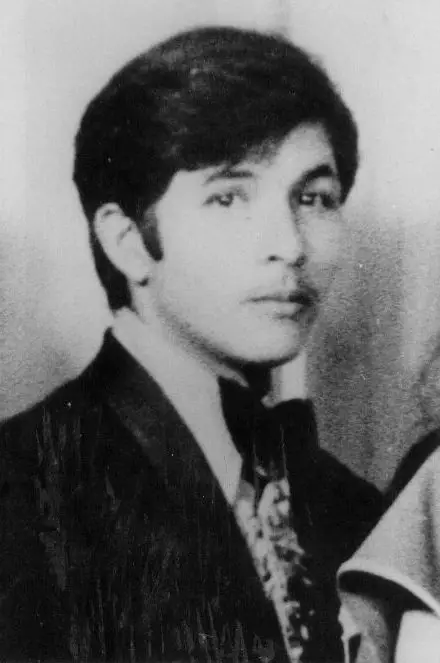
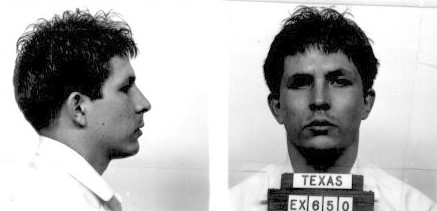
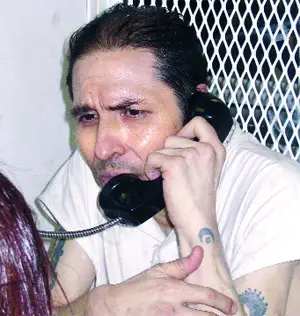
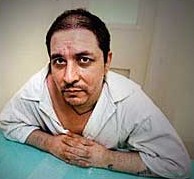
Cesar Roberto Fierro (born 1956) became the subject of a significant legal controversy in the Texas criminal justice system. His criminal history is defined by his involvement in a violent robbery-homicide that led to a death sentence and a prolonged legal struggle regarding due process and the admissibility of his confession.
2. Criminal Career and Modus Operandi
On February 27, 1979, Fierro and his accomplice, 16-year-old Geraldo Olague, hailed a taxi driven by Nicolas Castanon. Upon reaching a specific location, Fierro shot Castanon in the back of the head. The perpetrators then moved the body to Modesto Gomez Park, where they shot the victim again and robbed him of his personal effects, including a wallet, watch, and jacket, before abandoning the vehicle in Juarez, Mexico.
3. Investigation and Arrest
The case was broken when Olague contacted El Paso police in July 1979. Authorities coordinated with Mexican police to locate Fierro. Fierro later claimed his confession was coerced through threats against his mother, but state and federal courts consistently upheld the validity of the confession and the conviction.
4. Legal Proceedings and Outcome
Fierro was sentenced to death in 1980. His appeals focused on the voluntariness of his confession and the jury's consideration of mitigating evidence. Despite multiple federal habeas corpus petitions, the courts affirmed the conviction. After decades of imprisonment, Fierro was eventually released, marking the end of a long-standing legal saga.
5. Forensic Conclusion
The case of Cesar Roberto Fierro remains a notable example of the complexities within the Texas capital sentencing scheme and the long-term legal challenges faced by death row inmates.