Forensic & Criminological Matrix
| Parameter | Forensic Detail |
|---|---|
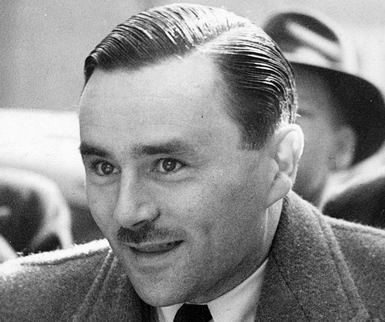
| Forensic Heading / Aliases | Frederick Field |
| Legal Identity | Frederick Herbert Charles Field |
| Confirmed Victims | 2 |
| Attributed / Indicted Victims | 2 |
| Active Timeline | 1936 |
| Jurisdiction / Area of Operations | London, United Kingdom |
| Criminological Classification | Serial Killer (impulsive) |
| Forensic Modus Operandi | Strangulation and physical violence |
| Weapon / Mechanism of Death | Physical force / Strangulation |
| Motive / Behavioral Dynamics | Pathological impulse to kill |
| Judicial Outcome | Executed in 1936 |
1. Background and Profile
Frederick Herbert Charles Field was a British national whose criminal career ended in capital punishment. A former military deserter, his psychological profile was marked by severe emotional detachment and a propensity for gratuitous violence. There were no prior connections to his victims, categorizing his acts as random homicides driven by an uncontrollable urge to kill.
2. Crime Spree
Field utilized brute physical force to commit his crimes. His modus operandi involved targeting vulnerable victims, whom he assaulted without provocation. In his judicial statements, Field explicitly admitted: "I had not seen the woman before in my life, and had not the least ill intentions toward her. I just murdered her because I wanted to murder someone."
3. Investigation and Arrest
London authorities conducted the investigation following the discovery of the victims. The lack of a clear motive initially hindered the identification of the perpetrator, but Field's own confession and forensic evidence collected at the crime scenes directly linked him to the murders.
4. Legal Proceedings and Outcome
Following his arrest, Field was tried in London. The evidence presented, combined with his confession, led to a conviction for murder. The judicial process was swift, reflecting the severity of the crimes and the danger posed by the subject.
5. Psychiatric Evaluation and Conclusion
The forensic evaluation of the time highlighted Field's extreme danger. He was sentenced to death and executed in 1936, concluding a case marked by senseless brutality.